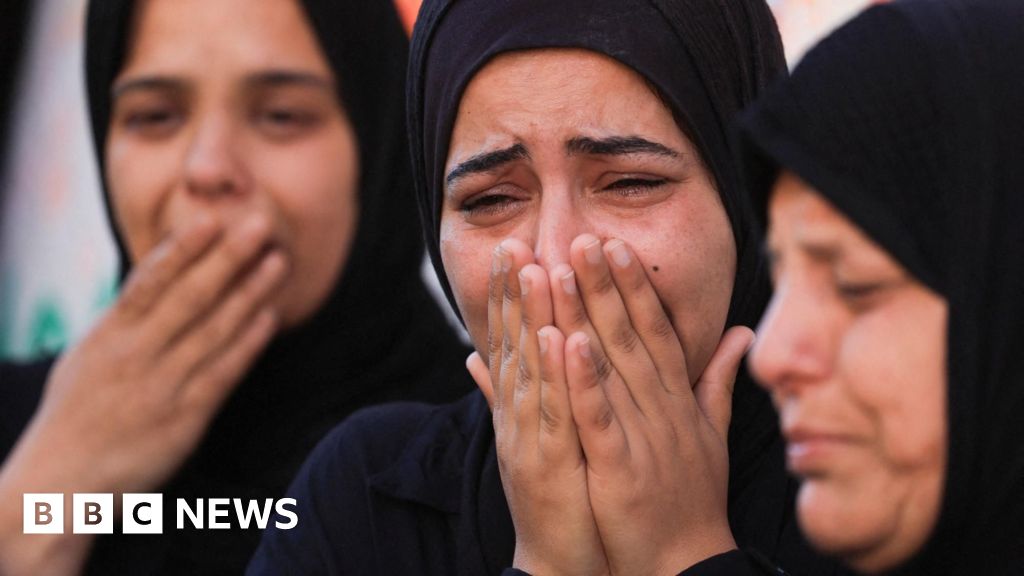
At least eight Palestinians, including three children, were killed in two Israeli strikes in Gaza, with five deaths reported near Beit Lahia and another three in central Maghazi. The article highlights a fragile ceasefire, with 792 Palestinians killed and 2,200 injured since it took effect last October, while Israel says four soldiers have been killed over the same period. The escalation underscores continued ceasefire risk and keeps geopolitical tensions in the region elevated.
The market implication is not the direct geopolitical headline; it is the deterioration in ceasefire credibility. Once a truce starts generating a steady cadence of fatalities, the base case shifts from a dormant conflict to a stop-start escalation regime, which is materially more inflationary for regional risk premia and more damaging for EM asset flows than a clean relapse to full-scale war. That tends to widen CDS, pressure local currency funding, and keep defense/logistics names bid on every renewed headline cycle.
The second-order risk is operational rather than purely military: recurring incidents near control lines raise the probability of miscalculation around checkpoints, aid corridors, and infrastructure nodes. That creates a tailwind for defense contractors, surveillance, drones, secure communications, and hardening capex, while being a headwind for reconstruction-dependent contractors and regional carriers that need stable airspace and port throughput. The longer this persists, the more investors will discount any near-term rebuilding narrative in Gaza and adjacent border economies.
Consensus may be underestimating how quickly this bleeds into broader Middle East risk pricing even without a formal ceasefire collapse. Energy is the obvious reflex trade, but the more durable read-through is higher volatility across EM sovereign debt, weaker local bank balance sheets exposed to damaged collateral and payment disruption, and persistent pressure on humanitarian logistics providers. If the pattern continues for weeks rather than days, markets should start pricing a higher probability of episodic escalation rather than a one-time breach, which typically keeps risk assets capped.
The contrarian point is that the headline intensity can create overshoots in defensive names if the situation remains contained geographically. If the military responses stay localized and do not pull in regional actors, the largest dislocation may be in sentiment rather than fundamentals, making short-dated protection more attractive than outright directional equity shorts. The key catalyst to watch is not the number of incidents, but whether they begin affecting shipping lanes, border crossings, or aid infrastructure over the next 2-6 weeks.
AI-powered research, real-time alerts, and portfolio analytics for institutional investors.
Request TrialOverall Sentiment
extremely negative
Sentiment Score
-0.90
