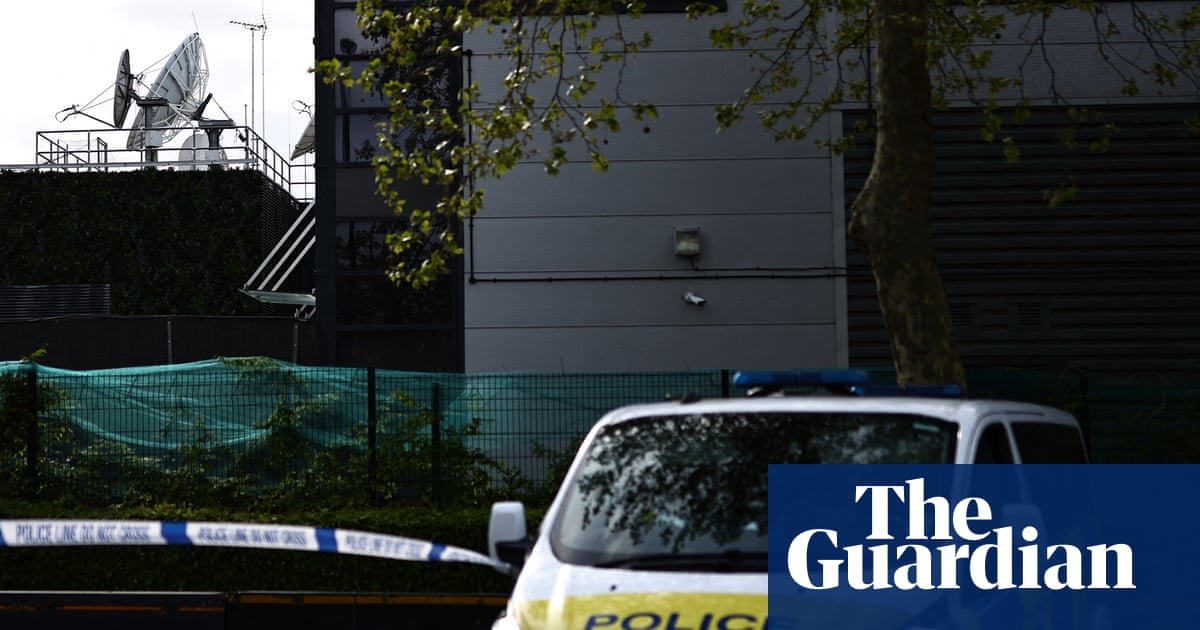
Counter-terrorism police are investigating three arson incidents in London, including an attack outside Iran International’s Wembley offices, an attempted firebombing of Finchley Reform Synagogue, and an earlier attack on four Jewish charity ambulances. Multiple suspects have been arrested, with authorities saying the cases remain open and it is too early to confirm motives, though investigators are examining possible links to hostile state activity. The incidents heighten geopolitical and security concerns in the UK, especially around Iranian dissident and Jewish targets.
The market implication is less about the individual arson events and more about the probability of a broader foreign-hostile-state campaign on UK soil. If investigators elevate this from isolated criminality to state-linked proxy activity, the second-order effect is a step-up in protective spending by media, synagogue, logistics, and critical-infrastructure operators across the UK and Europe, with the highest near-term beneficiaries being firms that sell physical security, surveillance, secure transport, and background-checking services.
The more important channel is political and regulatory, not direct physical damage: a credible Iran attribution would harden UK sanctions posture, raise compliance costs for banks and brokers with Middle East exposure, and increase the cost of doing business for broadcasters and nonprofits with dissident or Jewish affiliations. That creates a lagged but persistent drag on regional sentiment, especially for London-based media and civic institutions that may need to spend more on security while facing insurance premium repricing over the next 1-3 renewal cycles.
The consensus may underprice how quickly these incidents can widen into a repeated-pattern risk premium. Once investigators start linking low-level criminal proxies to state sponsors, the playbook becomes copycat-prone and forces police, insurers, and private employers to assume a higher baseline threat level for months, not days. The main reversal would be a clean attribution failure or credible evidence that the events are unrelated opportunistic crimes, which would compress the security-premium trade and remove urgency from policy response.
From a contrarian standpoint, the bear case is not that this is immediately a market-wide geopolitics shock; it is that the direct economic damage is limited while the response is real. That argues for trading the second-order beneficiaries rather than trying to short broad UK risk assets on headline risk alone.
AI-powered research, real-time alerts, and portfolio analytics for institutional investors.
Request DemoOverall Sentiment
moderately negative
Sentiment Score
-0.45
