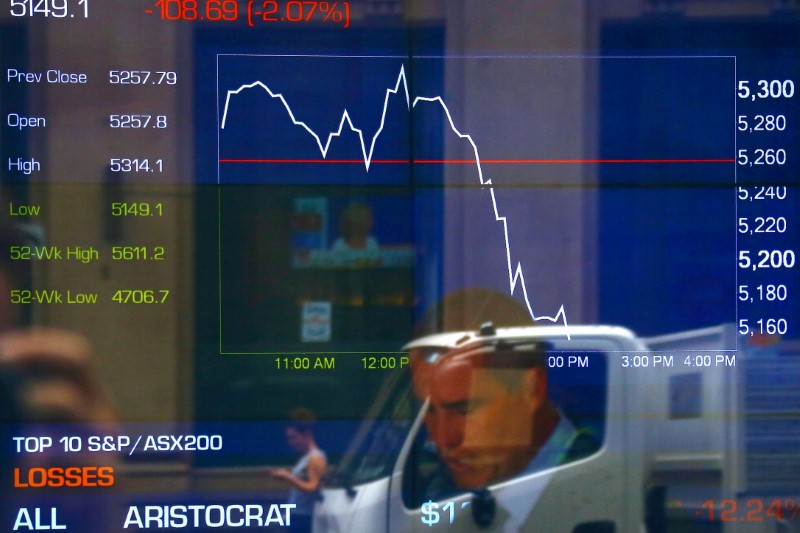
Asia-Pacific markets rallied on hopes of easing Iran-related geopolitical tensions, with the Nikkei topping 65,000 for the first time and the S&P/ASX 200 up 0.40% in Sydney. Gold rose 0.68% to $4,587.51/oz while crude oil and Brent fell 5.48% and 4.95%, respectively, signaling a shift toward risk-on positioning and lower energy risk premia. The ASX volatility index edged up 0.41% to 12.62, while AUD/JPY rose 0.35% to 113.87 and AUD/USD was roughly flat.
This is a classic relief rally driven more by positioning than by a clean fundamental inflection. The market is rapidly de-risking the “geopolitical oil shock” trade, which mechanically helps cyclicals with high fuel sensitivity and short-duration balance sheets, while compressing the hedges that were crowded into energy and defense-adjacent exposures. In that setup, the first move is usually the wrong one to chase: the bigger edge is in fading the parts of the market that were most bid on war-premium and rotating into names with direct input-cost leverage.
WDS looks vulnerable on a second-order basis even if crude stabilizes from here. The equity has likely been trading as a quasi-geopolitical hedge; if the peace narrative persists for even 1-2 weeks, implied risk premium can leak out faster than realized commodity prices, and that usually hits the stock before analysts cut earnings. The cleaner expression is not a naked short of energy beta, but a relative short versus beneficiaries of lower fuel and lower rates of inflation expectations.
IPX is a cleaner way to express the risk-on / policy-easing response than broad index longs. Small-cap materials and specialty metals can outperform when the market is pricing lower tail risk and better financing conditions, but the move is fragile because it depends on the persistence of easier FX and commodity sentiment rather than near-term cash flow revision. If the peace hopes fade or oil rebounds, this is the kind of high-beta industrials exposure that can give back half the move quickly.
The more contrarian angle is that falling oil is not automatically bearish for everything in energy: if crude drops too fast, it can improve air travel, trucking, chemicals, and consumer discretionary demand with a lag of several weeks to months. The current reaction likely over-discounts the benefits of lower input costs while under-discounting the probability that volatility stays high even after headlines improve, so the best trades are pairs that isolate spread rather than outright macro direction.
AI-powered research, real-time alerts, and portfolio analytics for institutional investors.
Request DemoOverall Sentiment
mildly positive
Sentiment Score
0.20
Ticker Sentiment
