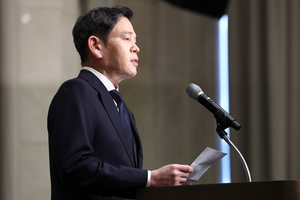
Shinsegae Group Chairman Chung Yong-jin issued a second formal apology for a controversial Starbucks Korea 'Tank' tumbler promotion that triggered nationwide backlash over references to the May 18 Democratic Uprising and activist Park Jong-chul. He accepted personal responsibility, urged critics not to target frontline workers, and pledged an overhaul of internal systems and social responsibility standards. The issue is reputationally negative for Shinsegae and Starbucks Korea, but the direct market impact should be limited.
This is less a one-day headline risk for SBUX than a governance discount event for the Korea franchise, where brand equity matters more than near-term unit economics. The immediate financial hit is likely modest, but the second-order damage is a slower recovery in same-store traffic among higher-income urban consumers who are most sensitive to reputational signaling; that can persist for multiple quarters because discretionary coffee purchases are easy to substitute and social media outrage tends to fade slower than the operational fix.
The more important issue is managerial credibility: when a local licensee is forced into a public contrition cycle, it raises the probability of tighter controls on promotions, product approvals, and marketing localization across other Asia markets. That usually means more process, slower time-to-market, and lower promotional ROI — a subtle margin headwind that won’t show up immediately in reported comps but can cap upside to the premium international growth narrative.
Competitive spillover should favor local chains and convenience formats that can capture the ‘patriotic consumption’ impulse without the same global-brand baggage. Watch for traffic migration to domestic cafes and franchise operators over the next 4-8 weeks; if that substitution is visible in Korean consumer data, it argues this is not merely a PR event but a share shift. The counterpoint is that rapid overcorrection and charitable gestures can shorten the demand hit, so the stock reaction may overstate the durable earnings impact unless management shows repeated missteps or slow remediation.
The real catalyst path is not the apology itself but whether this evolves into broader ESG/governance scrutiny of Shinsegae’s oversight culture. If investors start extrapolating this into weaker execution discipline, the downside can extend beyond Korea into a valuation de-rating on the parent’s stewardship premium; if management responds with visible internal controls and external-facing remediation within 30-60 days, the trade should mean-revert.
AI-powered research, real-time alerts, and portfolio analytics for institutional investors.
Request DemoOverall Sentiment
mildly negative
Sentiment Score
-0.20
Ticker Sentiment
