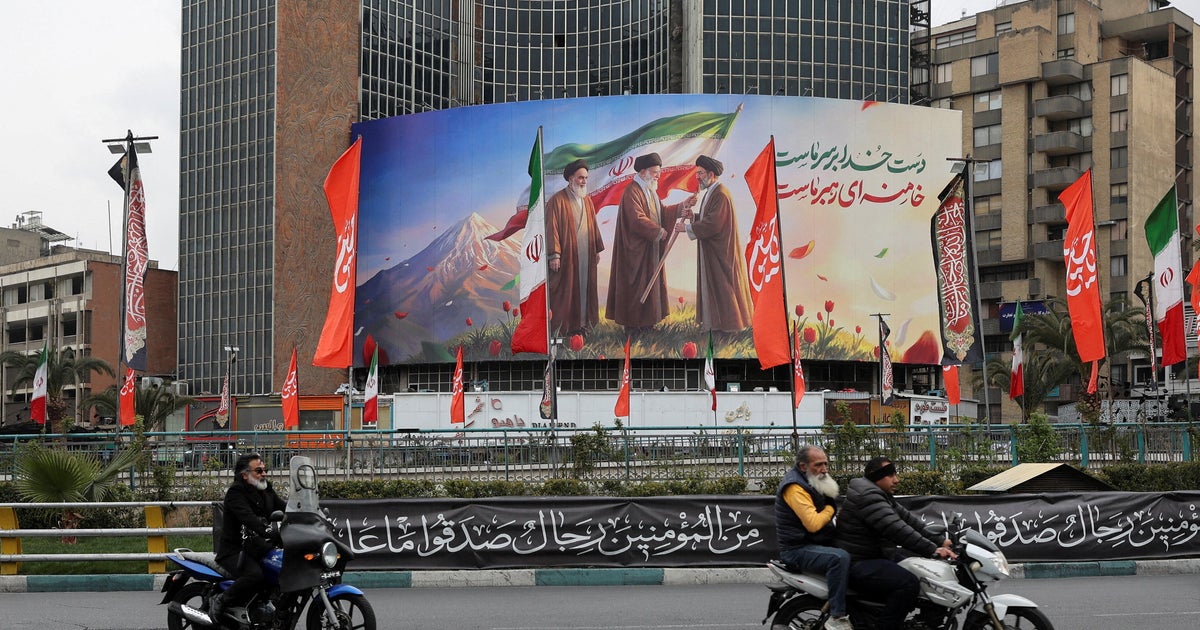
U.S. and Israeli strikes have reportedly hit ~5,000 targets in Iran and U.S. military leadership claims a 90% reduction in Iran's missile launch capacity; Iran disputes this and claims >90% strike success. Energy markets remain volatile: crude spiked as much as +30% Monday before falling ~5% after comments the war could end soon, and European gas prices plunged ~15% from intraday highs; the Strait of Hormuz (≈20% of global oil flows) remains effectively disrupted. Regional security incidents persist (UAE reports intercepting 8 ballistic missiles and 26 drones; an Iranian drone killed one civilian in Bahrain) and humanitarian disruption is large (UNHCR reports ~667,000 displaced in Lebanon), underpinning sustained market risk-off conditions.
Public messaging and headline-driven relief rallies are producing short-lived compressions in risk premia; structurally, the market still faces a non-linear premium tied to chokepoint risk and asymmetric escalation. Insurance and rerouting costs create a fixed per-barrel delivery surcharge that compounds with each additional transit day — a 7–21 day closure scenario mechanically adds double-digit dollars to marginal delivered costs through higher freight, longer voyages, and storage timing mismatches.
Defense primes and maritime asset owners are asymmetric beneficiaries: defense contractors win through multi-year replenishment cycles and near-term order acceleration, while owners of tankers and VLCCs capture outsized upside in spot charter rates if Gulf exports remain disrupted or insurance corridors force longer hauls. Conversely, integrated logistics providers and airlines face margin compression from rerouting, idle slots, and higher fuel-hedging costs, with container and bulk chains likely to experience cascading delays that amplify inventory destocking pressures into the next two fiscal quarters.
Key catalyzing events to watch on a sliding timeframe are a material tanker casualty or confirmed prolonged closure of the Hormuz corridor (days-weeks) which would reflate oil by $15–30 within 30 days, versus credible back-channel diplomacy or large SPR releases that can shave $10+ off spikes within 2–6 weeks. The highest tail risk is an escalation that prompts coalition-wide interdiction of shipping — that outcome pushes markets into a multi-month elevated-premium regime and forces durable reallocation into strategic storage, defense, and energy capex.
The market consensus underprices duration risk: headline dips are treating the conflict like an episodic shock rather than a multi-vector disruption to energy logistics and defense spending cycles. Positioning should therefore favor convex, time-lagged exposures (defense capex, tanker assets, independent E&P optionality) and avoid naked directional bets on spot oil until the mid-curve forward structure (3–9 months) confirms a new risk premium.
AI-powered research, real-time alerts, and portfolio analytics for institutional investors.
Request DemoOverall Sentiment
strongly negative
Sentiment Score
-0.75
