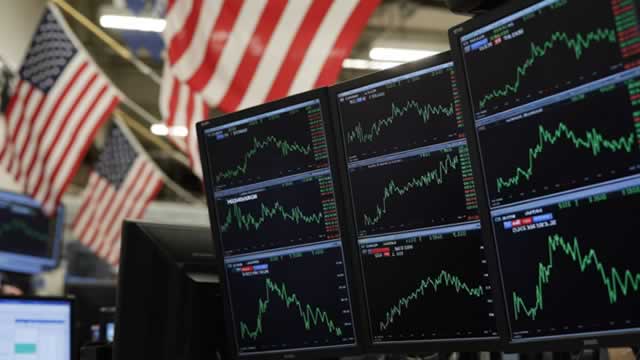
Analysts look for Q2 S&P 500 profit growth of 23.6%, aiming to extend the streak to a 7th straight quarter of double-digit earnings growth. Banks are expected to lead with 6.6% EPS growth on a rebound in Wall Street dealmaking and higher asset values, partly offset by compressed commercial lending margins and rising credit provisions. Investors will focus on corporate guidance amid ongoing geopolitical uncertainty.
The market is likely mispricing dispersion inside financials rather than the sector-level EPS number. For the large-cap money centers, the upside is concentrated in fee-rich businesses tied to underwriting, M&A, and market volumes; for lenders with more balance-sheet beta, the issue is whether deposit costs and credit reserves start to outrun loan growth. That means the first-order move may look bullish, but the second-order read-through is a test of whether 2024–2025 earnings power is sustainable or just a reflection of easier comps and buybacks.
The real catalyst is guidance, not the quarter. If management teams imply even a modest step-up in reserving or a flatter NII path, the market could compress multiples quickly because the consensus is already leaning on a long streak of double-digit profit growth. Geopolitical uncertainty cuts both ways: it can support trading desks immediately, but it also widens credit spreads and raises funding caution, which is bearish for regionals and any lender with CRE or lower-quality consumer exposure over the next 1-3 months.
Contrarian read: the bullish consensus may be underestimating how little broad index earnings strength tells us about bank stock performance. If results are driven by capital markets volatility and asset values, the winners are likely the large brokers and universal banks, while deposit-sensitive lenders remain stuck in a slower ROE regime for 6-18 months. The setup becomes bearish if loan growth decelerates, reserves rise, or CEOs turn defensive on the outlook; that would signal the earnings cycle is peaking before the index notices.
AI-powered research, real-time alerts, and portfolio analytics for institutional investors.
Overall Sentiment
mildly positive
Sentiment Score
0.18
