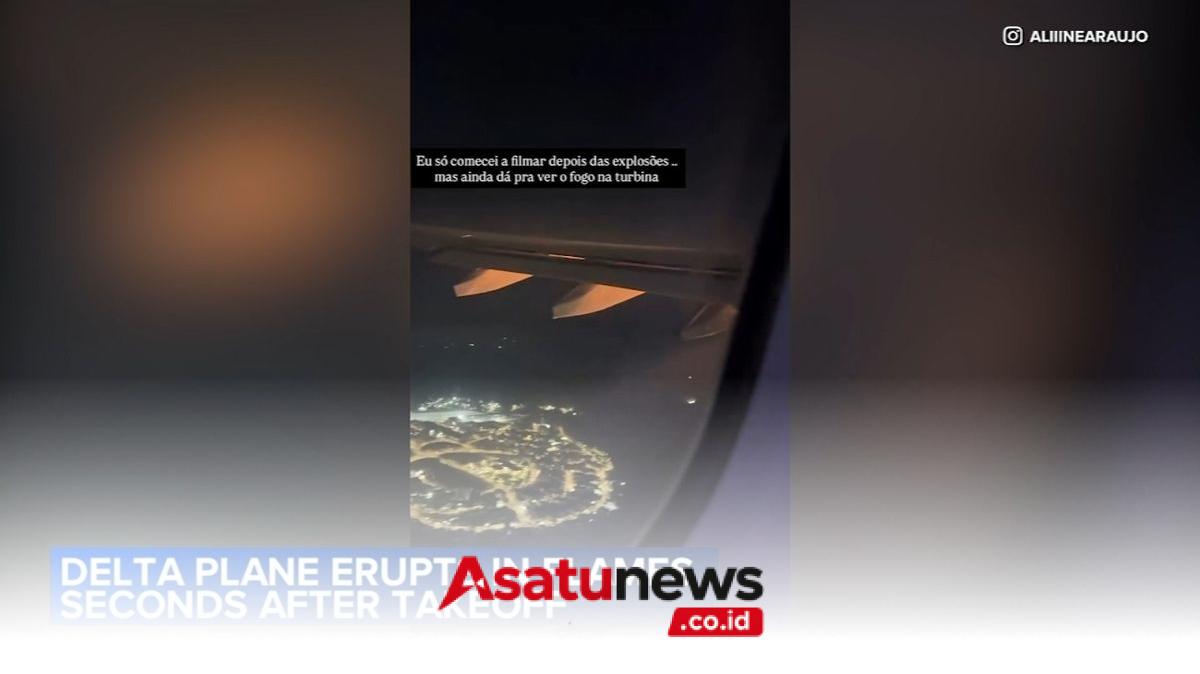
United Airlines Flight 579 diverted to Monterrey after a mechanical issue while traveling from Cabo San Lucas to Houston, with 143 passengers and 5 crew on board. The Airbus A320 landed safely, no injuries were reported, and United arranged a replacement aircraft to continue the trip to Houston. The airline has not disclosed the exact nature of the mechanical problem.
The near-term market read-through is less about the event itself and more about operational reliability risk for large-network carriers at the margin. One diversion does not change earnings, but it reinforces that the first-order impact of mechanical incidents is usually immaterial while the second-order effect is a small but persistent increase in scrutiny around maintenance execution, dispatch reliability, and customer reaccommodation costs. For UAL, the bigger variable is whether this becomes part of a broader pattern; if not, the equity should digest it quickly, but repeated headlines can pressure premium-cabin demand and corporate travel share over a multi-quarter horizon.
The more interesting angle is competitive. In a high-load-factor environment, any disruption that forces a replacement aircraft consumes slack in the schedule and can cascade into misconnects, crew re-timing, and knock-on cancellations elsewhere in the network. That tends to favor carriers with better operational redundancy and stronger IRROPS handling, while punishing names already perceived as operationally stretched. It also creates a subtle benefit for low-cost and leisure carriers on specific routes if higher-end business travelers perceive more execution risk in legacy hubs.
The contrarian view is that the market may over-penalize UAL on headline risk because the economic hit from a single diversion is de minimis relative to daily revenue, especially when there are no injuries and the aircraft lands safely. The real downside would be if this exposes an underlying maintenance or fleet-quality issue, which would matter over months, not days, and would show up in rising completion-factor misses or maintenance expense. Absent that, the event is more likely a short-lived sentiment drag than a fundamental impairment.
AI-powered research, real-time alerts, and portfolio analytics for institutional investors.
Request DemoOverall Sentiment
neutral
Sentiment Score
-0.08
Ticker Sentiment
