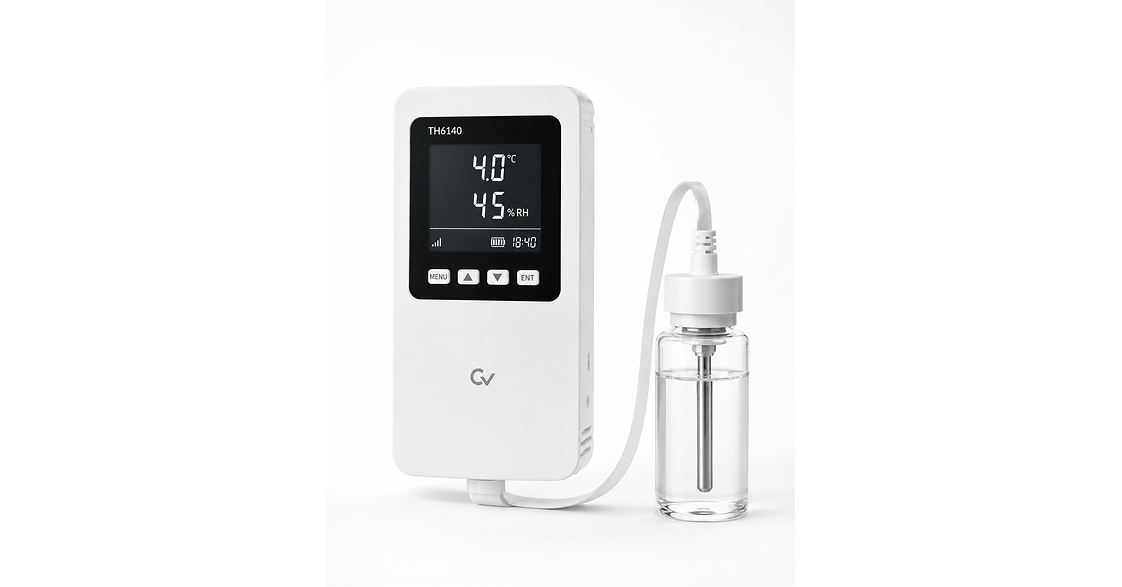
National Cold Vault launched an autonomous, grid-independent clinical refrigeration monitoring system to prevent silent cold-chain spoilage during localized power failures, sending cellular override alerts to administrators within 5 seconds and protecting assets within the CDC 2.0°C to 8.0°C range. The compliance-as-a-service model automates CDC/VFC audit reporting with $349.00 hardware and a $79.99 monthly subscription, plus automatic shipment of NIST-traceable RTD probes every 12 months. Overall, the news is operationally positive but is unlikely to materially move broader public markets.
This reads more like a validation of a niche operational pain point than a new investable catalyst. The economic impact is real at the facility level, but too small to move public equity earnings unless it becomes a standard spec across pharmacy chains, vaccine distributors, or specialty biologics storage; that adoption curve is likely measured in quarters, not days. The near-term market reaction should be negligible, but the concept is directionally bullish for any vendor selling remote asset monitoring, compliance software, or cellular IoT connectivity into regulated workflows.
The more interesting second-order effect is on insurance economics: if underwriters start requiring independent telemetry for high-value refrigerated inventory, the buyer is no longer the pharmacist but the risk manager, which raises conversion barriers and supports recurring SaaS pricing. That would favor compliance/monitoring platforms with low CAC and high renewal rates, while pressuring legacy Wi-Fi-dependent logger vendors and any refrigeration OEMs that lack native connectivity. In healthcare supply chains, the biggest winners are likely distributors and operators who can reduce shrink and claim disputes, not the hardware vendor named here.
Contrarian take: the press release implies a broad market problem, but the real constraint is validation, not technology. Facilities in this category are slow to requalify monitoring systems because any change can trigger SOP revisions, audit retraining, and insurer sign-off; that makes a fast rollout unlikely unless a high-profile outage or claim spike forces action. If we see insurer endorsements or procurement language in pharmacy chains over the next 1-3 months, the theme gains credibility; absent that, this is a micro-cap story with little public-market follow-through.
AI-powered research, real-time alerts, and portfolio analytics for institutional investors.
Request DemoOverall Sentiment
mildly positive
Sentiment Score
0.10
