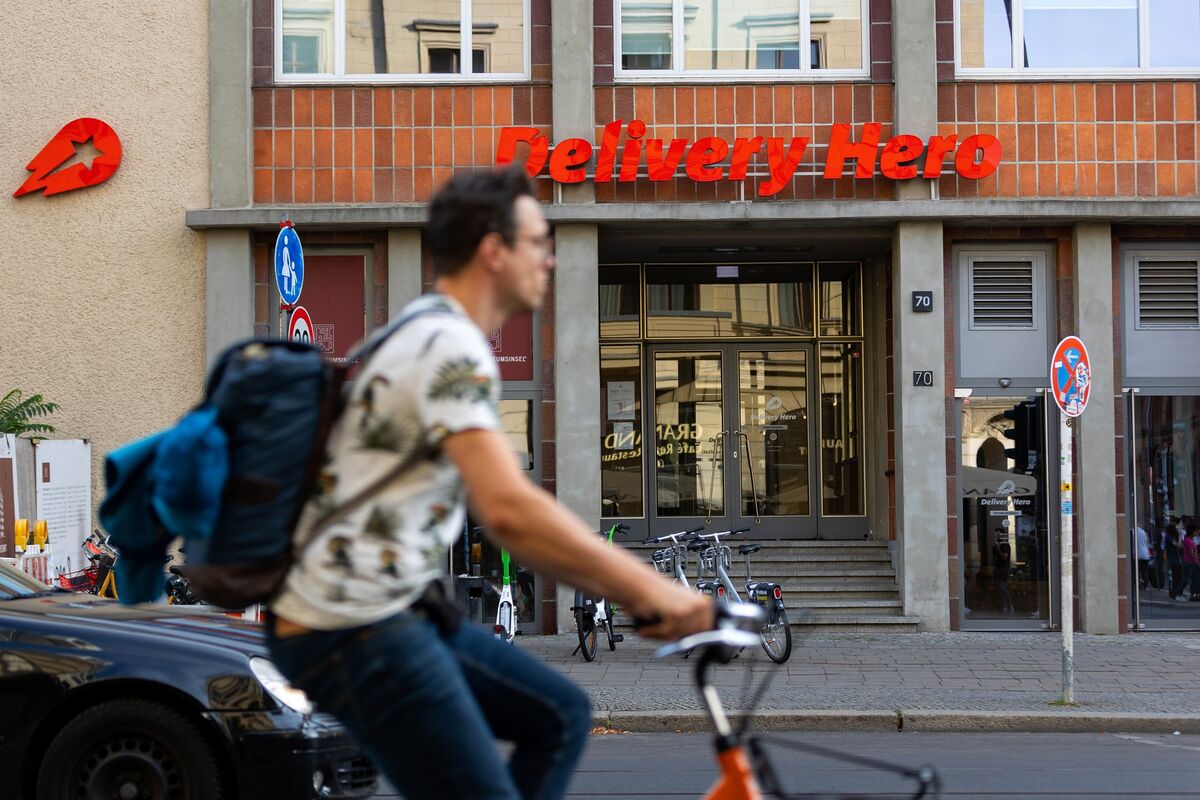
Prosus has asked the EU to отменить a requirement that it sell its roughly 17% stake in Delivery Hero, a condition tied to antitrust approval for a prior acquisition. The request comes as Uber negotiates a takeover of Delivery Hero, which could affect the value and timing of Prosus’s holding. The news is primarily regulatory and deal-related, with limited immediate market-wide impact.
UBER’s near-term optionality improves because the biggest overhang in a deal process like this is not headline price but closing friction. If the EU softens the divestiture condition, it removes one of the few credible paths for a drawn-out remedy package, which can pull expected close timing forward and reduce the probability-weighted discount investors apply to a transaction. The second-order effect is that every week shaved off regulatory uncertainty matters more than the final takeover price for a name like UBER, because the market typically re-rates the asset once the “can it close?” question moves from binary to probabilistic.
The competitive read-through is less about a single winner and more about a cleaner path for scale in last-mile delivery. If the stake-sale requirement disappears, strategic holders can keep alignment with the combined asset, which may support better governance and fewer forced-seller dynamics around the deal. That can tighten the supply/demand balance in Delivery Hero-related equities and keep a floor under the sector, while pressuring smaller competitors that were implicitly hoping for a disorderly process or asset divestitures to create room for share gains.
The main risk is that this is still a regulatory negotiation, not a decision, and antitrust authorities can trade one remedy for another. If the EU insists on behavioral commitments or a more expensive structural concession elsewhere, the timeline could stretch by months, which would cap upside in UBER and keep implied volatility elevated. Over a 1-3 month horizon, the setup is asymmetric to the upside only if the market is still discounting a protracted review; if not, the opportunity is likely already partially in the stock.
Contrarian take: the market may be too focused on the legal headline and not enough on the financing/ownership consequence. A blocked forced sale is bullish not just because it reduces friction, but because it preserves a large, patient strategic holder that can support price stability through the process. That lowers the odds of a supply overhang in the shares and reduces the chance that bad headlines trigger a self-reinforcing de-rating.
AI-powered research, real-time alerts, and portfolio analytics for institutional investors.
Request DemoOverall Sentiment
neutral
Sentiment Score
-0.10
Ticker Sentiment
