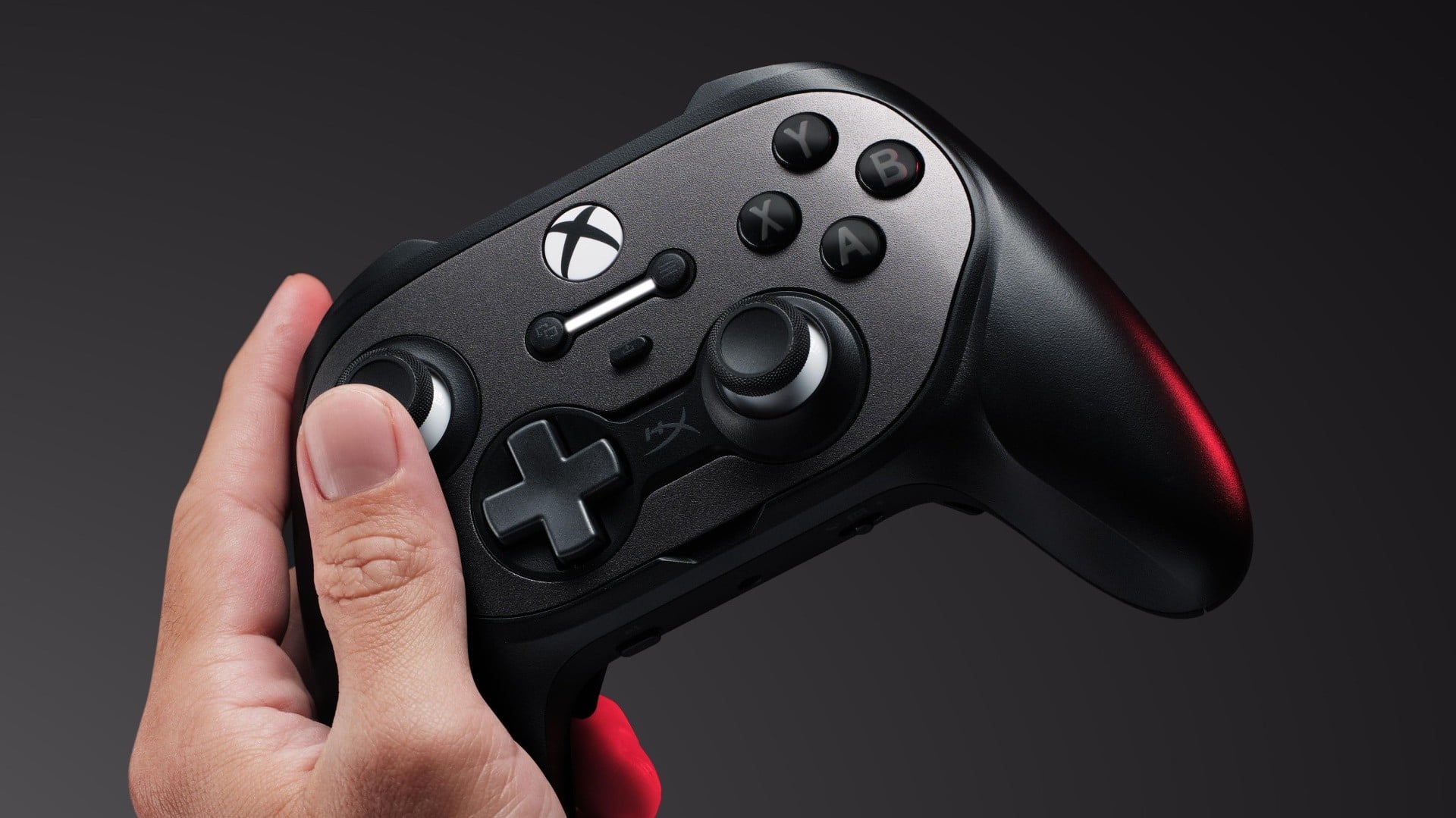
HyperX has announced the Clutch Talon, a premium hot-swappable Xbox controller featuring a full 10-button layout, an 8-axis d-pad, hall-effect sticks and triggers, and an onboard remappable interface. The controller also supports swapping triggers, sticks, back paddles, and cover plates, plus user-designed 3D-printed front and back panels. No exact release date or official price was provided, though it is expected to launch this summer at $159.99.
This is less about one controller and more about the industry shifting peripherals from commodity hardware to semi-modular platforms. If modularity and user-serviceable parts stick, the margin pool moves upstream: higher attach rates for replacement components, branded accessories, and ecosystem lock-in rather than pure one-time device sales. The real competitive threat is to incumbents relying on refresh cycles and cosmetic SKUs; a successful hot-swappable design can compress differentiation among mainstream controllers and force rivals into either price cuts or higher R&D spend.
The second-order effect is on supply chain and channel economics. A design that supports interchangeable sticks, triggers, paddles, and printable panels increases the mix of small-batch, high-margin parts while lowering the barrier to aftermarket ecosystems, which is good for firms with manufacturing flexibility and bad for vendors optimized for volume tooling. It also creates a mild cannibalization risk: consumers who might have bought multiple premium controllers over time may instead buy one modular base unit and fewer incremental complete replacements.
For investors, the key catalyst is whether this becomes a repeatable category across console and PC gaming peripherals over the next 6-18 months. If adoption is real, the winners are component/IP providers and brands with strong accessory ecosystems; the losers are generic controller makers with weak software, weak retail presence, and low differentiation. The contrarian risk is that modularity remains a niche enthusiast feature: if failure rates, compatibility friction, or printing complexity are non-trivial, the concept may trade as an engineering curiosity rather than a consumer standard, limiting any meaningful financial impact.
Consensus is probably overestimating near-term revenue impact and underestimating long-term strategic value. The first-order dollars here are small, but the signaling value is larger: if a mainstream brand normalizes repairable, customizable peripherals, it nudges the market toward higher lifetime value per user and lower churn. That favors companies that can monetize ecosystems repeatedly, not just sell boxes.
AI-powered research, real-time alerts, and portfolio analytics for institutional investors.
Request DemoOverall Sentiment
neutral
Sentiment Score
0.12
