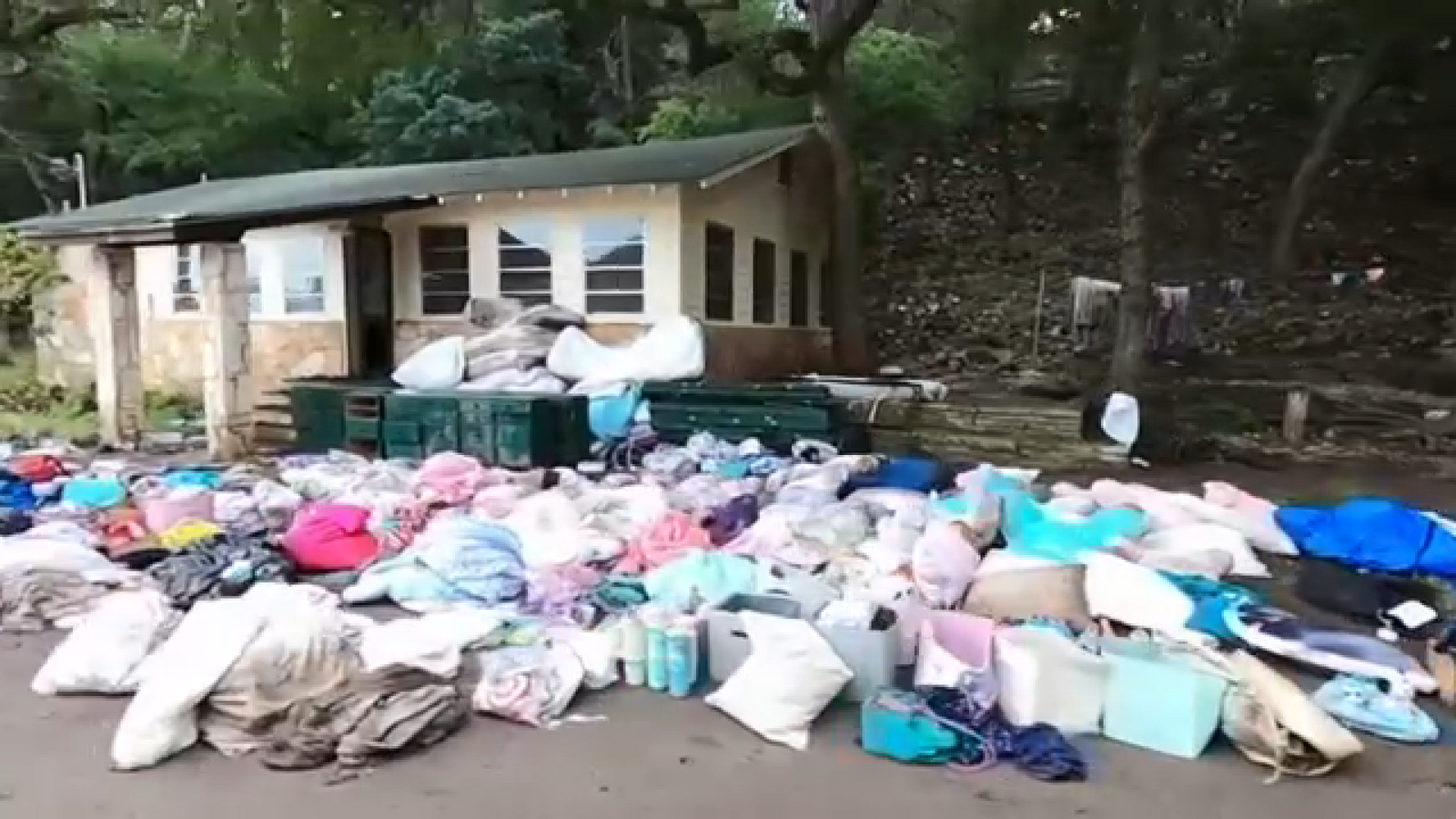
Camp Mystic was told its emergency plan falls short of new Texas youth camp licensing rules, with deficiencies in 22 categories and 45 days to correct them. The notice follows last summer's deadly July 4 flood that killed 25 campers, two counselors and the director, and comes amid heightened political pressure and ongoing litigation. The issue is regulatory and legal in nature, with limited direct market impact but meaningful implications for camp operations and reopening plans.
The market impact is not the camp itself, but the regulatory spillover: this is another data point that youth-camp liability standards are getting materially tighter, and the compliance burden is moving from checkbox to operational redesign. That should favor operators with professionalized safety systems, insurance discipline, and stronger legal budgets, while smaller/private camps face a widening gap in fixed-cost compliance that could compress margins or force capacity reductions over the next 1-2 license cycles.
The second-order effect is on the insurance stack. Even without a direct public ticker, expect excess liability pricing to re-rate for outdoor recreation, summer camps, and adjacent hospitality assets in flood-prone regions. The key risk is not just denial of one license; it is the precedent that regulatory reviews now become quasi-litigation events, which can extend reopening timelines by months and create last-minute forced capex for evacuation infrastructure, communications, and accessibility accommodations.
Contrarian read: the headline is mildly negative for the specific camp, but arguably supportive for larger leisure operators that can demonstrate robust emergency protocols and absorb incremental compliance costs. The consensus may be overestimating broad travel/leisure damage; the more likely outcome is bifurcation, where credible brands take share from undercapitalized independents as parents and insurers gravitate to perceived safer operators. The tail risk is broader political pressure leading to more aggressive enforcement in other states after the next high-profile weather event, which would turn this from a one-off local issue into a multi-year sector compliance trade.
AI-powered research, real-time alerts, and portfolio analytics for institutional investors.
Request TrialOverall Sentiment
mildly negative
Sentiment Score
-0.20
