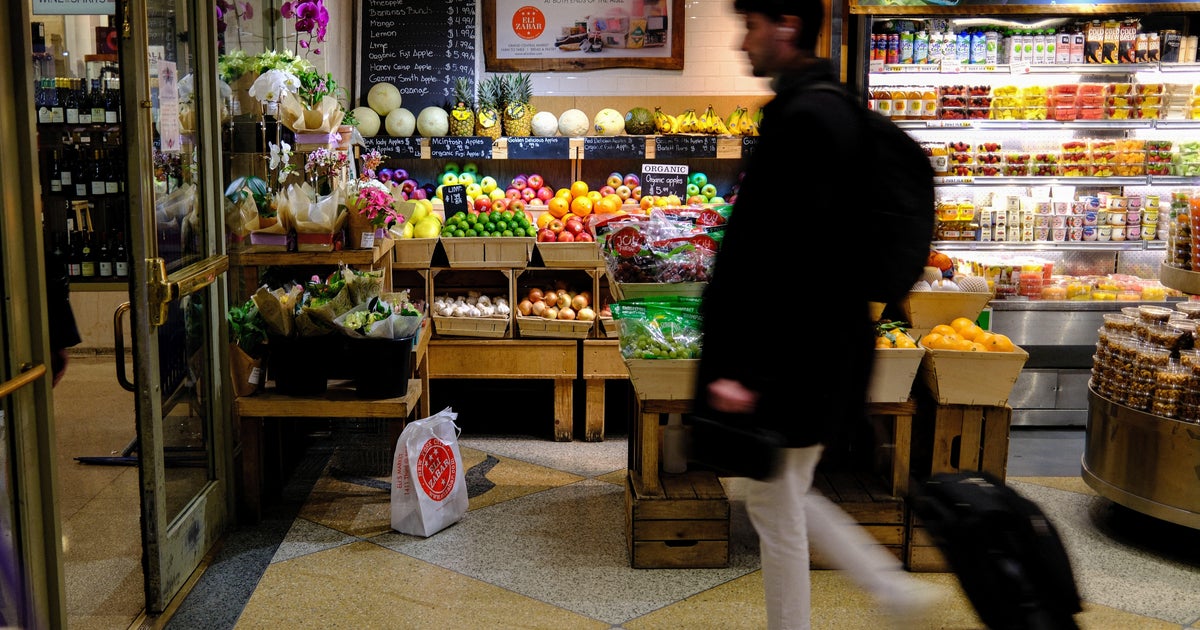
U.S. food prices continue to run above overall inflation, rising at a 3.1% annual rate in December versus 2.7% for all goods, and jumping 0.7% month-over-month—the largest monthly increase since September 2022; overall food costs are nearly 19% higher since January 2022. Key drivers include record highs in beef and coffee (e.g., ground coffee $9.05/lb in Dec 2025 vs $6.78 a year earlier; boneless sirloin $14.03/lb vs $11.67), supply constraints, weather problems for coffee, tariffs (recently pared), and earlier avian flu impacts on eggs (egg prices down ~21% YoY to $2.71 in Dec 2025). "Food away from home" rose at a 4.1% annual rate, squeezing restaurant margins via higher labor and utilities and continued strong demand, signaling persistent cost pressure for consumer-facing sectors.
Market structure: Persistent food inflation (CPI food +3.1% YoY in Dec; groceries ~+19% since Jan 2022) reorders winners toward firms with private-label scale and pricing power (WMT, COST, KR, GIS, K) and commodities suppliers (cattle, coffee). Restaurants and labor-intensive operators face margin compression (DRI, EAT) as “food away from home” rose 4.1% YoY; expect continued pricing but weaker traffic elasticity for casual dining over 3–12 months.
Risk assessment: Tail risks include a renewed avian-flu or El Niño shock that pushes protein/produce prices +20% in 3–6 months, and tariff policy swings that could transiently lower import prices but not structural costs. Near-term (days/weeks) volatility will be CPI prints and USDA/ICE crop reports; medium-term (3–12 months) drivers are Fed policy (higher-for-longer rates if core stays sticky) and weather-driven supply shocks.
Trade implications: Favor overweight consumer staples and private-label grocers for the next 3–12 months; underweight mid/high-end casual dining and leisure. Hedge macro with short duration and TIPS exposure (2–5yr) if food CPI stays above 3% for two consecutive releases; express commodity upside via coffee (KC) and live cattle futures or ETN call spreads.
Contrarian angles: Consensus understates downgrading of share for premium restaurants — consumers will trade down faster than aggregate spending data show, benefiting discount chains and private label. Expect mean reversion in volatile categories (eggs) but structural stickiness in beef/coffee; mispricings will form in multi-week windows after major USDA/weather releases.
AI-powered research, real-time alerts, and portfolio analytics for institutional investors.
Request DemoOverall Sentiment
moderately negative
Sentiment Score
-0.45
