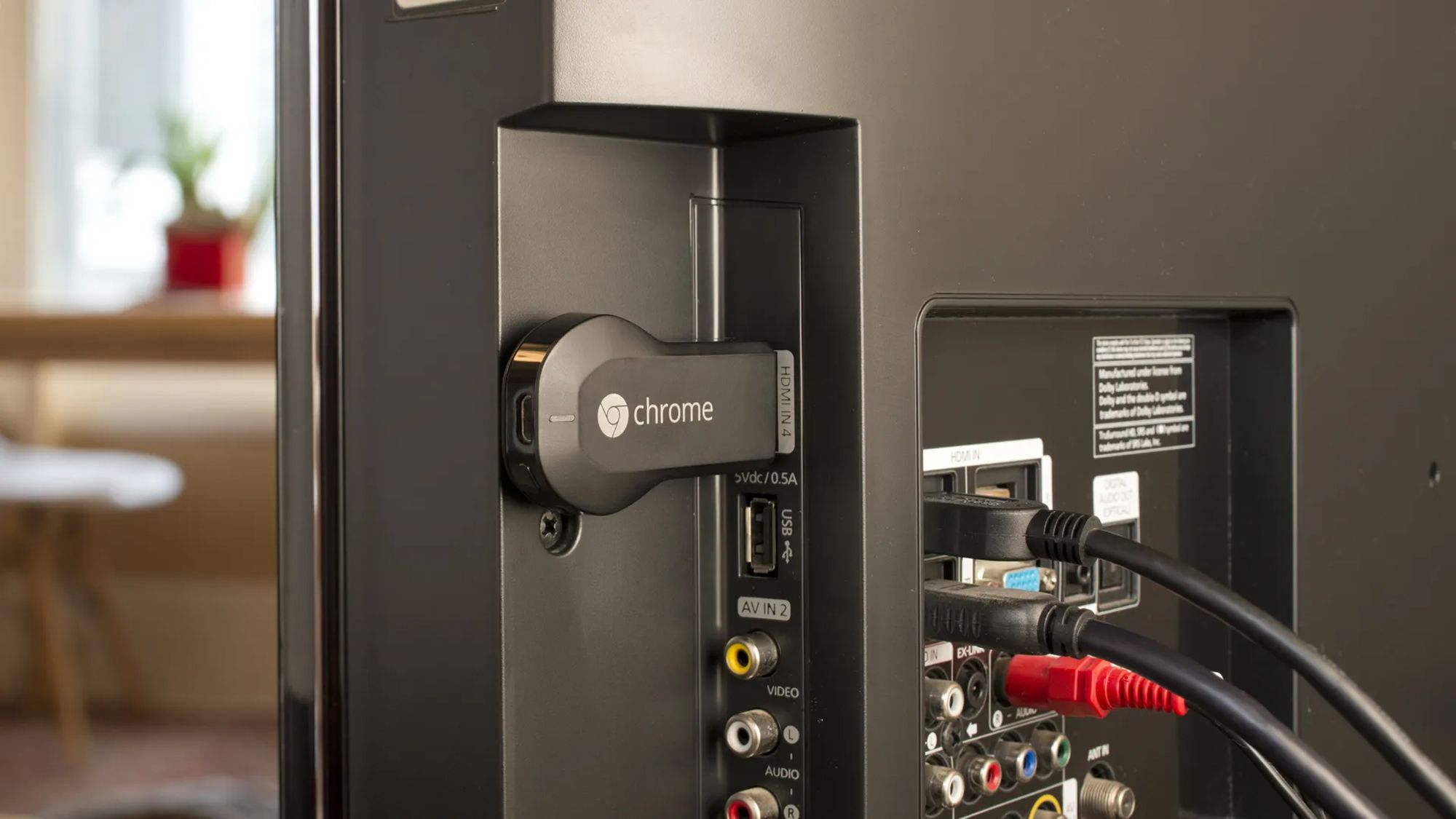
Original first-generation Chromecasts are widely failing after about 13 years in service, with many users reporting they can no longer cast content. Google ended support for the device in 2023, and the article suggests possible certificate expiration or a Google Home app compatibility break. The 2nd- and 3rd-generation models are reportedly still working, while the Chromecast category itself has been retired in favor of Google TV hardware.
This is not just a software-support story; it is a quiet proof point that consumer connected-device ecosystems have a long tail of service liability. When legacy hardware ages out, the real monetization shifts from the device margin to the operating system, app-store, and replacement-device attach rate, which tends to favor platform owners with active upgrade paths. For GOOGL, the near-term financial hit is negligible, but the strategic takeaway is that the company can push a meaningful installed base toward newer Google TV hardware or third-party Google TV devices without a conventional launch campaign.
The bigger second-order effect is channel and competitor positioning. If older cast-only devices fail, consumers don’t simply “buy another Chromecast”; they are more likely to migrate to a remote-first streaming box, which increases ARPU for the ecosystem and makes the decision less about casting and more about interface control, recommendations, and content partnerships. That benefits Google’s TV stack, but also gives Walmart a small opening via lower-price Google TV devices if the retailer can become the default value channel for households replacing obsolete dongles.
The overhang for GOOGL is reputational, not revenue: any perception that Google can strand hardware via certificate or app changes raises support-risk anxiety across Nest, Fitbit, and other connected-device lines. That said, the market should not overreact; the event is more likely to accelerate upgrades than trigger churn. The better trade is to look for modest incremental hardware engagement rather than a core-ad business impact, with the catalyst window measured in weeks as consumer replacement behavior becomes visible in search and retail signals.
Contrarian view: the consensus will frame this as an embarrassing product death, but the economic reality is closer to planned obsolescence with a clean ecosystem harvest. If replacement cycles are happening, the upside is that customers are being re-sorted into newer Google-controlled endpoints at very low acquisition cost. The risk case is only if the failure is interpreted as a trust breach that slows adoption of Google-branded hardware broadly; that would show up over months, not days, and is the key thing to monitor.
AI-powered research, real-time alerts, and portfolio analytics for institutional investors.
Request DemoOverall Sentiment
mildly negative
Sentiment Score
-0.15
Ticker Sentiment
