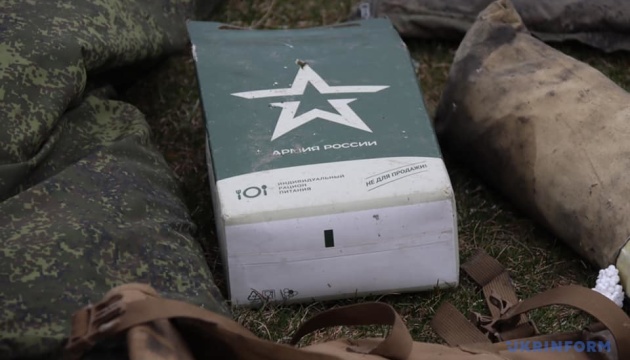
Russia’s reported war losses in Ukraine rose by 1,080 over the past day, including 1,479 operational-tactical UAVs, 373 vehicles and fuel tankers, 82 artillery systems, and 7, at least 7, other equipment categories mentioned in the update. The General Staff also said Ukraine repelled 30 Russian attacks in the Pokrovsk sector amid 200 combat engagements along the frontline as of 22:00 on May 8. The update is primarily a battlefield recap with limited direct market impact beyond defense and geopolitics.
The immediate market read-through is not about a headline casualty print; it is about the persistence of a high-intensity attritional war that keeps the defense supply chain on a multi-quarter replenishment cycle. That favors firms with exposed backlog in munitions, air defense interceptors, drones, EW, and battlefield electronics, while pressuring any European industrials with meaningful Eastern Europe logistics exposure or energy-intensive manufacturing that remains vulnerable to infrastructure disruptions.
The second-order effect is that destruction of vehicles, artillery, and UAVs implies continued burn rate of consumables faster than industrial production can normalize, which supports the thesis that NATO procurement stays elevated even if front-line momentum stalls. The longer this persists, the more defense budgets get reallocated away from legacy platforms toward cheaper, scalable systems: loitering munitions, counter-UAS, sensors, and secure comms. That is constructive for mid-cap defense suppliers with exposed order books and less dependent on single large platform cycles.
Near term, the bigger catalyst is not battlefield volatility but policy drift: every additional month of stalemate raises the probability of new aid packages, emergency stockpile replenishment, and accelerated domestic production incentives in the U.S. and Europe. The main reversal risk is a ceasefire process that actually holds and reduces urgency in procurement, but even then inventory depletion is deep enough that the demand cliff would likely be delayed, not immediate. The market may still be underestimating how sticky replacement demand becomes once countries have drawn down aging stockpiles and are forced to buy for both deterrence and active replenishment.
Contrarian view: the consensus often treats defense as a clean, linear beneficiary of war intensity, but the more interesting trade is inside the sector. Platforms with long-cycle, capital-heavy production may see less operating leverage than suppliers of attritable systems where replenishment rates can accelerate quickly; likewise, companies tied to European discretionary industrial capex may lag even as headline defense spend rises. The better risk/reward is to own the picks-and-shovels of modern warfare, not the legacy primes most people reach for first.
AI-powered research, real-time alerts, and portfolio analytics for institutional investors.
Request DemoOverall Sentiment
mildly negative
Sentiment Score
-0.20
