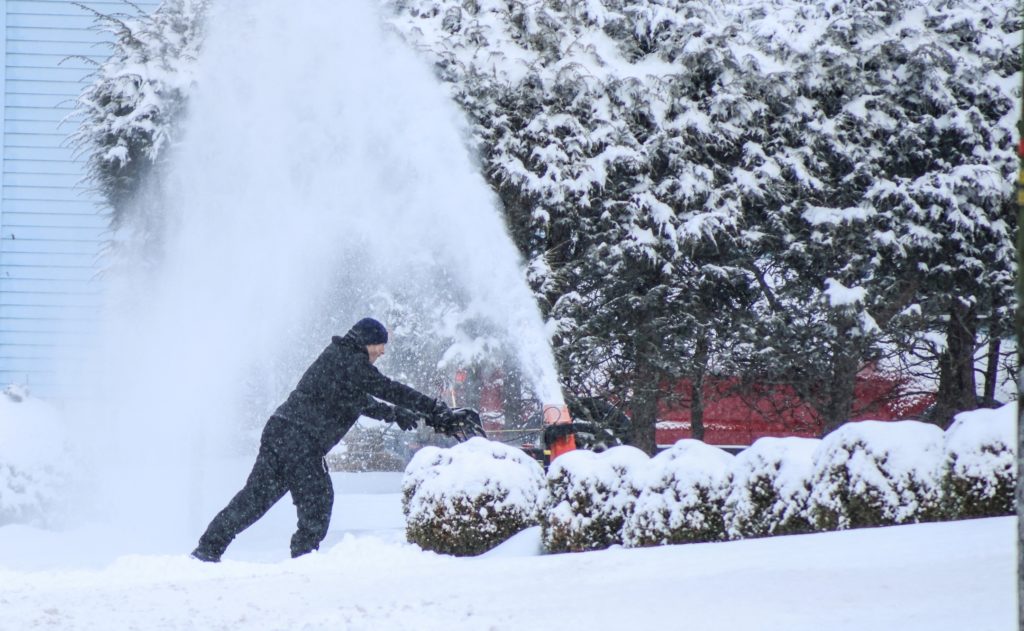
A massive post-holiday winter storm disrupted travel for millions of Americans, creating short-term operational and revenue risks for airlines, airports and related travel services. U.S. domestic security concerns were underscored as court documents say the man charged with placing pipe bombs in Washington acted on beliefs the 2020 election was stolen, reinforcing political and legal volatility. Ukrainian President Volodymyr Zelenskyy said the U.S. offered 15-year security guarantees to deter Russia after a ceasefire, a development that could influence defense policy, geopolitical risk premia and related markets.
Market structure: The winter storm is an immediate negative for airlines, airport service providers and travel leisure (AAL, UAL, LUV, MAR) via canceled flights and lost revenue over the next 7–14 days, while utilities, residential energy suppliers and natural gas (UNG exposure) see higher short-term demand and price support. Geopolitically, a U.S. 15-year security guarantee to Ukraine pushes longer-term demand into defense primes (LMT, RTX, NOC) and allied munitions suppliers, improving backlog visibility and pricing power over 12–36 months. Cross-asset: expect a near-term USD safe-haven bid and Treasury yields compression (2–5bp on flight-to-safety days), higher NG volatility, and elevated equity options skew in travel names for 30–60 days.
Risk assessment: Tail risks include escalation in Ukraine that spikes oil/gas >20% and triggers sanctions/regulatory shocks to defense supply chains, or a protracted cold snap compressing rail/highway logistics for 4+ weeks causing inventory shortfalls for retail/hardlines. Immediate window (days): travel revenue and option IV; short-term (weeks–months): gas price/utility margin effects and Q1 revenue misses for airlines/hotels; long-term (quarters–years): sustained defense procurement and infrastructure spending. Hidden dependencies: airport/ground-handling labor shortages and insurance claims from weather losses can amplify P&L hits beyond ticket refunds.
Trade implications: Near-term: deploy small, tactical put-spreads on AAL/UAL (30–45 day) sized 0.5–1% NAV to capture IV and operational risk; buy 1–2% NAV call spreads on UNG or Henry Hub options (30–90 day) to play cold-driven spikes with defined risk. Medium/long-term: overweight large-cap defense (LMT, RTX) 2–3% NAV for 12–36 months on expected order flow; pair trade long LMT vs short regional airline (JBLU or AAL) to express structural demand shift. Rotate portfolio into utilities (XLU) and energy midstream (ETR, KMI) on weakening travel demand signals.
Contrarian angles: The market may over-discount airlines' ability to rebook and recapture revenue—if cancellations normalize within 10 days, survivors with strong network hubs (LUV) can rebound 10–20% quickly, so avoid aggressive permanent shorts. Conversely, defense names already rallying could underperform if Congress delays appropriations; size positions to 2–3% NAV and use staggered entries on procurement headlines. Watch for secondary effects: logistics delays boosting e-commerce sales later in January, creating short-lived winners like AMZN logistics exposure despite immediate pain.
AI-powered research, real-time alerts, and portfolio analytics for institutional investors.
Request DemoOverall Sentiment
mildly negative
Sentiment Score
-0.25
