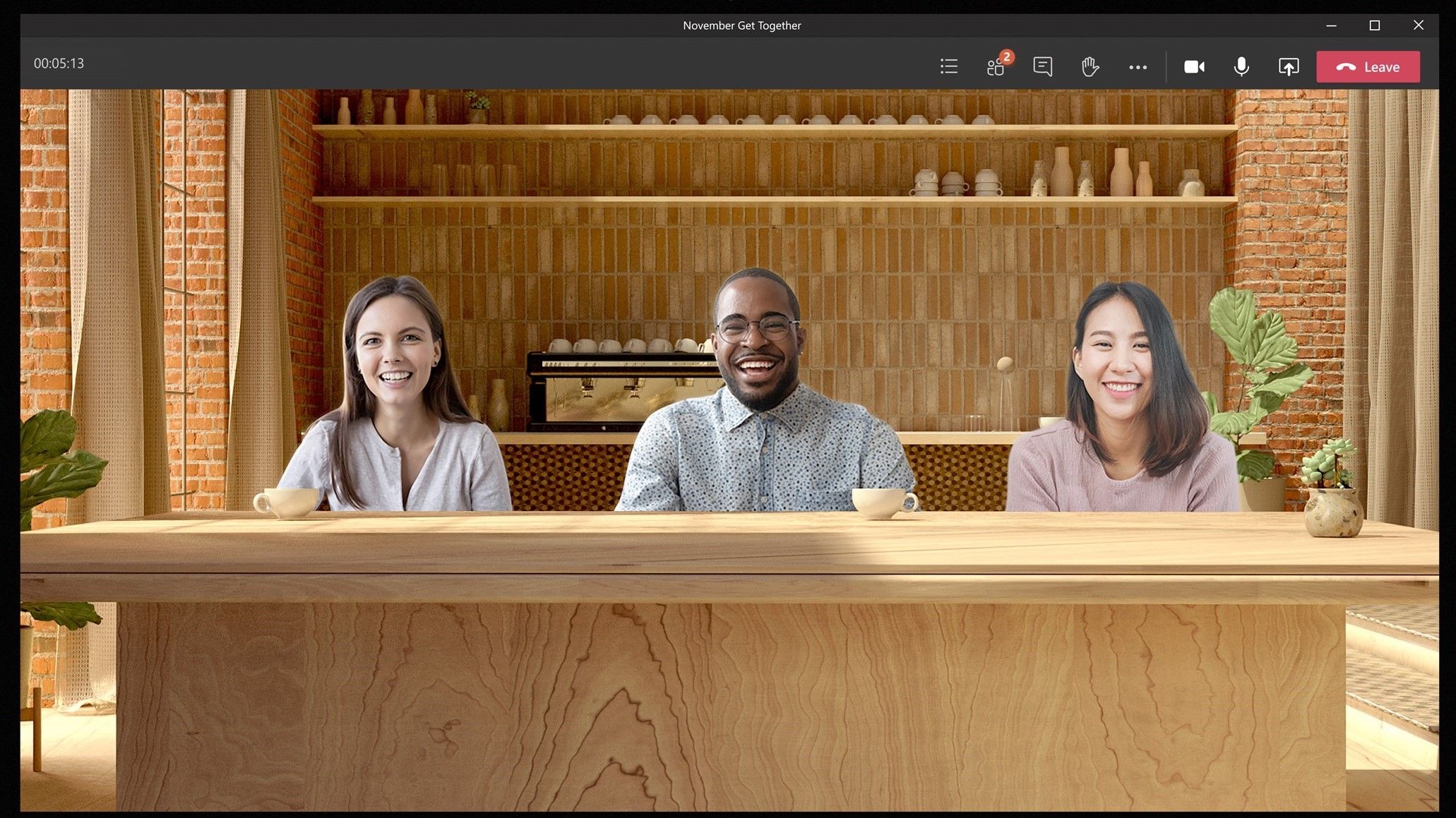
Microsoft is retiring Teams Together Mode, a 2020 pandemic-era feature, and shifting users to the modern Gallery view that can show up to 49 participants. The change is intended to simplify meeting layouts, reduce complexity, and allow Microsoft to focus engineering resources on video quality, stability, and performance. The update is incremental and unlikely to materially affect the stock, but it reflects ongoing product rationalization within Teams.
This is a small but directionally useful sign that Microsoft is pruning UI surface area in Teams to concentrate engineering on reliability rather than feature breadth. The second-order effect is that the product is implicitly being repositioned from “novel meeting experience” to “default enterprise communications utility,” which should help retention in large deployments where complexity, training overhead, and support tickets are the real hidden costs. That matters more for multi-year seat durability than for near-term seat growth.
From a competitive lens, the loser is any collaboration vendor trying to differentiate on meeting cosmetics rather than workflow integration and admin simplicity. Zoom still owns more of the premium video-native mindshare, but this is a reminder that Microsoft’s moat is distribution and IT simplicity, not best-in-class conferencing features; every step that reduces friction in Teams makes displacement harder. The real beneficiary is Microsoft’s broader ecosystem: less time spent on niche layout work should increase the odds that product cycles land in security, quality, AI meeting summaries, and cross-app workflows where monetization is stronger.
The market may over-read this as a negative innovation signal, but I see it as a low-risk housekeeping change with an option value argument: removing an edge-case feature reduces support burden and should marginally improve customer satisfaction scores over the next 1-2 quarters if it translates into smoother meetings. The key risk is not this removal itself, but whether it signals broader product pruning that alienates power users or enterprise IT admins who value configurability. If the simplification is poorly received by Teams Rooms or education customers, any backlash would show up first in admin sentiment and renewal commentary, not in immediate revenue.
AI-powered research, real-time alerts, and portfolio analytics for institutional investors.
Request DemoOverall Sentiment
neutral
Sentiment Score
-0.05
Ticker Sentiment
