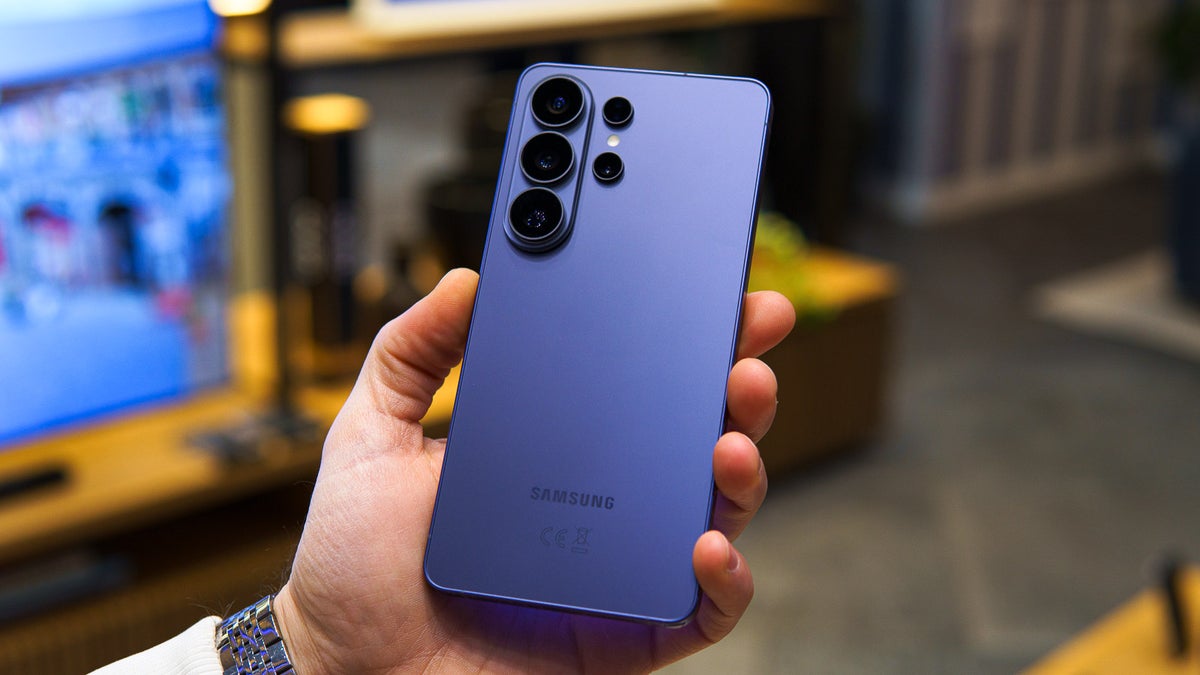
Samsung is reportedly testing silicon-carbon batteries as large as 12,000 mAh, 18,000 mAh, and 20,000 mAh, with the Galaxy S27 Ultra cited as a likely first beneficiary. Prototype 12,000 mAh cells reportedly failed at 960 charge cycles versus a 1,500-cycle target, indicating the technology is still under development. If successful, the shift could meaningfully close Samsung's battery-capacity gap with Chinese rivals such as Xiaomi, Realme, and Honor.
This is less about one handset refresh and more about a potential reset in the premium-phone durability/performance gap. If Samsung credibly closes battery-life parity with Chinese OEMs, the competitive moat shifts away from raw hardware endurance and back toward software/ecosystem, where Samsung is structurally stronger in the West; that is a negative for the battery-centric value proposition that has helped Xiaomi/OnePlus/Honor win enthusiast and upgrade-sensitive buyers. The second-order effect is that Chinese brands may have to lean harder on price or camera gimmicks to defend share, which typically compresses mid-to-high-end gross margins before it shows up in shipment data.
The key risk is timing. Even if engineering progress is real, commercialization is likely a 12-24 month process, and the market will over-discount any “next-gen battery” story until reliability and cycle-life are proven in mass production. The failure mode is not technical impossibility but QA conservatism: one recall-class issue would set the category back materially, especially for Samsung, where battery safety has asymmetric brand damage. That means the near-term read-through is mostly sentiment, while the P&L impact is deferred to a later product cycle.
Contrarian take: the market may be too focused on battery capacity and not enough on software power management, where the incremental user benefit of larger cells is diminishing. If Samsung can deliver comparable real-world longevity through optimization plus modest cell gains, the competitive gap narrows without needing a dramatic BOM step-up, which would blunt the margin concern investors may assume. For Apple and Google, this is not an immediate threat; it instead raises the bar for battery-life marketing and could force them to invest more in efficiency rather than just scaling cell size.
AI-powered research, real-time alerts, and portfolio analytics for institutional investors.
Request DemoOverall Sentiment
mildly positive
Sentiment Score
0.20
Ticker Sentiment
