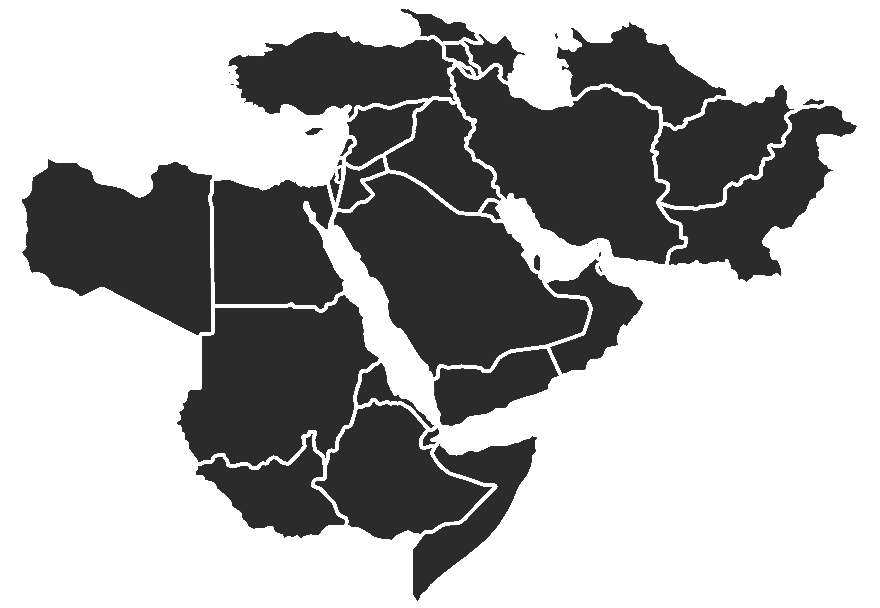
Iranian security forces have escalated a nationwide crackdown on protests, rebranding demonstrators as "terrorists" and reportedly deploying IRGC units and possibly Artesh forces; CTP-ISW recorded 60 protests across 15 provinces on Jan 10 (25 medium, 8 large) amid a nationwide internet shutdown. Tehran hospitals reported at least 217 protester deaths since Jan 8 and sources cite hundreds killed or injured, while US officials have held preliminary discussions about possible military options though they see no imminent attack—heightening regional geopolitical risk that could pressure risk premia and energy markets.
Market structure: Acute domestic unrest in Iran + credible talk of US military options pushes near-term risk-off. Winners: defense contractors (RTX, LMT), ISR/satellite imagery (MAXR), and hard-asset hedges (GLD, crude). Losers: regional EM credit, airlines (DAL, UAL), Gulf-related shipping/energy services; pricing power shifts toward producers and strategic suppliers as risk premia rise across energy and defense for 1–3 months.
Risk assessment: Tail risks include a Gulf escalation that disrupts shipping (Oil +$20–40/bl within days) or a US strike provoking asymmetric retaliation impacting regional infrastructure and insurance losses. Immediate window (0–7 days): volatility spikes; short-term (1–3 months): widened EM spreads and higher defense capex expectations; long-term (6–24 months): structural higher defence budgets but uncertain energy flows if regime change occurs. Hidden dependencies: Starlink/space-based comms (private) increasing demand for satellite ground equipment (VSAT) and imagery services (MAXR).
Trade implications: Prefer option-based skew plays to capture jump risk rather than large directional equity exposure. Tactical plays: short EM sovereign beta and buy crude call spreads (3-month tenor), and a 6–12 month overweight in established defense primes and cybersecurity vendors to capture budget reallocation. Use stop-loss/triggers tied to Brent levels and on-the-ground signals (US troop movements, Artesh nationwide deployment).
Contrarian view: Market may overpay defense equities now—recent run-ups and consensus positioning raise downside if conflict remains localized. Oil upside is real but capped by OECD SPR releases and OPEC spare capacity; favor tight call spreads over outright futures. If protests produce internal regime change within 6–12 months, medium-term oil softened and sanctions regime could flip, creating mean-reversion risk for beneficiaries of current risk-off trades.
AI-powered research, real-time alerts, and portfolio analytics for institutional investors.
Request DemoOverall Sentiment
strongly negative
Sentiment Score
-0.65
Ticker Sentiment
