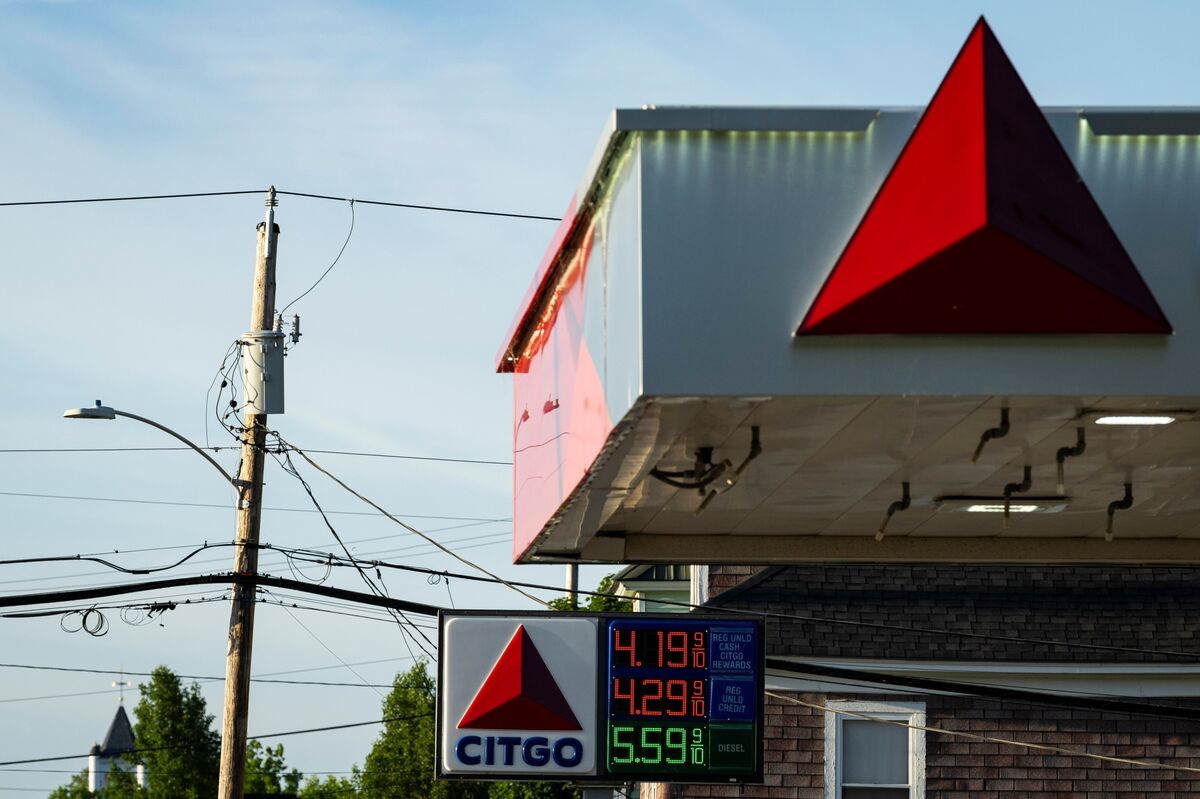
Inflation likely peaked in May after the US-Iran peace agreement, but economists say it will take time for shipping through the Strait of Hormuz to normalize and for gas prices to retrace. The article suggests the worst war-driven inflation pressure may be behind us, though the outlook for consumers and the broader economy remains uncertain. Given the geopolitical and energy-market implications, the news could have broad market effects.
The market should treat this as a disinflationary impulse, but not a clean reversal. The first-order effect is lower headline pressure from energy, yet the bigger second-order winner is duration: if energy volatility falls, breakevens and term premia can compress even before CPI prints fully roll over. That matters more for rate-sensitive sectors than for direct commodity exposure, because equities typically re-rate on the expectation of fewer “surprise” inflation shocks rather than the realized decline in the index.
The most exposed losers are not just upstream energy names; it is any asset class that had been pricing persistent supply-risk scarcity into margins and inventories. Refined products, trucking, airlines, and consumer discretionary should all benefit with a lag if fuel pass-through eases, but the timing is uneven because inventories, hedging programs, and freight contracts create a 1-2 quarter delay. Meanwhile, the Gulf shipping and defense complex likely gives back some of the geopolitical premium quickly, but a partial premium can persist if routing normalizes slowly or the deal proves reversible.
The key risk is that the inflation peak narrative becomes too complacent too fast. If shipping lane normalization stalls, energy prices can reprice higher even without renewed conflict, and that would keep goods inflation sticky into late summer. A more important tail risk is policy: once headline inflation eases, the market may pull forward Fed cuts, which is supportive for multiples but could also weaken the dollar and reflate commodities in a reflexive loop.
Consensus is probably underestimating how asymmetric the unwind can be: geopolitical risk premiums often come out faster than physical bottlenecks. That favors short-vol expressions over outright directional commodity shorts, because realized volatility in energy can mean-revert sharply while the spot adjustment may be choppy. The better trade is to express lower inflation through rates and cyclicals, not by betting aggressively on a straight-line collapse in oil.
AI-powered research, real-time alerts, and portfolio analytics for institutional investors.
Request DemoOverall Sentiment
neutral
Sentiment Score
0.10
