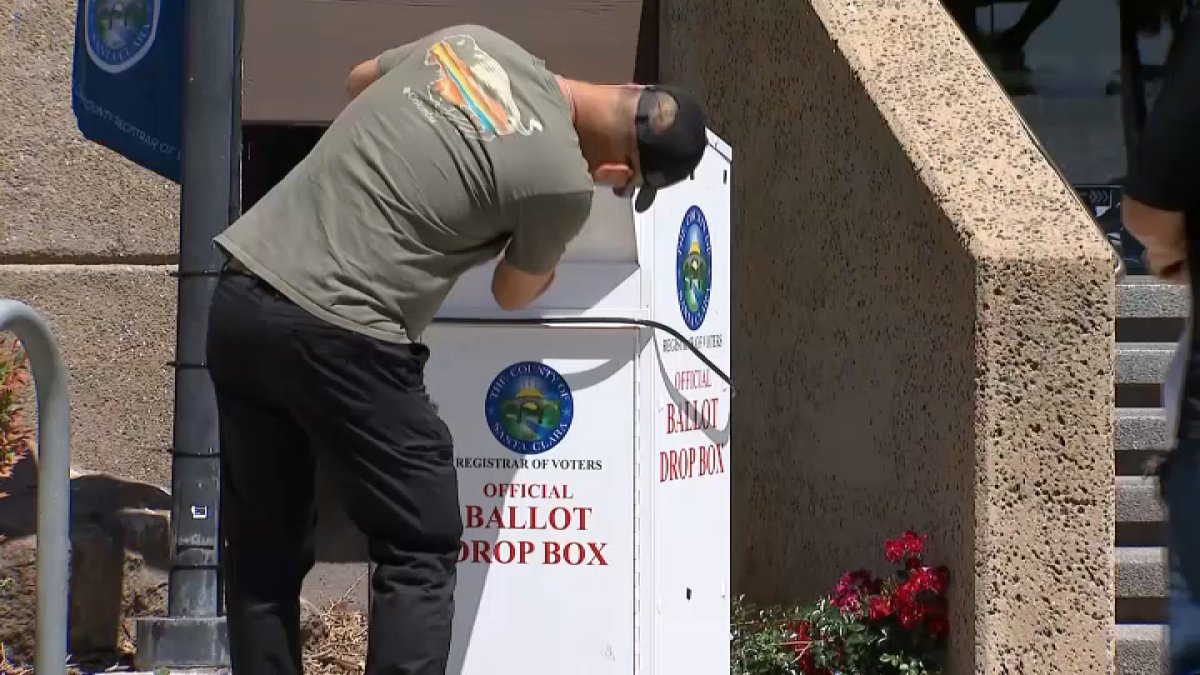
California’s governor and Los Angeles mayoral races are heading into the primary with no clear frontrunner, featuring Steve Hilton, Tom Steyer, Xavier Becerra, Karen Bass, Spencer Pratt and Nithya Raman. The article highlights a possible all-Democratic governor’s ticket, Bass’s vulnerability after the 2025 Palisades Fire, and a tightly clustered LA mayoral contest with a poll of 1,351 likely voters showing no statistically significant leader. This is primarily political/newsflow coverage with limited direct market relevance.
The investable signal here is not the election itself but the distribution of governance risk across California's policy stack. A clean Democratic lockout in the governor’s race would be a modest positive for regulatory continuity, but a heavier negative for GOP down-ballot turnout could create a short-lived but meaningful shift in legislative bargaining power, especially on housing, utilities, labor, and insurance. The second-order effect is that a lower-probability change outcome may actually suppress volatility in Sacramento policy expectations, which tends to support large-cap incumbents with California exposure more than small, locally sensitive operators.
Los Angeles is the higher-beta catalyst. A vulnerable incumbent plus a chaotic, celebrity-driven challenger environment raises the odds of a protest-vote outcome that would force a reset on homelessness, permitting, and public safety priorities. That matters for REITs, homebuilders, and retail landlords because LA policy execution is a leading indicator for whether urban West Coast governance is becoming more developer-friendly or more punitive; even a narrow Bass win with a weakened mandate could still accelerate administrative churn over the next 6-12 months.
The market is likely underpricing how much this race becomes a referendum on competence rather than ideology. If voters drift toward anti-incumbent candidates, the message is less about Trump-era alignment and more about basic services, which is a broader threat to Democratic machine politics in other large coastal metros. The contrarian read is that the headline "outsider" angle may be overstated: fragmented opposition can easily re-consolidate into the establishment in the final count, especially with low ballot return rates and a electorate that tends to revert to familiar names.
The biggest tail risk is a two-stage surprise: a Republican advances in the governor’s race while Bass survives in LA, creating a split-result that keeps the state structurally blue but inflames internal Democratic factionalism. That would be bad for policy clarity and likely extend the timeline for any meaningful housing or business-cost relief. Over the next few weeks, the key catalyst is ballot-return acceleration and whether late deciders break toward anti-incumbent candidates or revert to name recognition.
AI-powered research, real-time alerts, and portfolio analytics for institutional investors.
Request DemoOverall Sentiment
neutral
Sentiment Score
0.00
