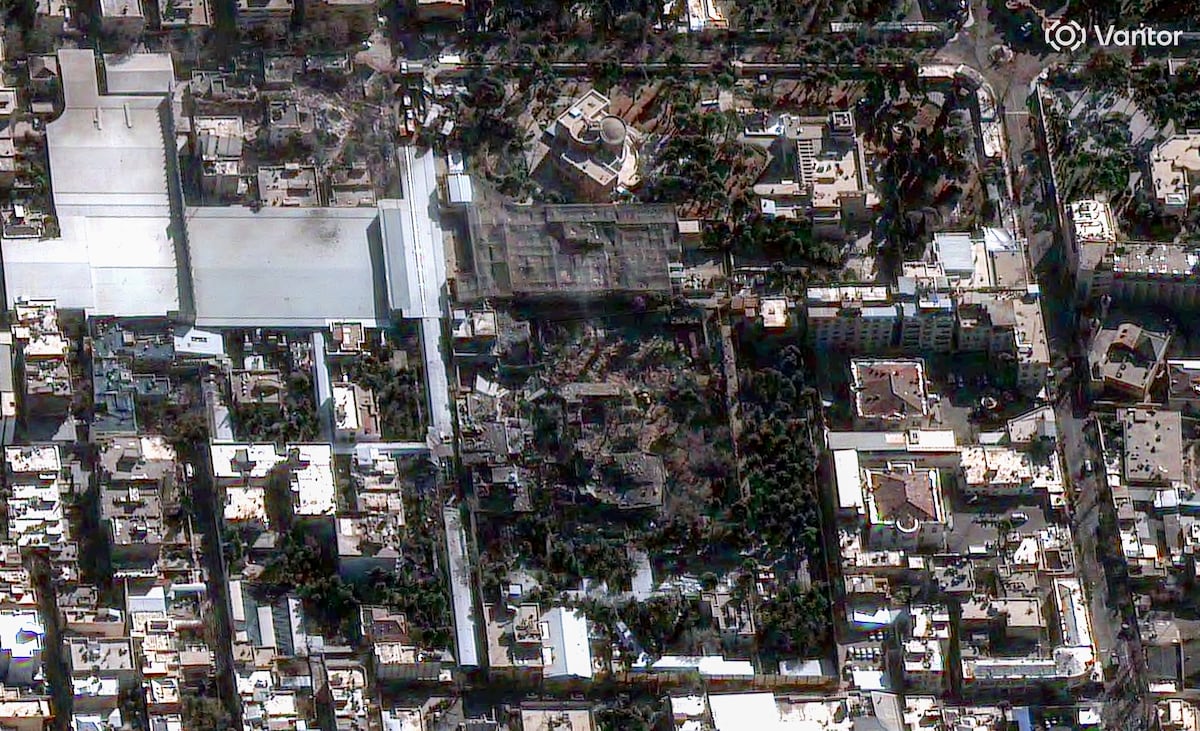
Coordinated U.S.-Israeli daylight strikes, enabled by months of CIA tracking and real-time intelligence sharing, reportedly killed Supreme Leader Ayatollah Ali Khamenei and about 40 senior Iranian figures in nearly simultaneous attacks (three strikes in three locations within a minute), while three U.S. troops were also killed. U.S. Central Command said B-2 stealth bombers hit Iran’s ballistic missile facilities with 2,000‑lb bombs; the operation heightens the risk of regional escalation, creates potential for oil-market volatility and risk-off flows, and leaves uncertainty over next steps despite U.S. officials saying Iran’s new leadership has signaled openness to talks.
Market structure: Defense primes (LMT, NOC, GD, RTX) and weapons/munitions suppliers stand to gain short-to-medium term as procurement and urgent replacement orders increase; energy producers (XOM, CVX, COP) benefit from an oil risk premium while airlines (AAL, UAL) and tourism-related names face immediate demand shocks. Pricing power shifts toward commodity producers — a $8–15/bbl premia in Brent over the next 30–90 days is credible and would add ~0.2–0.5 percentage points to US CPI over three months, pressuring real returns and lifting gold.
Risk assessment: Tail risks include regional escalation (probability ~20–35% next 30 days) that closes chokepoints (Hormuz) or triggers cyber disruption to ports/energy infrastructure, which would widen oil shocks >$25/bbl and spike equity volatility (VIX to 35–50). Near-term (days) expect safe-haven flows into Treasuries and USD (yields down 10–40 bps), short-term (weeks) expect commodity-led repricing, long-term (12–24 months) anticipate sustained elevated defense budgets (+8–12%) and re-routing of energy supply chains.
Trade implications: Tactical plays should be volatility-aware: use options to limit timing risk (see decisions). Cross-asset impacts favor gold (GLD), commodity long exposures (Brent/CL call spreads), and select long defense equities while hedging with rate-duration (TLT) or USD. Avoid pure EM sovereign credit and regional banks until geopolitical premium recedes; shipping and insurance spreads will widen, creating tradeable credit opportunities in 3–6 months.
Contrarian angles: Consensus may overpay defense equities and energy on front-run flows — if Brent fails to breach $95 within 30 days, expect mean reversion and a 10–20% pullback in those names; therefore prefer structured exposure (call spreads) over outright longs. Also, a rapid diplomatic opening (negotiations within 30–60 days) could see oil and gold unwind sharply; position sizing and explicit stop-rules are critical to avoid gap risk.
AI-powered research, real-time alerts, and portfolio analytics for institutional investors.
Request TrialOverall Sentiment
strongly negative
Sentiment Score
-0.75
