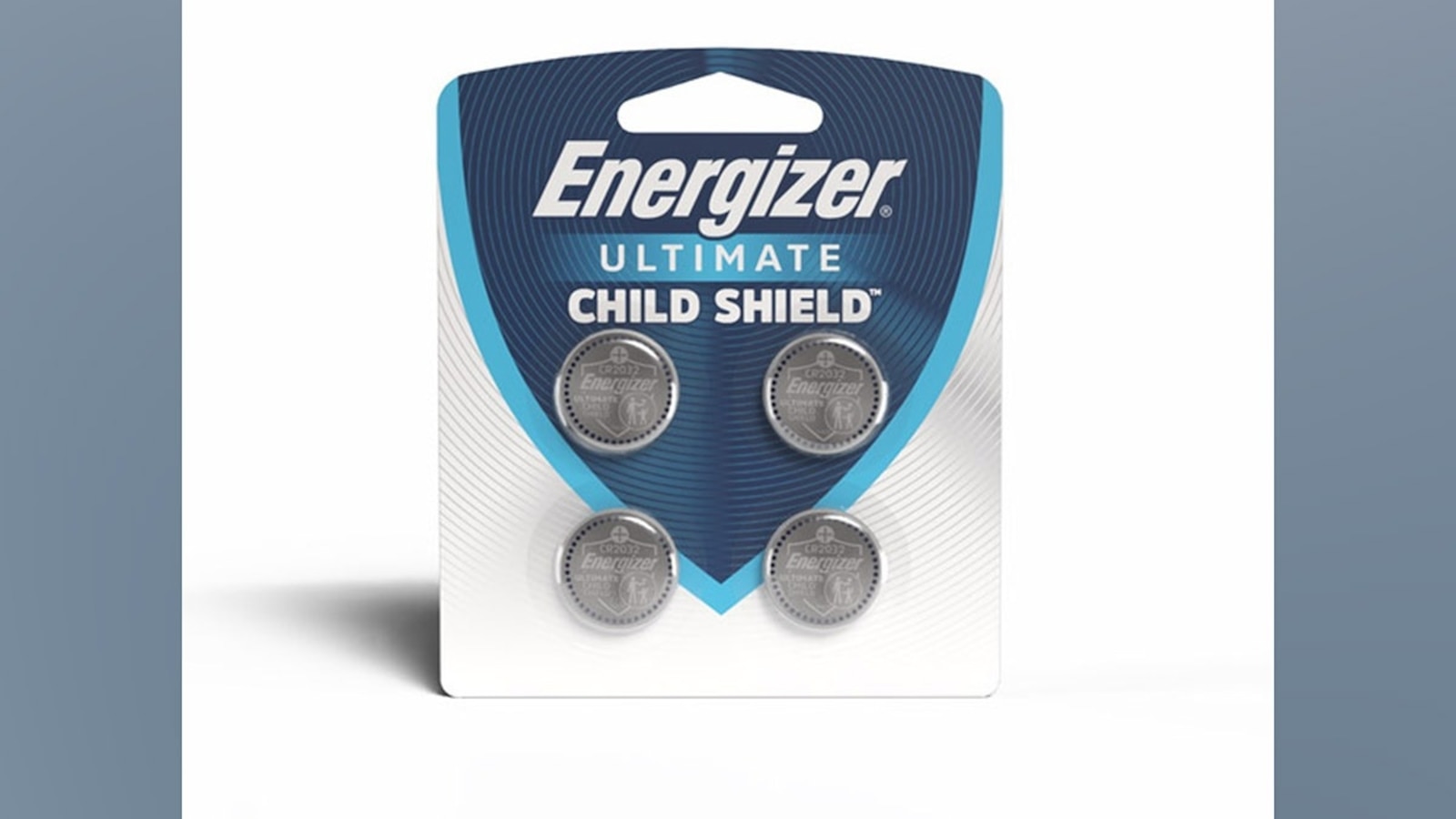
Energizer is launching its new Ultimate Child Shield coin lithium batteries in 2032, 2025 and 2016 sizes, featuring a proprietary titanium alloy and child-focused safety features. The company says the redesign could reduce burn injuries if swallowed, though doctors stress it is not a safe product for children and still poses choking/obstruction risks. The update is strategically positive for product safety and brand positioning, but the market impact should be limited.
ENR is turning a safety feature into a brand moat, but the more important implication is pricing power: if the new chemistry meaningfully lowers perceived ingestion risk, it could support modest mix shift toward premium SKUs in a category where differentiation is usually weak. The second-order winner is not just Energizer but retailers and OEM channels that can use a ‘safer by design’ label to reduce liability sensitivity and strengthen shelf placement, especially in kid-adjacent products where compliance risk matters.
The near-term catalyst is narrative rather than immediate earnings. This should improve unit elasticity only gradually, because battery replacement cycles are long and consumer trust in the claim will lag until medical and regulatory validation accumulates; the stock can re-rate on the launch, but actual revenue contribution is likely a months-to-quarters story, not a days story. The bigger upside is if this becomes an industry standard and forces slower-moving competitors to either match the chemistry or concede the premium tier.
The main risk is that the market overestimates the commercial lift from a product that remains a button battery at the point of use. If incidents continue, the launch could become a reputational liability rather than a demand driver, and any adverse testing, recall, or regulatory pushback would quickly unwind the optimism. Another underappreciated risk is margin leakage from the proprietary material and packaging stack; if the value proposition is safety-led but the cost base rises faster than pricing, the earnings impact may be muted.
Consensus seems to be treating this as a feel-good product story, but the more interesting angle is litigation and category-defense optionality. If ENR can credibly position this as the industry benchmark, it may lower tail-risk from product-liability headlines and improve the multiple even without large revenue growth. That optionality is underappreciated, especially in a market that typically values batteries as a low-growth commodity business.
AI-powered research, real-time alerts, and portfolio analytics for institutional investors.
Request DemoOverall Sentiment
mildly positive
Sentiment Score
0.25
Ticker Sentiment
