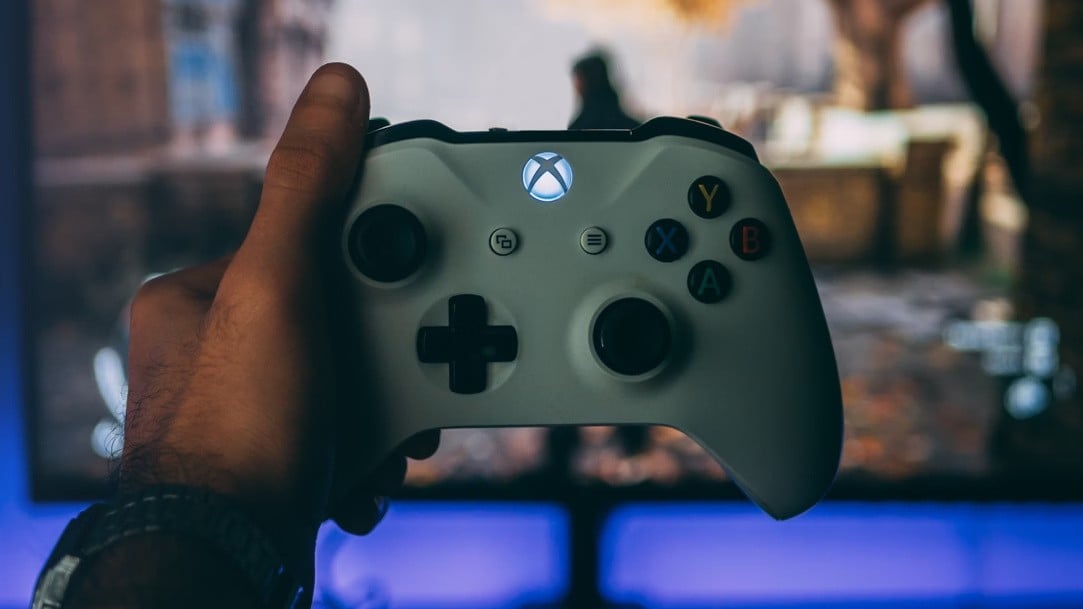
Reported details on Microsoft's next Xbox, codenamed Project Helix, indicate the console will integrate Windows and allow users to install and access multiple PC storefronts (Steam, Epic, GOG, Riot, Battle.net) with an Xbox Full-Screen Experience front-end, effectively creating a console–PC hybrid. Sourced to Windows Central's Jez Corden and described as unconfirmed and still in development, the shift could materially affect digital distribution and competitive dynamics among game storefronts if validated, but the lack of official confirmation limits near-term market impact.
Market structure: If Project Helix becomes a Windows-hosted, multi-store console, winners are GPU/CPU/SSD suppliers (NVDA, AMD, INTC, STX) and middleware/porting tools; losers are closed-store console economics (SONY) and console-first exclusives that rely on walled gardens. MSFT (MSFT) gains distribution for Game Pass/subscriptions but may cede high-margin store revenue to third-party storefronts; expect downward pressure on Xbox Store take-rates within 6–18 months and a modest uplift in hardware accessory and component demand (5–15% incremental ASPs for GPUs/SSDs vs. baseline). Cross-asset: stronger demand for semis supports equity and high-yield credit in semis, modest positive impulse to CAD/AUD via commodity-linked capex, negligible sovereign bond impact short-term.
Risk assessment: Tail risks include regulatory intervention (EU/US antitrust) if exclusives or bundling arise, platform fragmentation causing developer withdrawal, or performance failures leading to reputational hit — probability ~10–20% over 12 months but high impact. Immediate (days-weeks) effects are muted; short-term (3–6 months) hinge on official MSFT spec release; long-term (12–36 months) depends on developer support and install base conversion rates. Hidden dependencies: driver/OS update cadence, game certification, and retailer relationships; supply-chain constraints for discrete GPUs could bottleneck adoption.
Trade implications: Favor semiconductor/PC-peripheral exposure: nimble 1–3% longs in NVDA and AMD as 6–12 month plays; overweight LOGI and STX for accessory/SSD upside. Consider short/hedge: small short vs. SONY (SNE) of 1% notional or buy-put protection if MSFT confirms wide PC openness. Use options: buy 3–6 month NVDA call spreads (10%–25% OTM) to express upside with limited capital; if volatility spikes, sell premium via covered calls in 3–4% increments.
Contrarian angles: Consensus underestimates cannibalization of MSFT store revenue and potential developer fragmentation — MSFT may face lower service margins even as hardware sales rise. Historical parallel: Valve’s Steam Deck expanded PC gaming but didn’t collapse consoles; outcome may be complementarity, not substitution, so pure console shorts (SONY) may be overdone. Unintended consequence: increased piracy/cheating risk on open Windows devices could raise operating costs for MSFT and publishers, compressing margins 100–300bps over 12–24 months.
AI-powered research, real-time alerts, and portfolio analytics for institutional investors.
Request TrialOverall Sentiment
neutral
Sentiment Score
0.12
