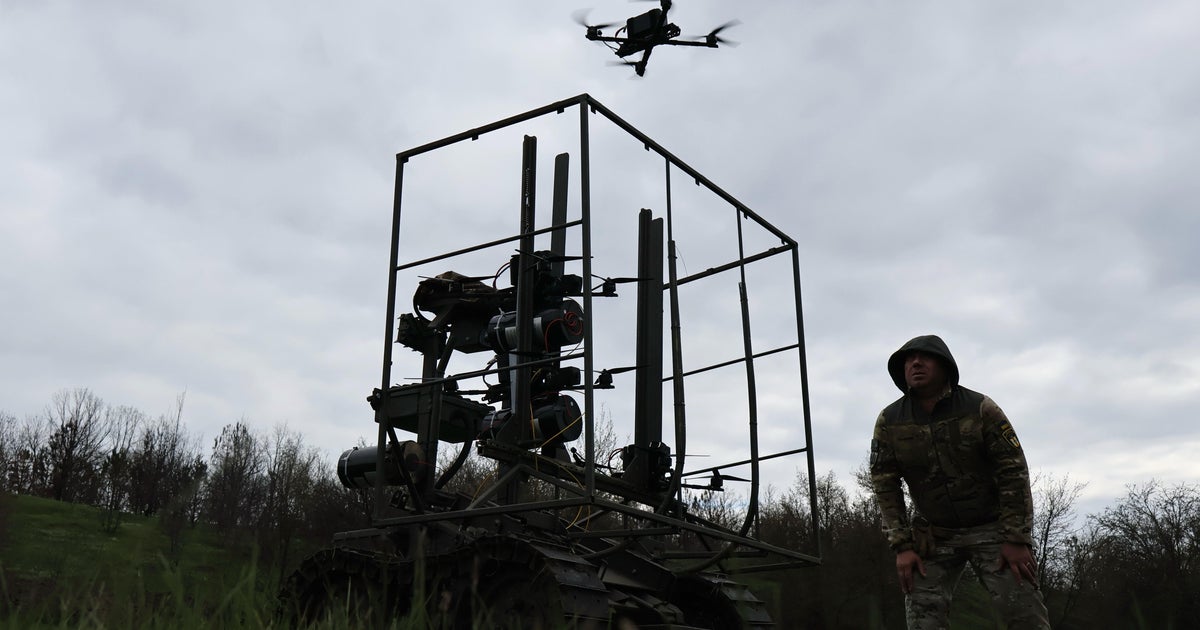
At least 4 people were killed and 12 wounded in one of the largest Ukrainian drone attacks on Russia since the start of the war, with 556 drones destroyed over Russia overnight and more than 1,000 reported shot down or jammed in the prior 24 hours. Moscow reported damage near an oil refinery but said the refinery’s technology was not harmed; Sheremetyevo airport also reported drone debris on its premises without damage. Ukraine said Russia launched 287 drones overnight, injuring 8 people in Dnipropetrovsk and damaging residential buildings in three locations.
The market is likely underpricing the shift from episodic disruption to persistent infrastructure attrition. Strikes deep around Moscow expand the target set from frontline military assets into command, logistics, and confidence-sensitive nodes; that tends to raise the operational cost of air defense, hardening, and rerouting across the entire Russian rear area. The second-order effect is not just physical damage but a higher probability of localized transport delays, refinery throughput interruptions, and elevated insurance/security costs that persist for weeks rather than hours.
For energy, the near-term read-through is asymmetrically bullish for refined-product complexity rather than crude itself. If Russian domestic refining and logistics become more vulnerable, product supply tightens before headline crude balances move, which can widen gasoline/diesel cracks and benefit integrated refiners with export optionality and reliable feedstock access. The bigger medium-term risk is retaliatory escalation against Ukrainian energy and transport infrastructure, which can temporarily lift European security premia and keep diesel markets tighter into the next 1-3 months.
Defense and counter-UAS names should see incremental budget urgency, but the trade is more about procurement acceleration than one-off headlines. This kind of strike reinforces the case for layered air defense, EW, and drone interception systems, especially low-cost-per-shot solutions that reduce the economic asymmetry of defense. Conversely, transportation-linked Russian assets and any European businesses exposed to Black Sea or eastern transport corridors face a fatter tail risk of intermittent disruption, even if no broad sanction change occurs.
Consensus may be too focused on the count of intercepted drones and not enough on diminishing marginal utility of air defense. Even when most drones are shot down, a small leak rate into dense urban or infrastructure zones is enough to force capex reallocation and operational friction; that is strategically meaningful over quarters, not just days. The overdone part may be immediate fear around a single-night shock, but the underappreciated part is that repeated strikes can gradually erode throughput, morale, and logistics efficiency without requiring a dramatic headline event.
AI-powered research, real-time alerts, and portfolio analytics for institutional investors.
Request DemoOverall Sentiment
strongly negative
Sentiment Score
-0.80
