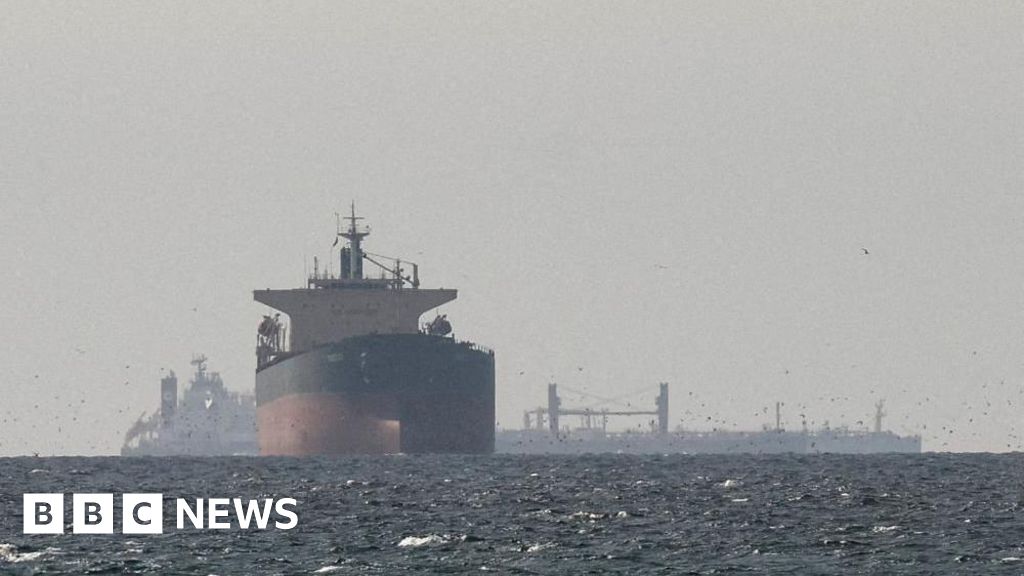
The US has blockaded Iranian ports and coastal areas, with Centcom saying no ships passed through in the first 24 hours and six merchant vessels ordered to turn back. Oil prices fell back below $100 on hopes that US-Iran talks could resume this week, but the standoff keeps the Strait of Hormuz effectively shut and raises the risk of a broader energy supply shock. The article also flags elevated recession risk from the war and renewed geopolitical friction, including fresh Israel-Lebanon negotiations after Israeli strikes on Hezbollah.
The immediate market read is that the blockade is less a one-day energy shock than a control-point risk on global flows. Even if cargoes continue to slip through, the marginal buyer now has to price in detention, insurance, rerouting, and settlement risk, which can widen differentials in physical crude, LNG, and refined products before spot headline prices fully catch up. That means the second-order winners are not just producers, but also non-Gulf barrels, tanker operators, marine insurers, and defense/logistics vendors that monetize prolonged friction rather than a clean supply outage.
The bigger medium-term risk is that a partial blockade can be more destabilizing than a clean closure because it keeps inventories from normalizing while avoiding an immediate demand destruction release valve. If talks restart within days, front-end crude may fade quickly, but freight and insurance premia often lag the diplomatic headline by 2-6 weeks, especially if shipowners keep treating the corridor as impaired. That creates a setup where oil looks “calmer” on screens while downstream users quietly absorb higher delivered costs, pressuring Asian refiners, European chemical margins, and import-dependent EM current accounts.
Consensus may be underestimating escalation asymmetry: a single incident involving a third-party vessel or a misread military interception could force a jump from blockade to overt strike risk, which would reprice the entire curve, not just prompt-month oil. Conversely, if Washington accepts a sequencing deal and loosens enforcement in exchange for nuclear concessions, the premium can collapse faster than most macro funds will be positioned for. So the trade here is not a simple long-energy bet; it is a volatility and relative-value event around narrative resolution, with the cleanest expression likely in insurance, shipping, and defense rather than outright directional crude.
AI-powered research, real-time alerts, and portfolio analytics for institutional investors.
Request TrialOverall Sentiment
moderately negative
Sentiment Score
-0.35
