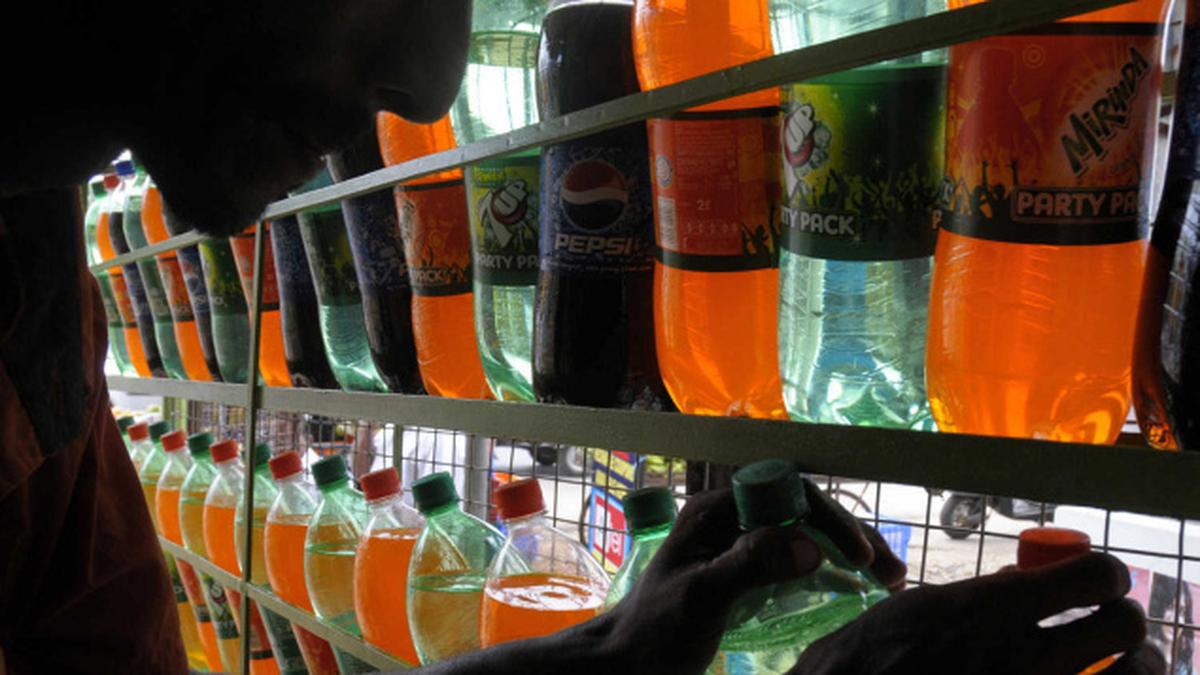
Effective September 22, 2025, the GST Council has simplified India's tax structure to two main slabs of 5% and 18%, while introducing a consolidated 40% rate for designated 'sin goods' and luxury items. This 40% slab replaces the previous 28% GST plus Compensation Cess, maintaining the effective tax incidence on products such as large automobiles, tobacco, aerated beverages, and online gaming. Concurrently, many common household goods and basic food items have been moved to reduced or zero-GST categories, potentially lowering consumer costs and influencing spending patterns across various sectors.
The GST Council has enacted a significant tax structure simplification, effective September 22, 2025, by consolidating multiple rates into two primary slabs of 5% and 18%, alongside a 40% rate for 'sin' and luxury goods. Crucially, the 40% slab is not a new tax imposition but a consolidation of the previous 28% GST and the Compensation Cess, effectively preserving the existing tax incidence for affected sectors. These sectors include large automobiles (e.g., cars with engines over 1200cc petrol or 1500cc diesel, motorcycles over 350cc), aerated and caffeinated beverages, tobacco products, and online gaming and betting services. Concurrently, the reform is poised to be disinflationary for a broad basket of consumer goods, with items like soaps, shampoos, small cars, and televisions moving to lower 5% or 18% slabs. The move to a zero-GST category for select basic food items further supports this outlook. This bifurcation in tax treatment will likely amplify the divergence in performance between mass-market consumer sectors and the 'sin'/luxury goods industries, creating distinct tailwinds for the former while providing regulatory clarity, but no relief, for the latter. The implementation for tobacco products remains on a delayed timeline, and alcohol continues to be outside the GST purview, subject to high state-level taxation.
AI-powered research, real-time alerts, and portfolio analytics for institutional investors.
Overall Sentiment
moderately positive
Sentiment Score
0.45
