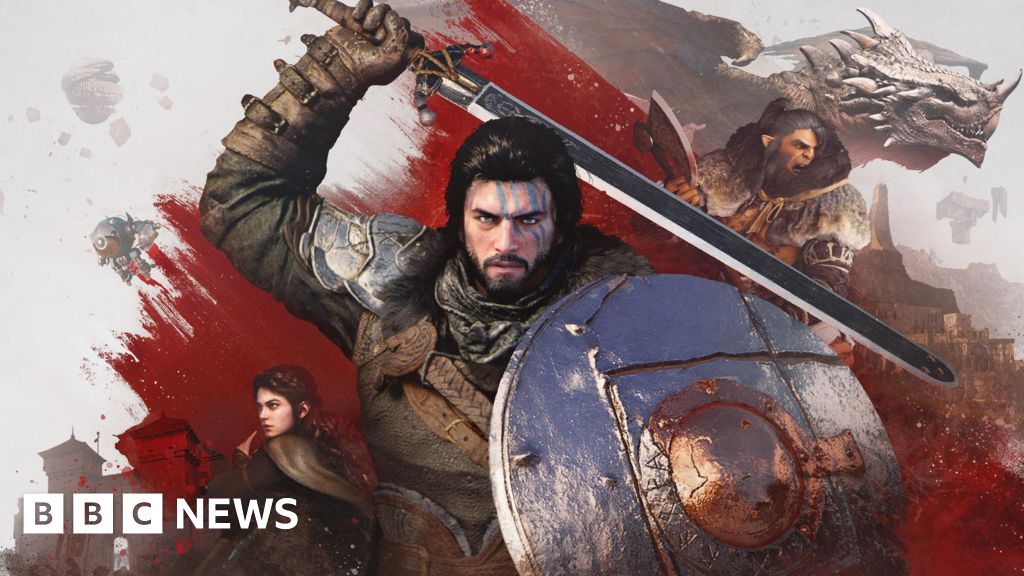
Metacritic places Crimson Desert at 78/100 with reviewers praising graphics and scope but delivering mixed opinions on story and cohesion. Korean media reported Pearl Abyss shares dropped ~30% after the 'disappointing' critical reception, though the game is currently #1 on Steam and may still sell strongly. Comparable hit Black Myth scored 81 on Metacritic and shifted 20 million copies in one month, suggesting high sales potential despite mixed reviews; pre-download players can start at 22:00 GMT.
A “do-everything” AAA approach is not binary success/failure — it fragments addressable demand into clusters (hardcore combat loop, exploration/collectors, casual mini-games, streamable spectacles). That fragmentation lowers average playtime per feature but increases cross-section reach; the key KPI to watch is active unique feature adoption (percentage of buyers using >3 distinct systems) rather than aggregate playtime. Expect winners among firms that monetize breadth (live services, cosmetics, DLC) and losers among single-release small studios that funded scope with one-time revenue expectations.
Hardware and middleware implications are under-appreciated. A blockbuster that nudges a material cohort of users to upgrade GPUs or SSDs creates a multi-quarter tailwind to suppliers — but the uplift is non-linear: 1–2% of PC players upgrading can move a GPU cycle into multi-month elevated demand, supporting component pricing and channel restocking. Conversely, if early engagement metrics fall short and refunds spike, retail channels will accelerate discounting, creating negative margin pressure for smaller publishers and platform holders with looser revenue-sharing.
Near-term risk profile is concentrated in week-1 metrics; refund rates above a low-single-digit percentage, sub-30% 7-day DAU retention, or streamer abandonment within two weeks are credible catalysts for downward revisions in next-quarter guidance. Over 6–12 months the binary outcomes widen: a sustained niche community + strong live-service monetization can produce durable multi-year cash flows, while poor retention forces write-downs of sequel and live-op budgets. Regulatory and consumer-backlash tail risks (monetization optics, refund policy changes) can compress multiples quickly for mid-cap game publishers.
The market consensus is polarized (either cresting praise or harsh dismissal) and misses the asymmetric payoff structure: middling critical reception with platform-top sales often still funds sequels and DLC that compound value. That suggests event-driven opportunities: price dislocations in small/EM-listed studios and optionality purchases on platform/tech suppliers that capture the hardware and monetization upside while limiting exposure to content-level risk.
AI-powered research, real-time alerts, and portfolio analytics for institutional investors.
Request DemoOverall Sentiment
mixed
Sentiment Score
0.00
