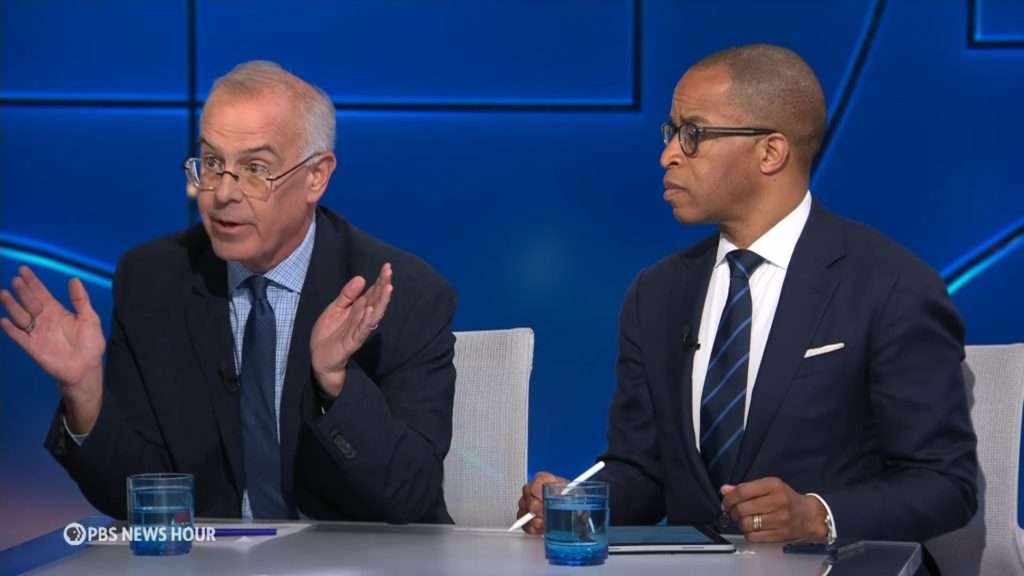
Pentagon officials say an extra $200 billion may be needed to continue the war in Iran as the conflict approaches one month, while U.S. gasoline prices have risen roughly $1/gal since the war began on Feb. 28. Commentators warn the conflict risks prolonged multiweek-to-multimonth operations (e.g., clearing the Strait of Hormuz), ongoing damage to Gulf oil infrastructure, and significant policy/communication uncertainty from the U.S. administration, implying elevated market volatility and a risk-off posture for energy and broader markets.
Immediate market mechanics will be driven by shipping and insurance frictions that amplify a modest physical oil shock into outsized price volatility. Rerouting VLCCs around southern Africa adds ~10–20 extra sailing days and materially lifts time-charter rates and insurance premia, compressing refinery intake and elevating refined product cracks for weeks while producers with spare capacity capture outsized cashflow.
An incremental defense/fiscal impulse is the other durable transmission channel. A sustained multi-hundred-billion dollar spending wave increases Treasury issuance and term premia over quarters, structurally benefiting prime defense primes and shipbuilders while creating headwinds for long-duration assets and yield-sensitive sectors; semiconductor suppliers tied to military electronics will see pulled-forward orders and margin improvement over 6–24 months.
Key tail risks are binary and time-dependent: a short-duration localized containment (days–weeks) will unwind energy and insurance premia quickly, whereas coalition operations to clear chokepoints or a prolonged asymmetric campaign (months–years) force permanent repricing of oil, shipping, and regional capital allocation. Diplomatic mediation or rapid public-private insurance solutions are the primary reversal catalysts that could compress volatility within 30–90 days.
Consensus is overweighing a slow grind higher in energy/defense and underweighting the speed of mean reversion if a credible diplomatic settlement materializes. That creates asymmetric option-like opportunities to be long convexity into the next de-escalation while being selective in cash longs where initial moves are likely already priced into large-cap energy and obvious defense names.
AI-powered research, real-time alerts, and portfolio analytics for institutional investors.
Request DemoOverall Sentiment
strongly negative
Sentiment Score
-0.60
