

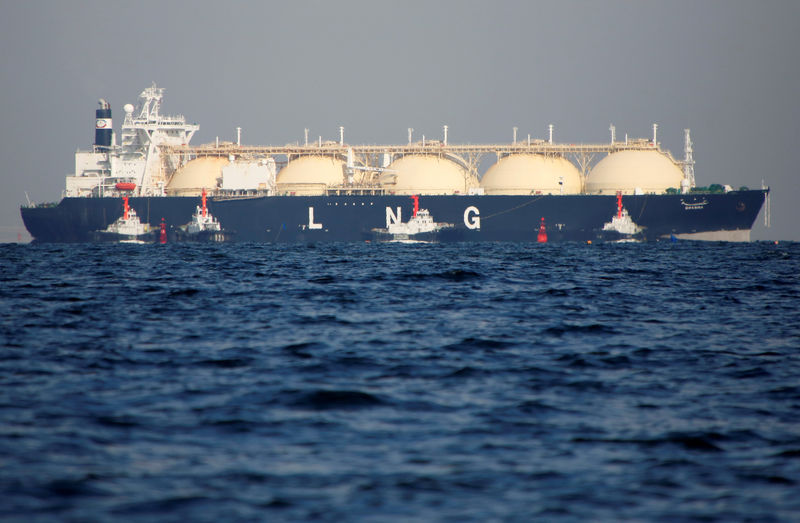
U.S. natural gas futures rose 1.2% to $2.68/MMBtu after Iran said the Strait of Hormuz was reopened to commercial shipping during a temporary ceasefire, easing immediate supply-risk concerns while keeping markets volatile. LNG exports remain near record levels at 18.9 bcfd in April 2026, and the EIA expects net exports to rise 10% to 18% by 2027. Despite the relief, global gas prices are still elevated versus pre-war levels and supply disruptions in Europe and Qatar keep geopolitical risk premium in place.
The market is treating this as a binary de-escalation trade, but the more durable signal is that gas has become the marginal geopolitical hedge while oil is increasingly headline-sensitive. A temporary reopening of a chokepoint does not restore lost reliability: shippers, insurers, and LNG cargo schedulers will still price in a higher disruption premium for weeks, which supports Atlantic Basin gas spreads even if outright crude retraces further. That matters because gas is now the cleaner expression of Middle East risk than oil; the supply chain damage from any renewed interruptions would show up first in delivered LNG differentials and only later in benchmark futures.
The second-order winner is not just upstream gas but any balance-sheet-sensitive company with exposure to a sustained forward curve, because the spot spike can feed into strip expectations if storage remains tight into summer cooling demand. Conversely, the market may be underestimating how quickly a ceasefire headline can fade if talks stall: a one- to two-session washout in oil would likely be buying opportunity only if there is no corresponding improvement in infrastructure security. The key tactical tell is whether front-month gas holds above the recent breakout while deferred contracts lag; that would signal a real tightening of prompt balances rather than pure geopolitical froth.
The contrarian view is that consensus is overweighting the supply-shock narrative and underweighting policy/negotiation risk. If Washington and Tehran move toward a sanctions-relief framework, the market could reverse the risk premium faster than fundamentals would imply, especially in crude where spare capacity and inventory optics are more accommodating than in gas. That asymmetry argues for expressing the view through options and relative value, not outright directional beta.
AI-powered research, real-time alerts, and portfolio analytics for institutional investors.
Request TrialOverall Sentiment
mildly positive
Sentiment Score
0.15
Ticker Sentiment
