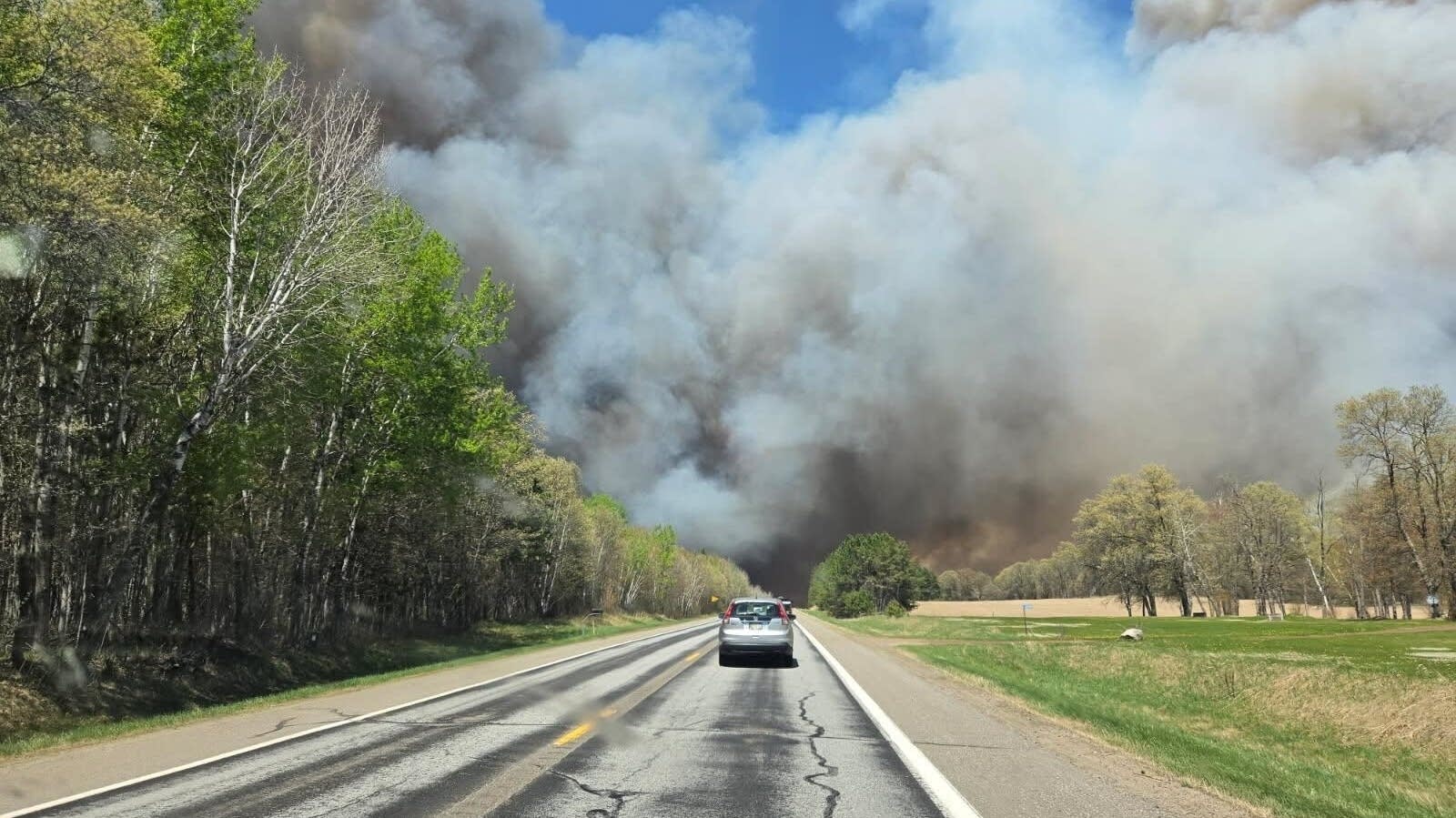
Crews are still battling the Flanders Fire in Crow Wing County, with evacuation orders remaining in place. The article signals an ongoing wildfire emergency and continued disruption for affected residents and local infrastructure. Market impact is limited and mostly local, but the situation remains materially negative for the region.
A regional wildfire becomes an economic event only when it persists past the initial suppression window. The key market issue is not the burn area itself but the duration of evacuation and access restrictions, which can turn a short-lived local shock into a multi-week drag on timber, construction, trucking, and rural retail activity in the surrounding county. The second-order effect is usually margin pressure rather than outright revenue loss: delayed deliveries, higher fuel burn from rerouting, and temporary labor shortages can ripple through small-cap local operators faster than national benchmarks capture.
The cleanest beneficiaries tend to be infrastructure repair and fire-mitigation names, but the trade is more nuanced than a simple “disaster = buy defense” reflex. If the fire meaningfully stresses power lines, water systems, roads, or communications assets, you get a near-term boost in inspections, emergency maintenance, and capex approvals for utilities and contractors. That spending is often lumpy but sticky over 1-2 quarters, which can support order books even after the headline risk fades.
The main catalyst path is weather: a shift in humidity, wind, or containment progress can rapidly compress the risk premium over days, not months. The contrarian setup is that these events are frequently over-traded in defense proxies after the first headlines, while the real P&L winners emerge later in restoration and rebuild rather than the initial disaster response. If evacuation orders lift quickly, the opportunity becomes a fade of the event-driven spike; if containment stalls, expect a broader local credit and insurance read-through over the next few weeks.
AI-powered research, real-time alerts, and portfolio analytics for institutional investors.
Request DemoOverall Sentiment
strongly negative
Sentiment Score
-0.50
