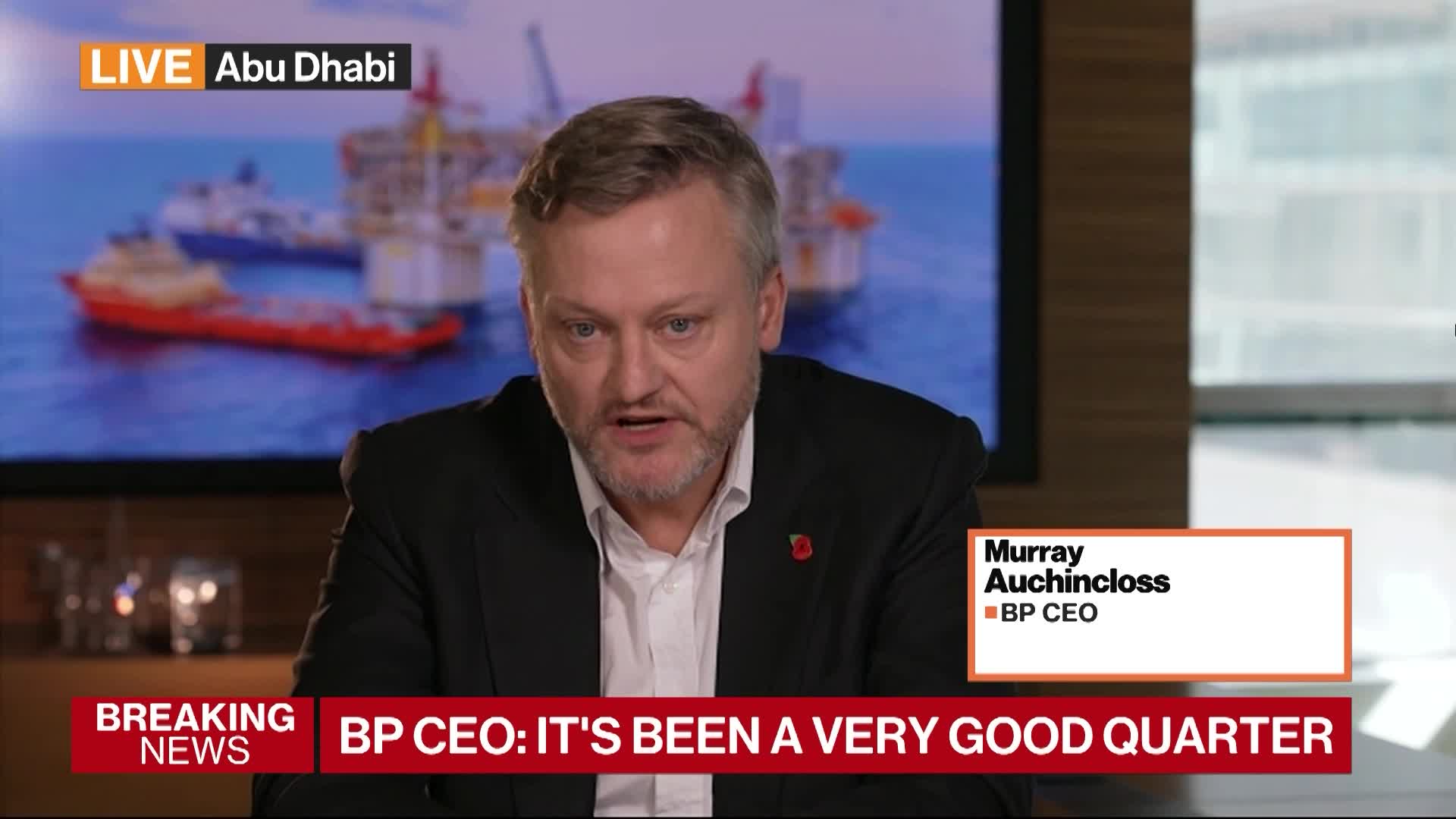
BP's CEO is reportedly discussing the company's recent profit beat, signaling stronger-than-expected financial performance, alongside updates on its Castrol brand and upstream production activities, indicating key operational and strategic focuses for the firm.
BP's CEO has announced a significant profit beat, signaling stronger-than-expected financial performance driven by robust underlying business fundamentals. This positive earnings surprise is indicative of effective operational management and potentially favorable market conditions within the energy sector.
The CEO's discussion also encompassed updates on the Castrol brand and upstream production activities, highlighting management's strategic focus on key operational segments. These areas are critical for BP's long-term growth trajectory and market positioning, suggesting a proactive approach to asset optimization and brand leverage.
The overall sentiment surrounding this news is strongly positive (0.8) and optimistic, with a high market impact score of 0.7. This suggests that the market is likely to react favorably, potentially leading to positive share price momentum and upward revisions in analyst estimates for BP's future performance.
AI-powered research, real-time alerts, and portfolio analytics for institutional investors.
Request DemoOverall Sentiment
strongly positive
Sentiment Score
0.80
Ticker Sentiment
