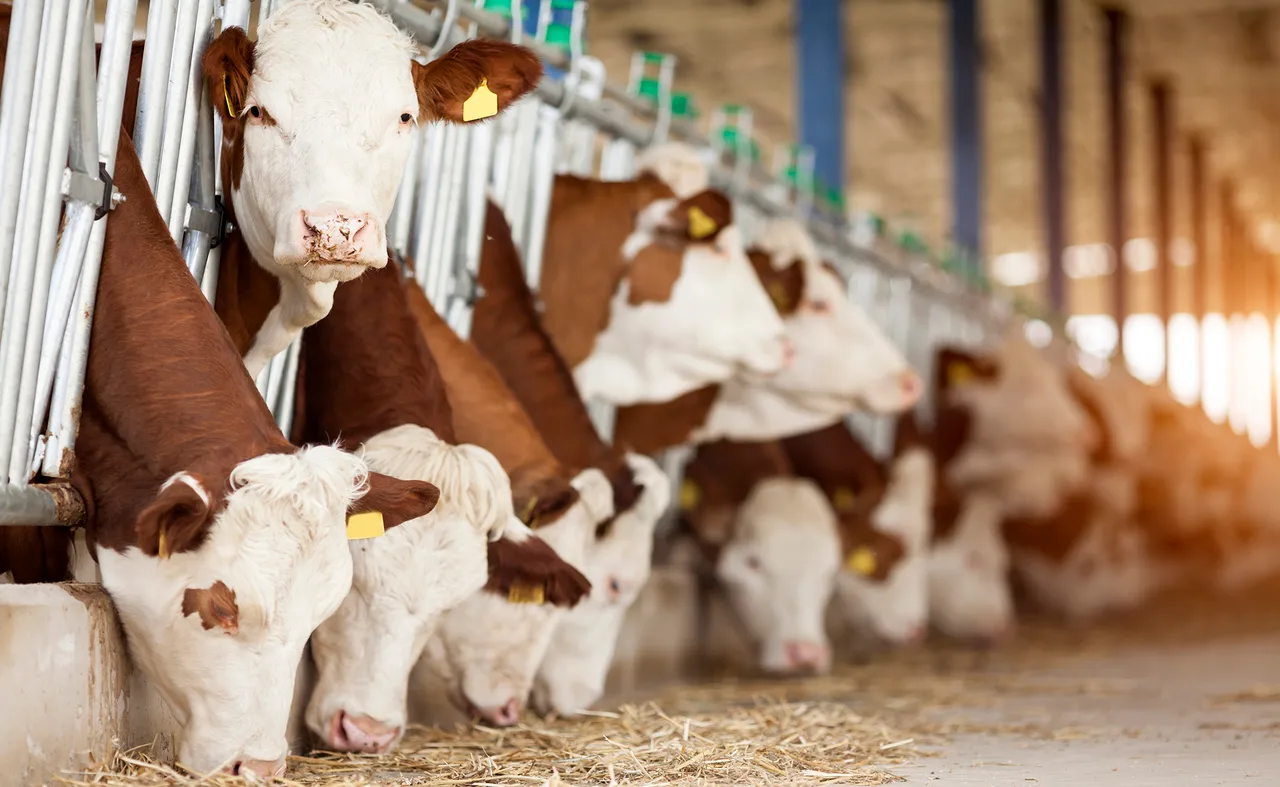
Fed cattle are trading at record levels and feeder cattle values remain strong, reflecting robust beef demand, but the piece emphasizes rising risk from drought and stockwater shortages across major cattle regions. The discussion also highlights ongoing antitrust and packer-concentration debates, plus legal and policy fights over wetlands, stock ponds, and federal grazing access. Overall, the article is a cautious market/risk-management update rather than a direct price catalyst.
The near-term read is not “higher cattle prices are bullish,” but that the market is entering a fragile peak-margin phase where physical supply tightness and weather can extend pricing power for months, while simultaneously raising the odds of a sharp liquidation once producers are forced to de-risk. In livestock, the highest prices often precede the largest hedging errors: if drought persists through the grazing season, forced placements can amplify feeder demand and keep packers short, but any meaningful moisture improvement would quickly restore pasture retention and slow the cattle pipeline.
The second-order winner is the downstream beef complex, not ranchers. Retailers, restaurants, and branded food companies with exposure to beef input costs face margin pressure with a lag, which means the pain often shows up one to two quarters after cash cattle peaks. That creates a potential relative-value setup where consumer discretionary and quick-service names with heavy beef exposure underperform broad staples if wholesale beef costs remain elevated into late summer.
The contrarian angle is that policy noise around antitrust and ownership is mostly background volatility unless it changes capital allocation or plant utilization. The real catalyst to watch is drought, because weather can change herd management decisions in days, while litigation and regulation usually move in months to years. If forecast moisture arrives, the market could quickly re-rate from “supply squeeze” to “liquidation risk,” and that reversal would likely hit feeders first, then fats, then beef processors.
For public lands and grazing disputes, the investment implication is more indirect: tighter grazing access raises the option value of private land and water rights, but also increases regional basis volatility and transport costs. The market may be underpricing that infrastructure bottleneck risk, especially if legal challenges constrain stocking capacity in the West just as feedyard demand remains elevated.
AI-powered research, real-time alerts, and portfolio analytics for institutional investors.
Request DemoOverall Sentiment
neutral
Sentiment Score
0.05
