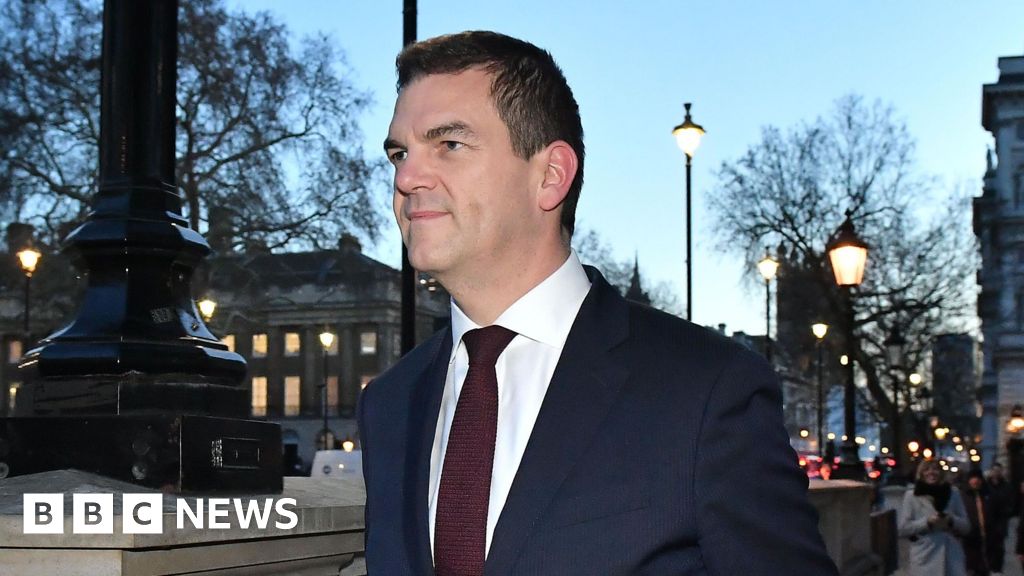
The article centers on the fallout from Sir Olly Robbins’ removal as Foreign Office permanent under secretary after a dispute over whether Lord Peter Mandelson’s failed vetting should have been shared with ministers. The issue raises questions about interpretation of the Constitutional Reform and Governance Act 2010, disclosure obligations, and ministerial oversight. Market impact is limited, but the story may add political pressure on the UK government ahead of further parliamentary scrutiny.
This is less a clean governance story than an institutional trust shock: the market implication is not the personnel change itself, but the signal that ministerial accountability and civil-service discretion are now in open conflict. That raises the odds of a broader process review across Whitehall, which is usually a near-term overhang for policy execution even if it does not change economic policy direction. In UK assets, the first-order effect is modest, but the second-order effect is a higher probability of slower decision-making on politically sensitive appointments, procurement, and regulatory approvals for several weeks.
The biggest near-term loser is the government’s credibility premium, because the narrative invites a drip of procedural disclosures that can keep the issue alive through multiple parliamentary sessions. That matters for domestically sensitive sectors where state interaction is material: defense procurement, utilities, infrastructure, and media/regulatory names can all see headline risk if ministers become more defensive and bureaucrats more cautious. The more interesting dynamic is that this may strengthen the hand of regulators and civil servants in the short run, making any easing of policy constraints less likely until the story fades.
The contrarian read is that this is probably too narrow to move macro UK risk assets unless it widens into a wider ethics or appointment scandal. If the testimony is perceived as vindicating the civil servant’s interpretation, the market could quickly reframe this as a governance annoyance rather than a political crisis, which would cap downside for sterling and gilts. The tradeable window is days to 2-3 weeks: the event risk is concentrated around committee testimony and Commons debate, after which attention likely reverts to fiscal and inflation data.
AI-powered research, real-time alerts, and portfolio analytics for institutional investors.
Request DemoOverall Sentiment
mildly negative
Sentiment Score
-0.15
