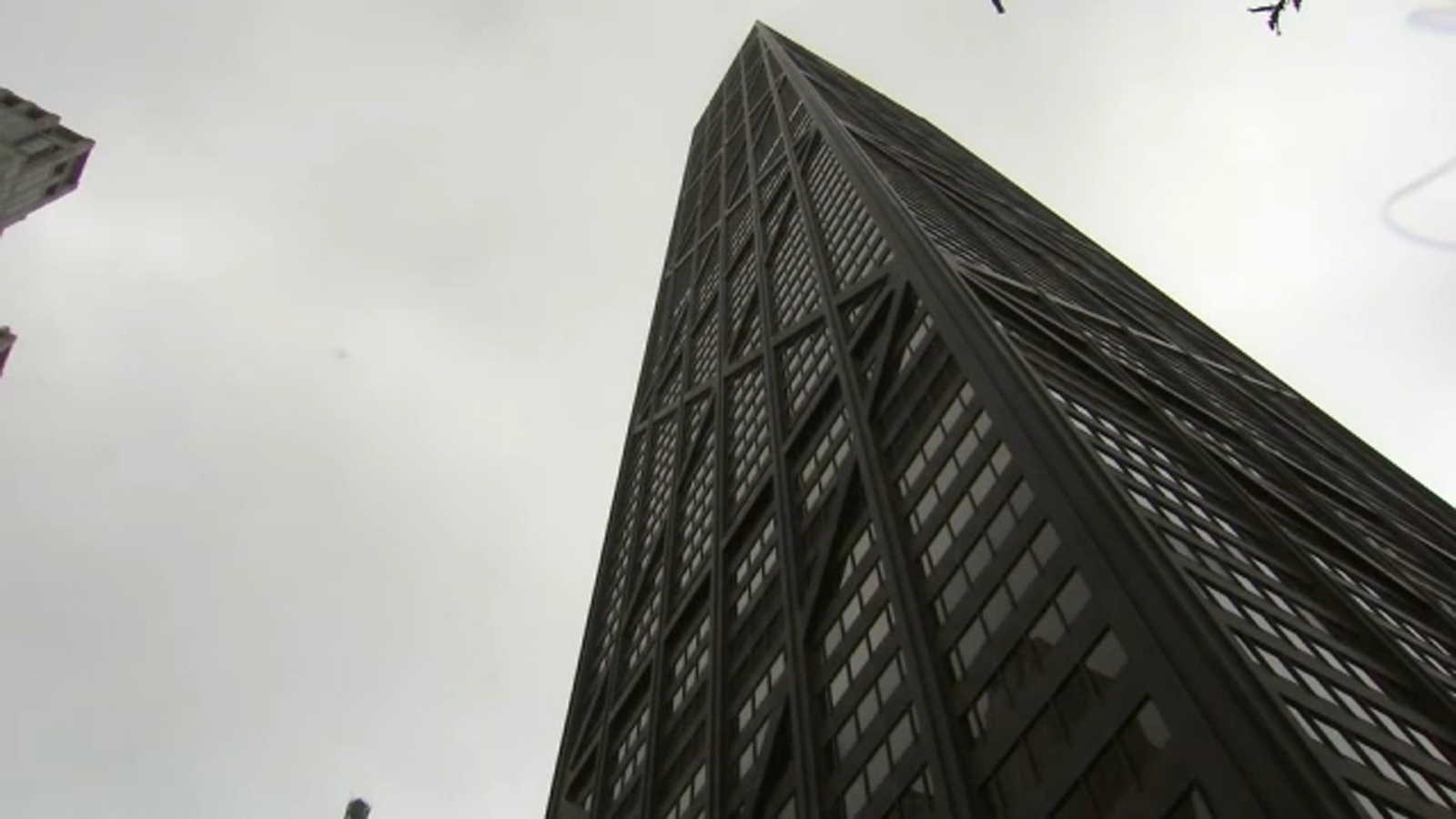
UNITE HERE Local 1 has filed a lawsuit seeking $1.5 million in unpaid wages and benefits from the former owners of Chicago's Signature Room, which closed in 2023 in the John Hancock building. The claim, reported by ABC7 with no comment yet from the owners, represents a discrete contingent liability for the proprietors but is unlikely to have material market-wide effects.
Market structure: This $1.5m backpay suit is idiosyncratic but signals asymmetric risk concentrated in independent/high-end urban restaurants and the small landlords that host them; large chains with national scale (e.g., DRI, MCD) gain relative pricing power and risk-bearing capacity. Expect modest supply-side contraction (5–15% closures in vulnerable independents over 12–24 months), tightening premium-table availability which can support menu pricing for surviving players.
Risk assessment: Tail risk is a coordinated wave of union litigation or adverse NLRB precedent that scales liabilities to hundreds of millions (e.g., 100 similar suits × $1.5m = $150m), pressuring thinly capitalized operators and pushing some into bankruptcy. Timeline: immediate market noise (days); legal discovery and contagion risk (30–90 days); structural margin/real-estate impacts (quarters). Hidden dependencies include landlord indemnities, employment-practices insurance, and local wage ordinances.
Trade implications: Tactical plays favor scale and downside protection. Long large-cap, cash-generative restaurant/hospitality names and hedge downtown retail/office REIT exposure with short-duration puts; avoid small-cap fine-dining operators whose EBITDA could be hit by a single $1–2m liability (10–30% of EBITDA for a typical independent). Monitor union filings and municipal enforcement in next 30–90 days as main catalyst.
Contrarian angles: The market may underprice consolidation upside for national chains—historically post-litigation shakeouts (post-2010 labor rulings) led to 10–30% share gains for scaled operators within 12–24 months. Conversely, over-levered downtown landlords could present buying opportunities if prices drop >10%; a disciplined patient buyer with 2% dry powder can capture outsized returns if contagion becomes systemic.
AI-powered research, real-time alerts, and portfolio analytics for institutional investors.
Request DemoOverall Sentiment
mildly negative
Sentiment Score
-0.30
