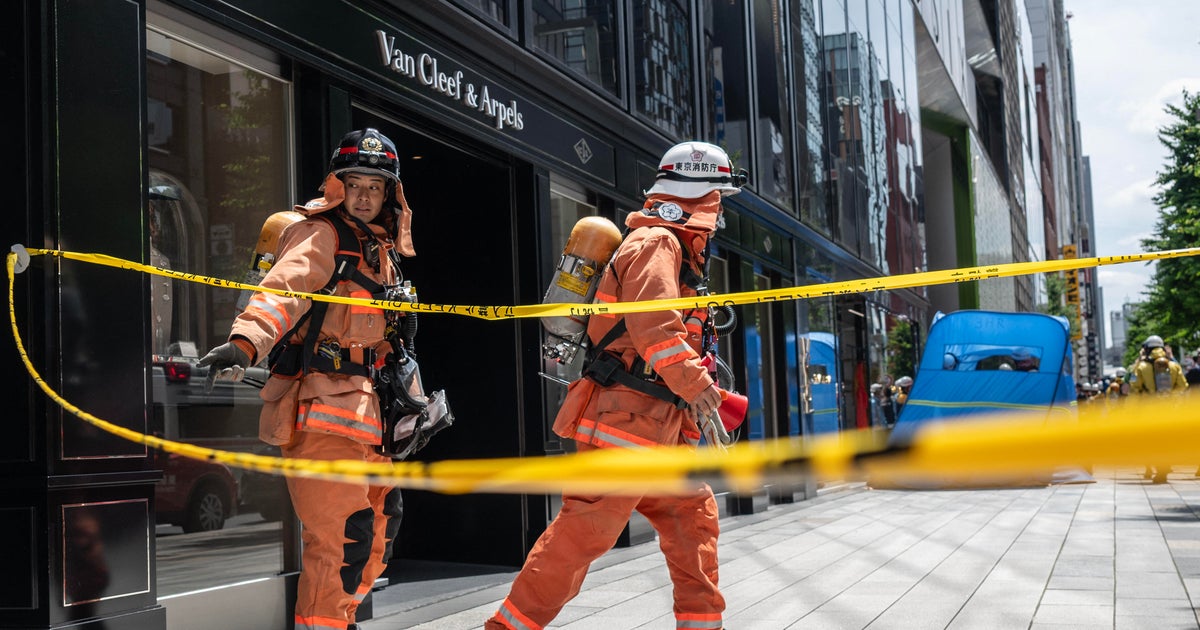
Around 20 people were injured after a man sprayed an unknown substance inside a luxury shopping complex in Tokyo's Ginza district. Authorities said the injuries appeared light, but the mall was partially cordoned off and police are investigating the cause. The incident is a localized negative for retail and tourism sentiment, though the immediate market impact is likely limited.
This is a low-probability, high-salience event that should be read less as a direct earnings shock and more as a risk premium shock to high-end urban retail footfall. Ginza is disproportionately exposed to discretionary, tourist-led spending; even a one- to two-week self-censoring effect from local shoppers and inbound tourists can matter for luxury malls because conversion depends on same-day traffic and impulse purchases, not just brand intent. The bigger second-order effect is on adjacent operators that rely on mall adjacency and shared pedestrian flows — premium hospitality, taxis/ride-hailing, and nearby department-store tenants can see a transient air-pocket even if the incident is quickly contained.
The market implication is mostly on Japan consumer names with high exposure to Tokyo flagships, especially where occupancy costs are fixed and sales are variable. If this becomes part of a broader narrative about “urban safety friction” in Japan, it can slightly slow the recovery in inbound tourism spend, which has been one of the cleaner post-reopening supports for domestic retail margins. The damage is unlikely to persist beyond days unless authorities uncover a copycat pattern, toxic-agent angle, or a repeated venue-specific vulnerability that forces tighter mall security and slower entry throughput.
The more interesting trade is not to short the whole consumer complex, but to fade the most crowd-sensitive, footfall-dependent beneficiaries of Tokyo luxury traffic on spikes. Conversely, airport- and travel-exposed names may absorb little fundamental impact because travelers substitute toward other districts rather than cancel trips outright; the real risk is a temporary shift in where they spend, not whether they come. For portfolio construction, the event supports a short-duration, event-driven expression rather than a medium-term thematic short unless follow-on incidents occur.
AI-powered research, real-time alerts, and portfolio analytics for institutional investors.
Request DemoOverall Sentiment
moderately negative
Sentiment Score
-0.35
