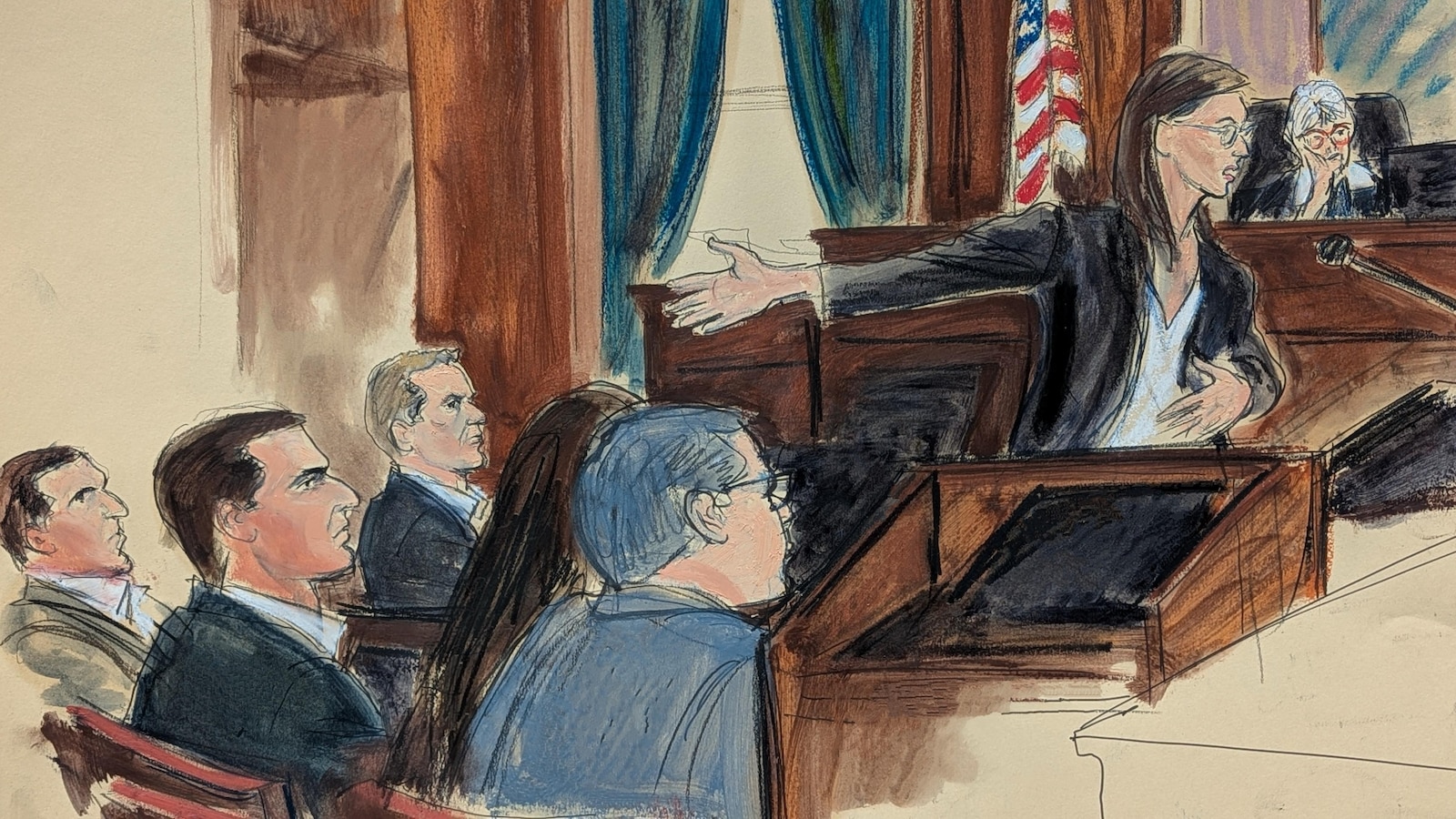
A Manhattan federal jury is deliberating criminal sex‑trafficking and related charges against brothers Oren, Alon and Tal Alexander — two high‑end real estate brokers and a private security executive — after testimony from 11 women alleging a decade‑long pattern of drugging, rape and violence; prosecutors cite a blog found on a hard drive in Tal Alexander’s apartment as part of their case. Defense attorneys dispute authorship of the blog and the sufficiency of evidence; closing arguments emphasized conflicting accounts and credibility. Separately, reality‑TV broker Tracy Tutor has filed a civil suit alleging Oren assaulted her, raising additional reputational and potential financial exposure for the individuals and their real‑estate businesses pending verdicts and possible damages.
Market structure: This is a localized reputational shock to high-end residential brokerage and referral networks in NYC/Manhattan and other trophy markets; winners are national/tech-driven platforms (e.g., Z) and discount brokers that can pick up dislocated listings. Expect a 5–20% transient reduction in ultra-luxury listing velocity in affected micro-markets over 1–3 months, with modest upward pressure on commissions for non-implicated, reputable brokers as sellers seek safer intermediaries.
Risk assessment: Tail risks include expanded regulatory scrutiny (state licensing probes, new conduct rules) and cascading civil class actions that could create $100–500m of industry-wide liabilities over 12–36 months; immediate risk window is days–weeks around the criminal verdict and new civil filings (Tutor). Hidden dependency: luxury inventory flows heavily via celebrity/celebrity-affiliated brokers—loss of a few marquee agents can cut high-end referral revenue 5–15% for boutique firms.
Trade implications: Event-driven, short-biased trades on publicly exposed brokerage names (COMP, RDFN, BID) via 3-month put spreads are preferred; hedge by going long national/tech listing exposure (Z). Pair trades: long national REITs/apartment REITs (EQR, UDR or VNQ) vs short luxury brokerage equities for 1–3 month horizons to capture rotation from bespoke services to broader housing demand.
Contrarian angles: Consensus will likely overstate contagion—if acquittal or weak civil outcomes occur the implicated equities can rebound 10–30% within 2–4 weeks (historical precedent: limited long-term market damage after sensational trials). Asymmetric, small-sized recovery plays (30–60 day call spreads) or put-write opportunities if prices collapse >25% appear attractive post-verdict.
AI-powered research, real-time alerts, and portfolio analytics for institutional investors.
Request TrialOverall Sentiment
moderately negative
Sentiment Score
-0.30
