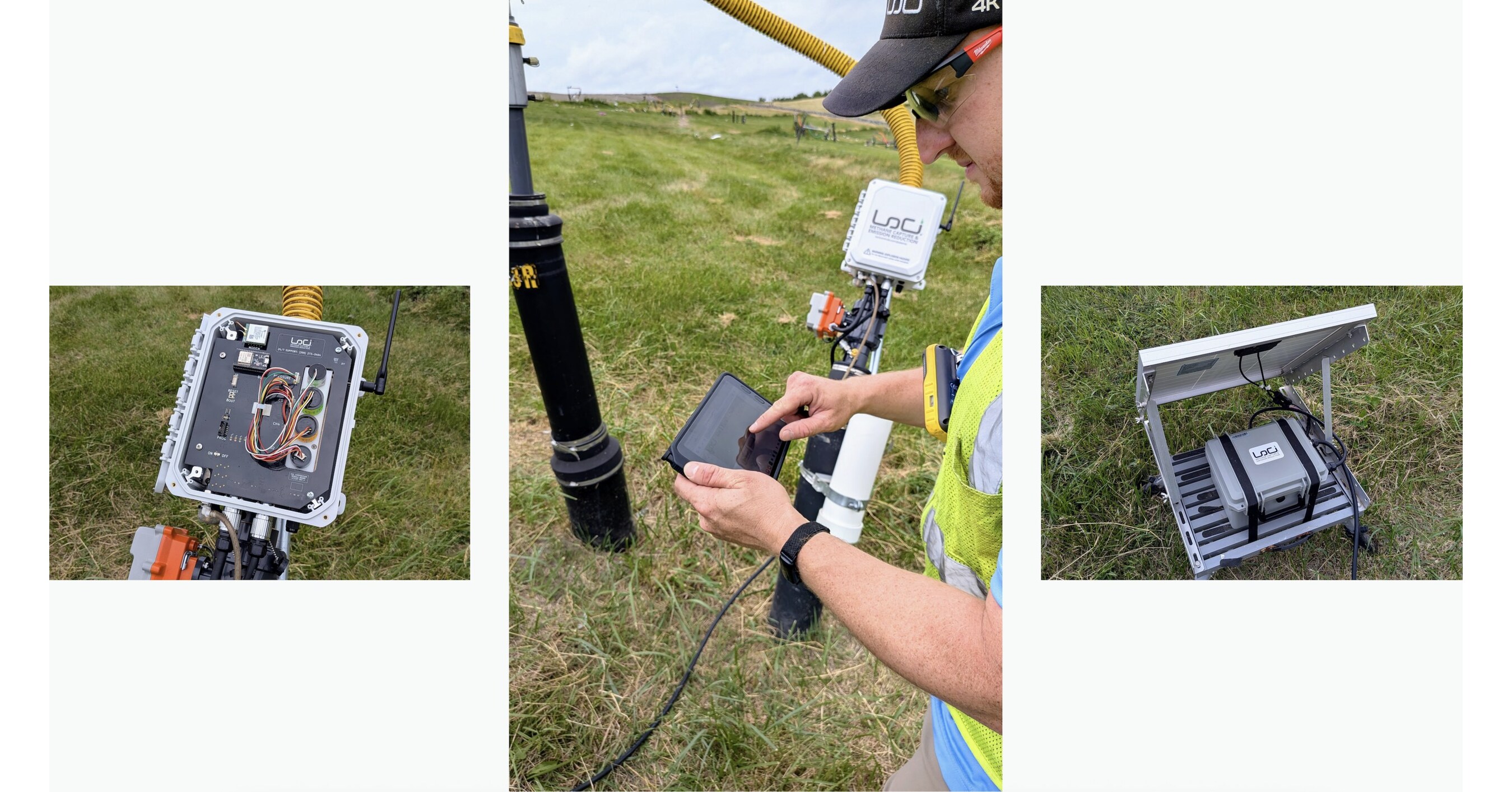
LoCI Controls launched its 8.0 Sentry and Controller landfill gas collection monitoring devices, shipping starting July 1, 2026. The redesign improves field serviceability (front-panel access to key components), cold-weather and freeze-thaw performance, and enables greater measurement frequency and faster troubleshooting via the WellWatcher platform with Bluetooth connectivity. The company claims early deployments helped operators stay within strict inlet gas specs (0.5% O2 and 1.5% N2) to support RNG production and odor control, with pricing maintained at the same level as the prior generation.
This reads more like a product-cycle upgrade than a revenue inflection, so the public-equity read-through is limited. The real economic value sits with landfill operators that are one maintenance failure away from losing RNG uptime; higher serviceability and faster onsite troubleshooting reduce lost-in-spec hours, which matters more than the launch price itself. That makes the benefit asymmetric for marginal wells and colder geographies, where a small reliability gain can preserve disproportionately large cash flow.
Second-order, the winners are likely the operators and developers with the most fragmented wellfields and the highest field-service spend; the losers are legacy maintenance workflows and any small vendors selling service-heavy hardware. If the new architecture truly lowers truck rolls, it can compress outside-service revenue even as it expands adoption of the monitoring stack, so the vendor mix shifts toward software/analytics attachment rather than hardware ASP expansion. For listed proxies, WM and RSG are the cleaner beneficiaries than NGS or TISI, but even there the uplift is likely incremental to landfill-gas EBITDA rather than material to consolidated earnings.
The contrarian point is that the market often overweights sensor accuracy and underweights the real bottlenecks: wellfield design, gas offtake economics, and regulatory enforcement. So the move is probably underwhelming for earnings, but potentially underappreciated for compliance-driven adoption over 6-18 months if methane rules tighten or RNG spreads stay supportive. What would falsify the bullish read is no visible improvement in capture rates, downtime, or repeat orders by the next two reporting cycles, especially if RNG pricing weakens and operators defer capex.
AI-powered research, real-time alerts, and portfolio analytics for institutional investors.
Request DemoOverall Sentiment
mildly positive
Sentiment Score
0.25
Ticker Sentiment
