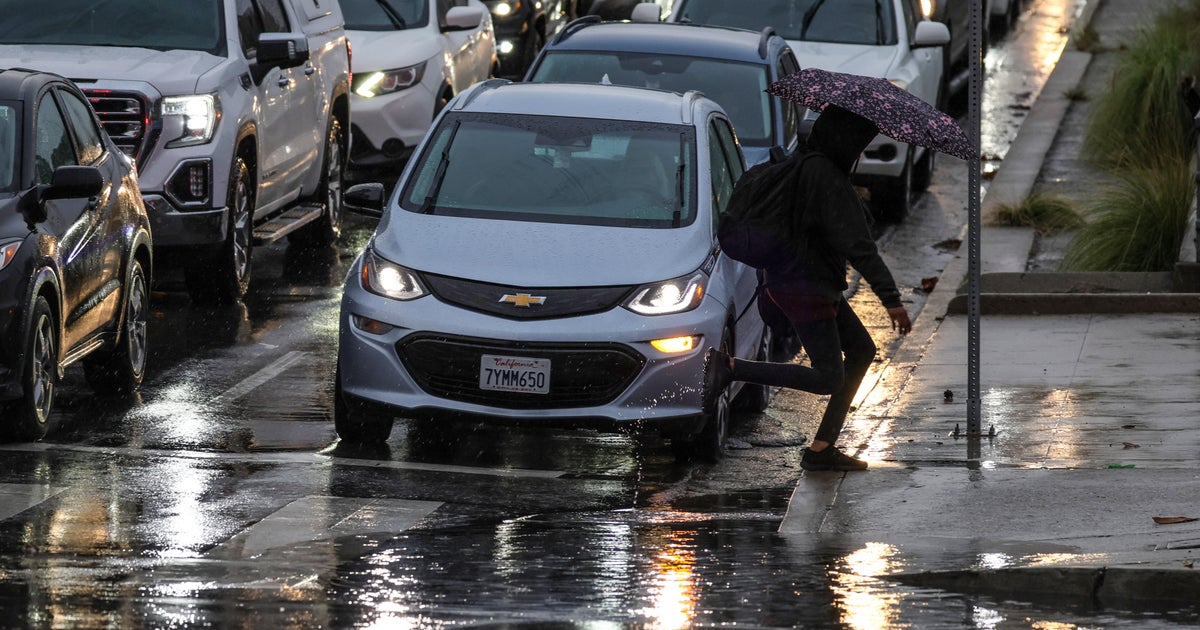
A powerful winter storm hit Southern California over the Christmas holiday with forecasts of 3–6 inches of rain in coastal/valley areas and 5–11 inches in foothills and mountains, producing flash-flood warnings, hourly rainfall rates potentially exceeding 1 inch, and gusts over 60 mph that have downed trees and power lines. Authorities issued multiple evacuation orders for burn-scar zones, closed major roads and attractions (Six Flags Magic Mountain, Knott’s Berry Farm, LA Zoo), and Gov. Newsom declared a state of emergency pre‑positioning resources (including 55 fire engines, 10 swiftwater teams and over 300 personnel); LADWP reported ~17,500 outages and initial rainfall totals up to 3.86 inches at Mount Wilson. The situation raises localized risks to utilities, transportation and regional economic activity, with implications for insurers, municipal infrastructure repair spending and short-term disruptions to travel and retail.
Market structure: Winners in the next 1–8 weeks are home-improvement retailers (HD, LOW), heavy equipment (CAT) and civil contractors (J, FLR) as emergency repair and debris removal spike demand 10–30% above baseline in affected micro-markets. Losers include regional leisure operators (SIX, FUN) with lost holiday revenue, short-term airline/regional trucking disruptions (AAL, UAL, JBHT) and city utilities (local credit stress for LADWP equivalents) facing outage restoration costs; insurance stocks (ALL, TRV, RNR) will see volatility as claims accumulate and reinsurers reassess pricing. Cross-assets: expect a small sell-off in California municipal bonds (front-end yields +10–50bp potential), a bump in implied volatility for insurers/utilities options, transient weakness in consumer discretionary, and modest upside for construction-related commodities (diesel, steel) for 1–3 months.
Risk assessment: Tail risks include catastrophic mudslides in burn-scar zones triggering multi-hundred-million-dollar insured losses and political/regulatory scrutiny of utilities (fines/capex mandates) — low probability in days but material if realized. Time horizons: immediate (0–7 days) travel/logistics disruption and option-IV spikes; short-term (1–3 months) recovery-driven revenue for construction and retail storm-goods; long-term (3–18 months) potential rate increases in insurance/reinsurance and muni issuance pressure as counties fund repairs. Hidden dependencies: FEMA/federal aid timing, reinsurance renewals Jan–Mar, and port congestion amplifying supply-chain price moves; catalysts to reverse trends include rapid drying/federal funds or a follow-on atmospheric river within 2–6 weeks.
Trade implications: Direct: overweight HD by 1–2% for 2–6 weeks to capture storm SKU sales; initiate 1% longs in J and CAT for 3–9 month recovery capex. Pair trade: long J (infrastructure) vs short SIX or FUN (leisure) to exploit asymmetric recovery exposure over 1 month. Options: buy 2–6 week put spreads on SIX (small notional 0.5–1% portfolio) and buy 3-month CAT call spreads (0.5–1%) to lever expected heavy-equipment demand; hedge CA muni duration by trimming CA-specific holdings by ~20% and moving to short-duration funds.
Contrarian angles: Consensus will price an insurance armageddon; many residential losses are flood-excluded or underinsured — if insurer drawdowns exceed 5–8% early, consider buying reinsurers (RNR) and large diversified carriers (CB) on a 1–3 month horizon for rebound as rate resets materialize. Similarly, a >40bp sell-off in front-end CA munis is likely overdone; selectively add front-line muni exposure if basis vs national widens >40–50bp, given federal/state aid prospects.
AI-powered research, real-time alerts, and portfolio analytics for institutional investors.
Request DemoOverall Sentiment
moderately negative
Sentiment Score
-0.45
