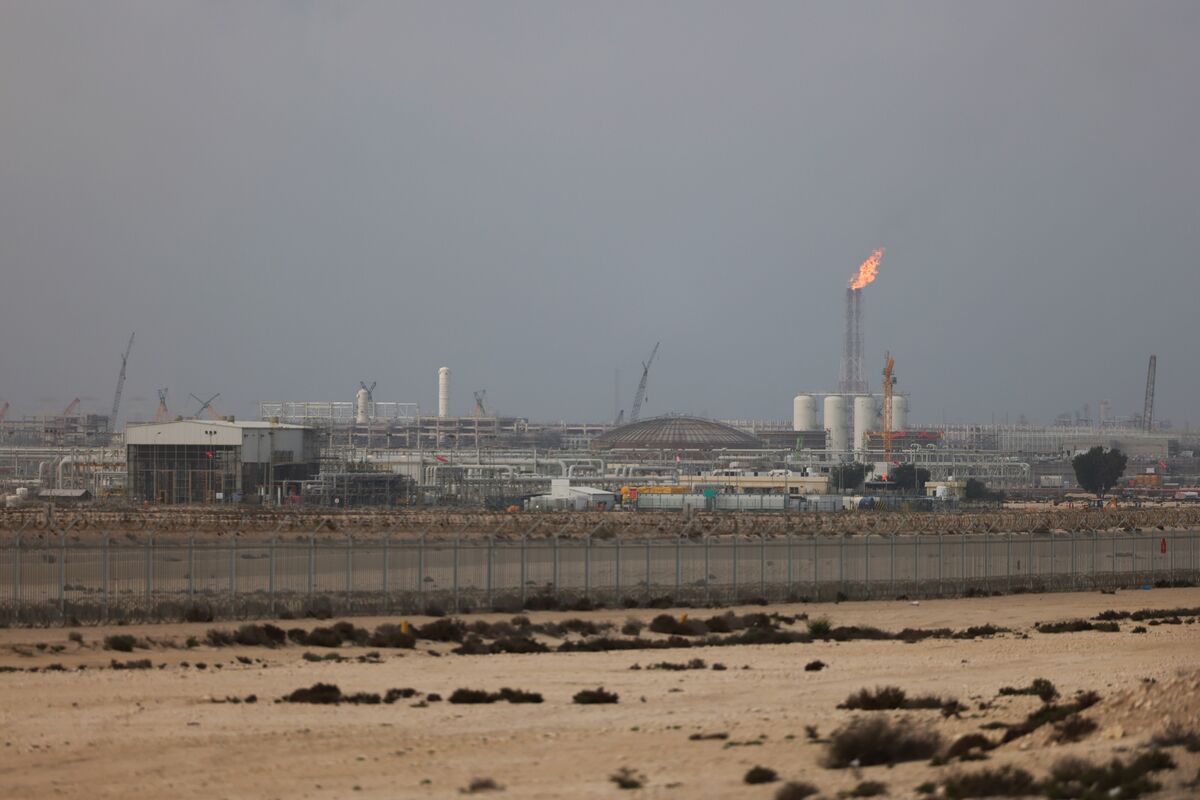
Qatar expects LNG output to return to normal within weeks as undamaged parts of the Ras Laffan facility restart following disruptions from Iranian attacks and the near-shutdown of the Strait of Hormuz. The facility’s output had been largely halted after damage to two production trains representing about 20% of total capacity. A restart would ease supply concerns in global LNG markets as peace talks between the US and Iran progress.
The immediate read-through is not just lower gas risk, but a fast normalization in the freight and power complex that had been pricing a durable disruption premium. If Qatari volumes come back within weeks, the sharpest mean reversion is likely in prompt LNG and regional shipping rates, with Europe and Asia seeing the biggest spot relief because they were most exposed to marginal cargo scarcity. That tends to compress volatility in front-month gas more than it moves the outer curve, so the better expression is in short-dated dislocation rather than a structural bearish bet.
The second-order winner is the broader risk asset basket that was being held hostage by an energy shock scenario: industrials, airlines, chemicals, and Asian importers with high gas intensity should get a modest margin tailwind as input costs retrace. The loser is the contingent premium embedded in LNG logistics and tanker availability; when the outage narrative fades, charter rates can fall faster than commodity prices because vessel demand is highly reflexive to perceived supply risk. Any reopening of the Strait also reduces the option value of strategic inventories, which can cap rallies in both LNG and crude even if the geopolitical backdrop remains noisy.
The key risk is that the market may over-discount a permanent resolution. A restart from undamaged trains does not eliminate vulnerability to renewed disruption, and a ceasefire path can still leave sanctions, inspection, or infrastructure-security issues unresolved for months. That argues for trading the compression in near-term risk premium, not betting that Middle East energy geopolitics are structurally healed.
Consensus may be too focused on the supply re-add and not enough on how quickly hedgers unwind once the worst-case tail is removed. If the market was bid on outage fear, the unwind can overshoot fundamentals for 1-3 weeks, especially in names and instruments with high beta to spot LNG rather than long-duration contract exposure. The cleaner contrarian view is that this is a volatility event fading, not a directional energy bear market unless other supply shocks fail to materialize.
AI-powered research, real-time alerts, and portfolio analytics for institutional investors.
Request DemoOverall Sentiment
mildly positive
Sentiment Score
0.15
