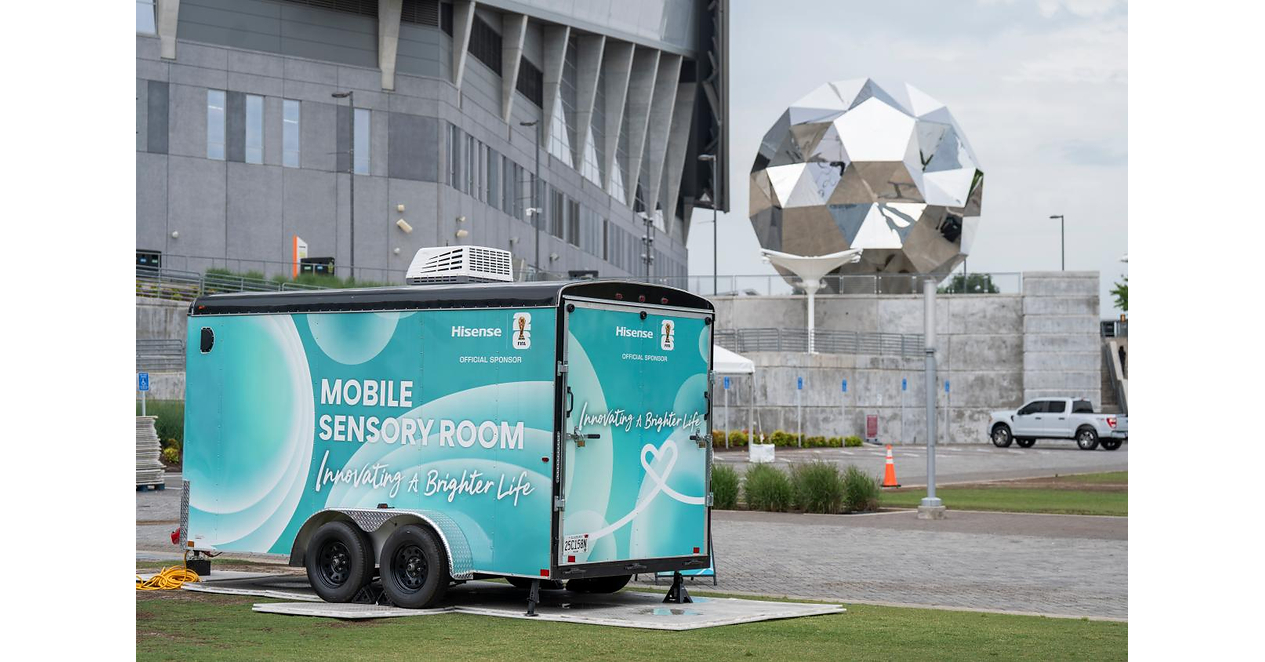
Hisense oznámila partnerství s FIFA a KultureCity pro Mistrovství světa ve fotbale 2026 s cílem zlepšit inkluzivitu pro fanoušky se smyslovou citlivostí, včetně nasazení mobilních smyslových vozidel a zřízení „klidových“ smyslových místností ve všech 16 hostitelských městech. Iniciativa využívá uklidňující vizuální efekty z displejů Hisense a má rodinám umožnit přístup k zápasům v přívětivějším prostředí. Zpráva je pozitivní z hlediska ESG/brand aktivit, ale bez uvedených finančních dopadů je dopad na trhy pravděpodobně omezený.
This reads as brand architecture, not earnings. For a consumer-electronics name, the only durable upside is if the sponsorship helps shift Hisense from a discount-TV perception to a credible premium/lifestyle brand in North America, which could support higher ASPs and a better mix in 100-inch+ displays. The mechanism is slow: retail sell-through and channel allocation matter more than publicity, so any P&L impact is likely to show up only after the 2026 event cycle and holiday 2026, not in the next quarter.
Second-order, the message is more relevant for competitors than for the sponsor itself: Samsung, LG, TCL, and even Best Buy’s premium large-screen shelf space could see slightly more promotional pressure if Hisense uses the event to justify share-gain marketing. But the spend itself is probably immaterial relative to Hisense’s global SG&A; the market should treat this as a marketing/ESG option on future share, not a hard revenue catalyst.
The contrarian view is that investors may overrate “inclusion” press releases because they are easy to announce and hard to monetize. The real test is whether large-format TV share, gross margin, and inventory turns improve into 2H26; if not, this is just brand noise. Falsifier: no evidence of U.S./global premium TV share gain, or promotional intensity rising instead of falling, by the 2026 holiday season.
AI-powered research, real-time alerts, and portfolio analytics for institutional investors.
Overall Sentiment
mildly positive
Sentiment Score
0.25
