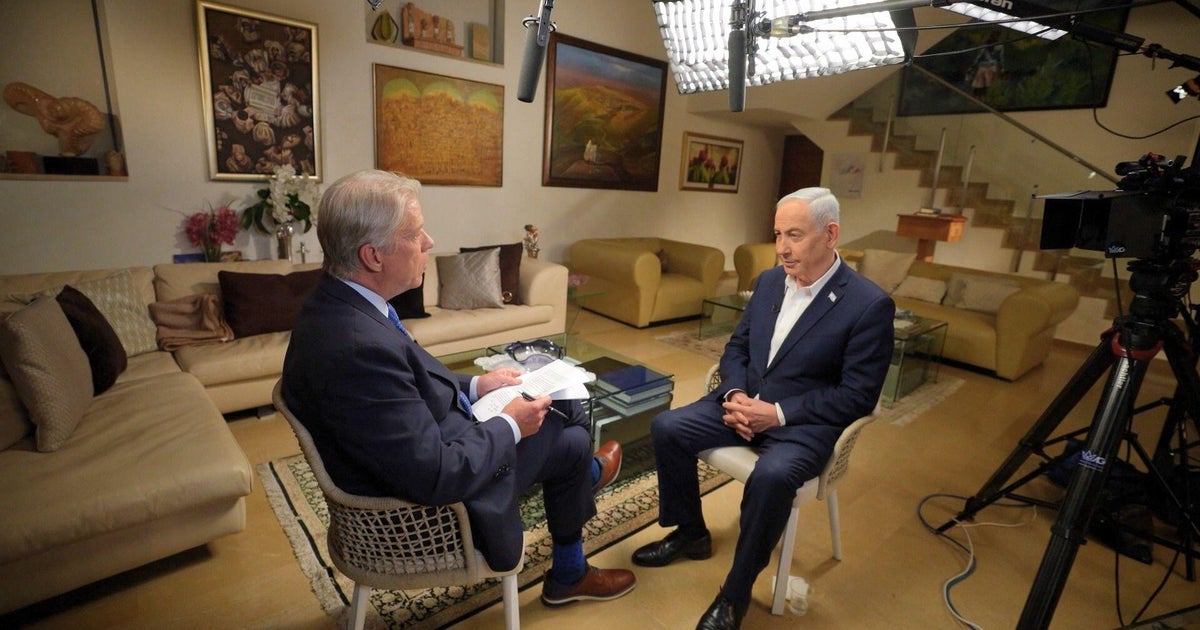
Netanyahu said the Iran war is not over, arguing remaining nuclear material, enrichment sites, ballistic missile capacity, and proxy networks still need to be dismantled, while saying military action remains an option if diplomacy and sanctions fail. He also said Israel has destroyed more than 90% of Hezbollah’s missiles and rockets, but the group still retains thousands of projectiles and drones, leaving regional risk elevated. He called for a gradual reduction of U.S. military aid from $3.8 billion a year to zero over the next decade and said China and Russia have provided some support to Iran.
The market is underpricing the duration of the sanctions/defense cycle relative to the headline risk. Even if kinetic escalation pauses, the policy architecture now points toward a multi-quarter regime of elevated Gulf insurance premia, tighter export-control enforcement, and accelerated missile-defense procurement; that tends to benefit primes with backlog visibility while pressuring transport, chemical, and industrial users exposed to regional shipping volatility. The first-order move is in defense, but the second-order move is in domestic re-shoring and inventory buffers as counterparties hedge against another supply-chain interruption.
The biggest contrarian point is that this is not a clean “war premium” trade; it’s a persistence trade. If the conflict is framed as incomplete, every ceasefire headline can become a reflationary impulse for risk assets that fade quickly, while any renewed strike cycle re-prices tail risk in energy, shipping, and EM credit. That argues for owning convexity rather than chasing spot moves: the asymmetry is in a surprise re-escalation or a failed deterrence reset, not in a linear continuation of current conditions.
For equities, the internal debate around support, legitimacy, and alliance management is likely to keep pressure on sentiment-sensitive names exposed to brand risk, particularly where consumer or university boycotts can seep into procurement decisions. Meanwhile, defense/AI crossover beneficiaries may see incremental demand as militaries reallocate toward sensing, autonomy, and counter-UAS rather than legacy platforms. The cleanest read-through is that geopolitical fragmentation is becoming a capex theme, not just a headline theme.
AI-powered research, real-time alerts, and portfolio analytics for institutional investors.
Request DemoOverall Sentiment
mixed
Sentiment Score
-0.10
Ticker Sentiment
