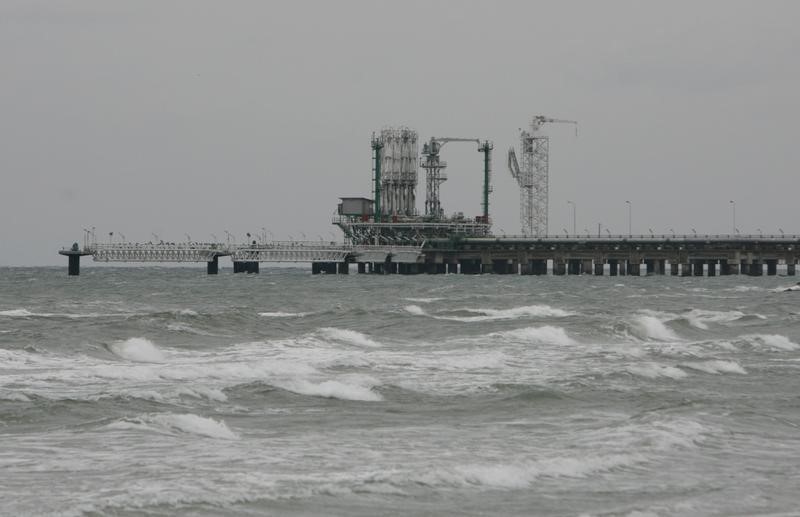
Russian gas deliveries to Europe via the TurkStream pipeline have stopped temporarily for planned maintenance from June 2 through June 10, according to ENTSOG and Bulgartransgaz. TurkStream is now the sole operational Russian gas transit route to Europe after Ukraine did not renew the transit agreement that expired on January 1, 2025. The event is operationally important for regional gas flows, but the article describes a scheduled outage rather than an unplanned disruption.
The immediate market read-through is less about European gas itself and more about the sequencing risk for regional energy prices: a temporary supply vacuum into a market that is already structurally tighter on Russian molecules. Even a short interruption can widen TTF/CEE basis spreads and lift volatility in gas-linked power pricing, which tends to filter quickly into industrial margin expectations across Central Europe. The more important second-order effect is that this reinforces the market’s dependence on LNG rerouting, so shipping, regas, and storage optionality become more valuable than simple spot exposure.
The beneficiaries are not the obvious utility equities, but the logistics stack and any balance-sheet names with flexible storage or regas capacity; the losers are energy-intensive manufacturers and CEE utilities with limited hedging cover. The geopolitical angle also matters: every maintenance-related disruption increases the probability of policy-driven stockpiling, which can keep regional gas curves backwardated longer than fundamentals alone would justify. That can support near-dated commodity and transport-volatility trades even if the outage itself proves brief.
The contrarian view is that this is a headline with a modest direct economic footprint unless the outage extends beyond the maintenance window or coincides with an early-cold-weather shock. Gas markets often overprice short interruptions, then mean-revert once flows restart, so chasing outright directional exposure without a time stop is poor risk management. The better expression is to own optionality on volatility and to position for spillovers into power, storage, and industrial hedging demand rather than trying to forecast the exact price of gas.
AI-powered research, real-time alerts, and portfolio analytics for institutional investors.
Request DemoOverall Sentiment
neutral
Sentiment Score
-0.05
Ticker Sentiment
