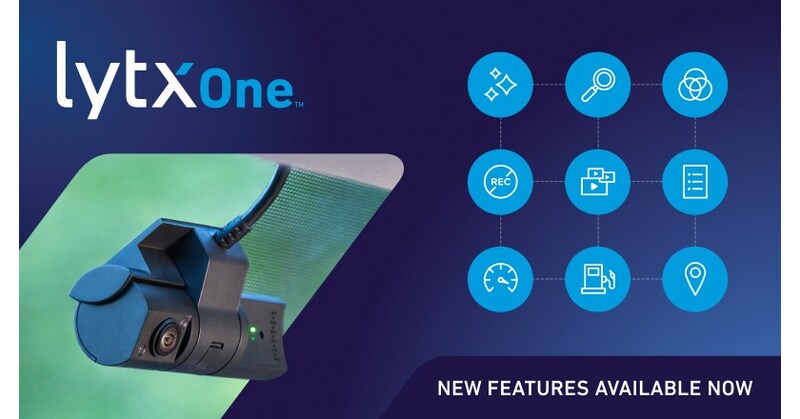
Lytx launched expanded LytxOne fleet management capabilities focused on AI-driven safety intelligence, configurable privacy controls, and risk detection without recording (e.g., “Risk ID without Recording”). The platform also adds compliance tooling by unifying ELD, DVIR, IFTA, and reporting, including automated IFTA reporting to reduce administrative work. Separately, Lytx began integrating its Driver Safety Program into LytxOne, giving existing DriveCam/Lytx+ customers ongoing access to the same program features.
This is more of a retention/upsell release than a demand event. The economic value is in reducing switching friction for fleet operators by bundling compliance, safety, and workflow into one console; that typically supports higher net retention and slower logo churn, but it does not automatically translate into faster bookings without proof that it lowers claims, admin headcount, or roadside events. In the near term, the benefit accrues mostly to the incumbent vendor and its channel, while standalone point products for dashcams, ELD compliance, and fleet analytics face tighter pricing because the buyer can now benchmark them against a bundled offer.
The bigger second-order effect is competitive: platformization favors vendors with enough installed base to cross-sell AI-assisted workflows, while niche software names risk being squeezed into add-on roles. If the product actually lowers time-to-coach or audit prep hours, that can expand ROI for regulated fleets and shorten procurement cycles over 1-3 months; if it is mostly a UI layer over existing data, the incremental value is modest and the market should fade the headline. For public comps, the clean read-through is to telematics/platform names like IOT rather than general AI or hyperscaler stocks.
Contrarian view: consensus tends to overprice "AI assistant" language and underprice implementation friction. Fleets buy on measurable insurance savings and compliance labor reduction, so the key falsifier is whether customer cohorts show better churn, higher attach, or lower incident rates over the next 2-4 quarters. Without that, this is feature parity, not moat expansion.
AI-powered research, real-time alerts, and portfolio analytics for institutional investors.
Overall Sentiment
mildly positive
Sentiment Score
0.18
Ticker Sentiment
