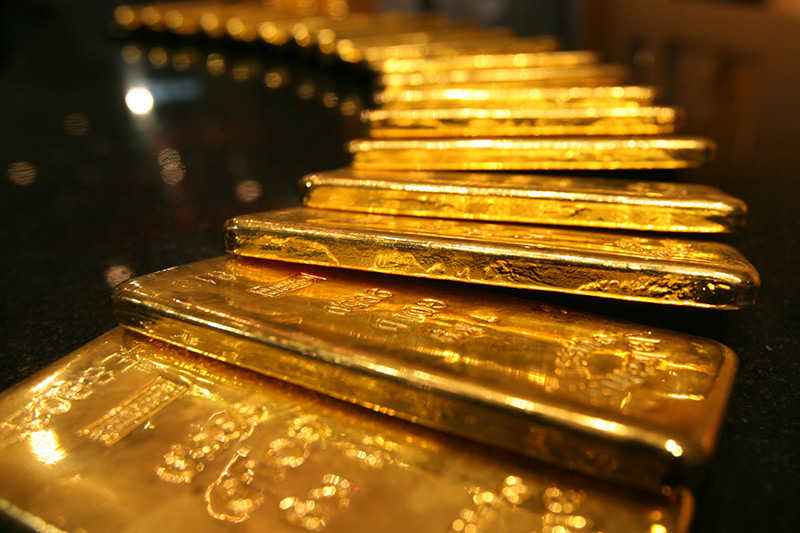
Gold steadied with spot prices up 0.2% to $4,632.46/oz and futures up 0.3% to $4,643.54/oz, but spot gold was still down about 1% for April after a near 12% drop in March. The article points to Iran war-related disruptions in crude supplies, higher oil prices, and increasingly hawkish signals from the Fed, ECB, BoE, and BoJ as key drivers pressuring non-yielding metals. Silver rose 0.9% to $74.4285/oz, while platinum fell 0.2% to $1,986.60/oz.
The more important read-through is not gold directionally but the regime shift in inflation expectations. If energy remains elevated, the first-order beneficiaries are not precious metals but balance sheets with direct commodity linkage and low fixed-cost leverage; the losers are duration assets and any rate-sensitive equity segment trading on multiple expansion. The market is also underestimating how quickly central banks can pivot from “wait for data” to “preemptive tightening” once headline energy inflation starts to contaminate wage expectations, which tends to hit gold twice: via higher real rates and via a stronger dollar.
Second-order, a persistent Hormuz risk premium is a tax on every non-U.S. industrial importer, especially in Europe and parts of Asia, where margins are already thinner and energy pass-through is slower. That creates a latent earnings downgrade cycle that is likely to show up over the next 1-2 quarters rather than immediately, because inventories and hedges delay the P&L impact. In that setup, the strongest relative winners are U.S.-centric producers and firms with pricing power; the weakest are energy-intensive downstream manufacturers and sectors reliant on falling discount rates.
For gold, the consensus is probably too focused on geopolitical fear and not enough on opportunity cost. If policy makers stay hawkish into the summer, real yields can rise even if nominal rates stabilize, which is typically the more toxic combination for non-yielding assets. The contrarian bullish case for gold only becomes compelling if the market starts pricing a growth scare or policy mistake; absent that, rallies are likely to be sold into until inflation data rolls over or the dollar weakens materially.
AI-powered research, real-time alerts, and portfolio analytics for institutional investors.
Overall Sentiment
neutral
Sentiment Score
-0.05
Ticker Sentiment
