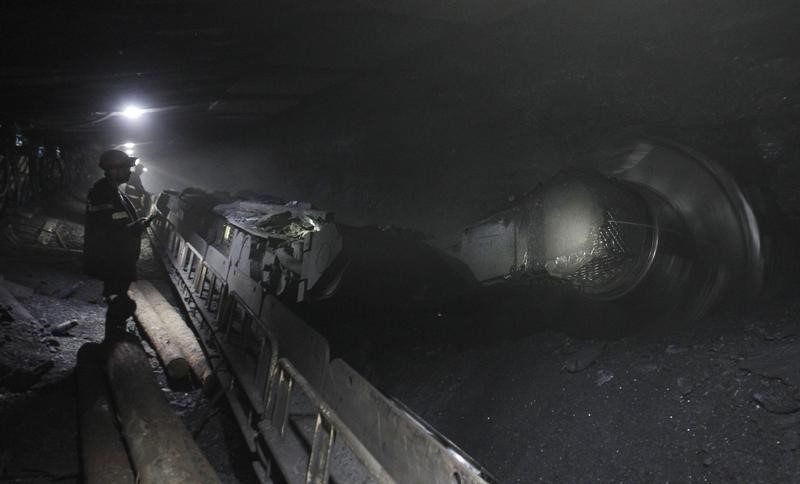
China revised the death toll from a coal mine gas explosion in Shanxi province to 82, with 2 workers still missing, 128 hospitalized, and 35 escaping unharmed. The blast at the Liushenyu mine is China’s deadliest mining accident since 2009 and has already led to shutdowns at all four company-owned mines and detentions of several executives. The incident is likely to intensify scrutiny of mining safety standards in China’s coal sector.
This is less a one-off tragic supply shock than a policy signal that China is willing to tolerate lower near-term coal throughput to restore credibility on industrial safety. The first-order volume hit is modest relative to national output, but the second-order effect is broader: a wave of inspections and administrative shutdowns can ripple through inland coal logistics, lift seaborne thermal coal import demand, and tighten power-sector procurement economics for months rather than days. The key variable is not the mine itself but whether regulators use it as a template for province-wide enforcement in Shanxi and adjacent producing regions.
The market should care most about higher-cost domestic producers and coal-coke names with weaker compliance records, not the entire coal complex. When Chinese production is interrupted, utilities typically bridge with imports first, then draw inventories, which can steepen the near-term forward curve and temporarily support Australia-linked exporters even if the structural China story remains policy-driven decarbonization. If the crackdown broadens, expect margin compression at smaller private miners, delayed capex approvals, and a near-term re-rating toward state-backed operators with better safety profiles and more secure permits.
The contrarian view is that the headline may overstate duration: Beijing often front-loads enforcement after a fatal accident, then normalizes once public attention fades. That creates a tradeable window where safety scrutiny spikes for 2-6 weeks, but the supply effect dissipates unless there is evidence of multi-province audits or repeated incidents. The bigger tail risk is reputational and policy, not physical output: if officials respond with sustained production caps, coal prices can stay firmer into winter demand season, which would matter more for power generators and steel margins than for miners alone.
AI-powered research, real-time alerts, and portfolio analytics for institutional investors.
Request DemoOverall Sentiment
strongly negative
Sentiment Score
-0.78
