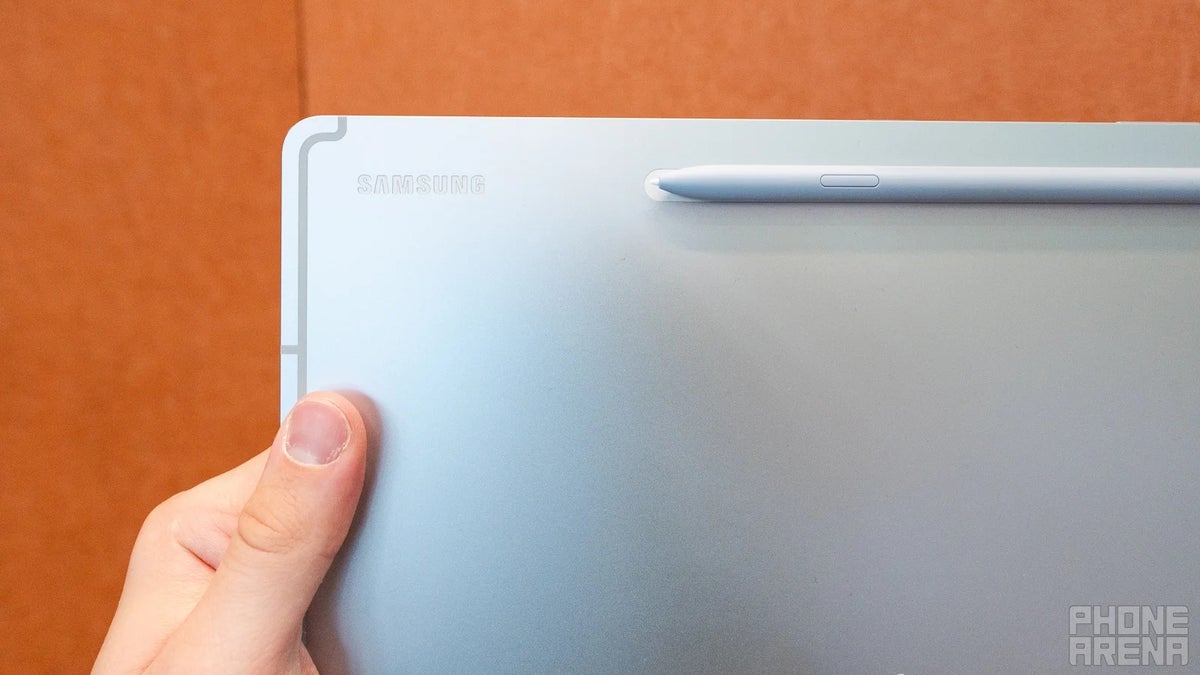
Key number: the Galaxy Tab S12+ is reported to pack a 10,392mAh rated battery (advertised ~10,600mAh), ~4–5% larger than the Tab S10+/S9+ cells, implying modest real-world endurance gains. The device is expected to ship with a MediaTek Dimensity 9500 or 9500 Plus SoC (unlikely Snapdragon 8 Elite Gen 5) and a potential September 2026 launch with a starting price speculation of $1,100–$1,200 for the smaller high-end model. Impact: incremental product upgrade likely to support Samsung's premium tablet positioning but unlikely to materially move Samsung's share price absent broader product or financial signals.
The real battleground here isn’t battery mAh — it’s SoC selection and the resulting power-efficiency delta. A single flagship design win (Snapdragon vs Dimensity) can swing incremental mobile modem, RF, and SoC revenues by high-single-digit percent for a supplier over the following 12 months; for Qualcomm that is material because handset OEM design-share changes cascade into modem and RF chip volumes and ASPs.
Second-order winners are specialist power-management and battery-pack vendors, and assemblers that can cost-effectively integrate slightly larger cells without changing mechanical design. Conversely, legacy suppliers whose competitiveness rests on marginal component cost (rather than integration/efficiency) face margin compression if Samsung prices the refresh at premium levels to offset higher cell/display costs.
Key catalysts and risks are narrow and time-bound: an OEM’s decision to stick with Qualcomm for the Ultra SKU (or to switch) is a discrete event that will re-price mobile chipset expectations within a 3–9 month window. Tail risks include Qualcomm securing exclusive RF/modem bundles for the high-end SKU (limits downside) or, alternatively, Samsung consolidating across multiple non-Qualcomm suppliers (accelerates share loss). Marketing hype around modest battery gains can mask real-world endurance which will be decided by SoC power curves, so consumer uptake may disappoint relative to premium pricing.
The consensus underestimates how quickly a single design win influences supply-chain order books and ASP guidance for chipset suppliers — this is a binary-style event with asymmetric outcomes. Use option structures and pair trades to express view rather than outright capital-intensive positions: outcomes will likely resolve over 6–18 months, not days.
AI-powered research, real-time alerts, and portfolio analytics for institutional investors.
Request DemoOverall Sentiment
mildly positive
Sentiment Score
0.15
Ticker Sentiment
