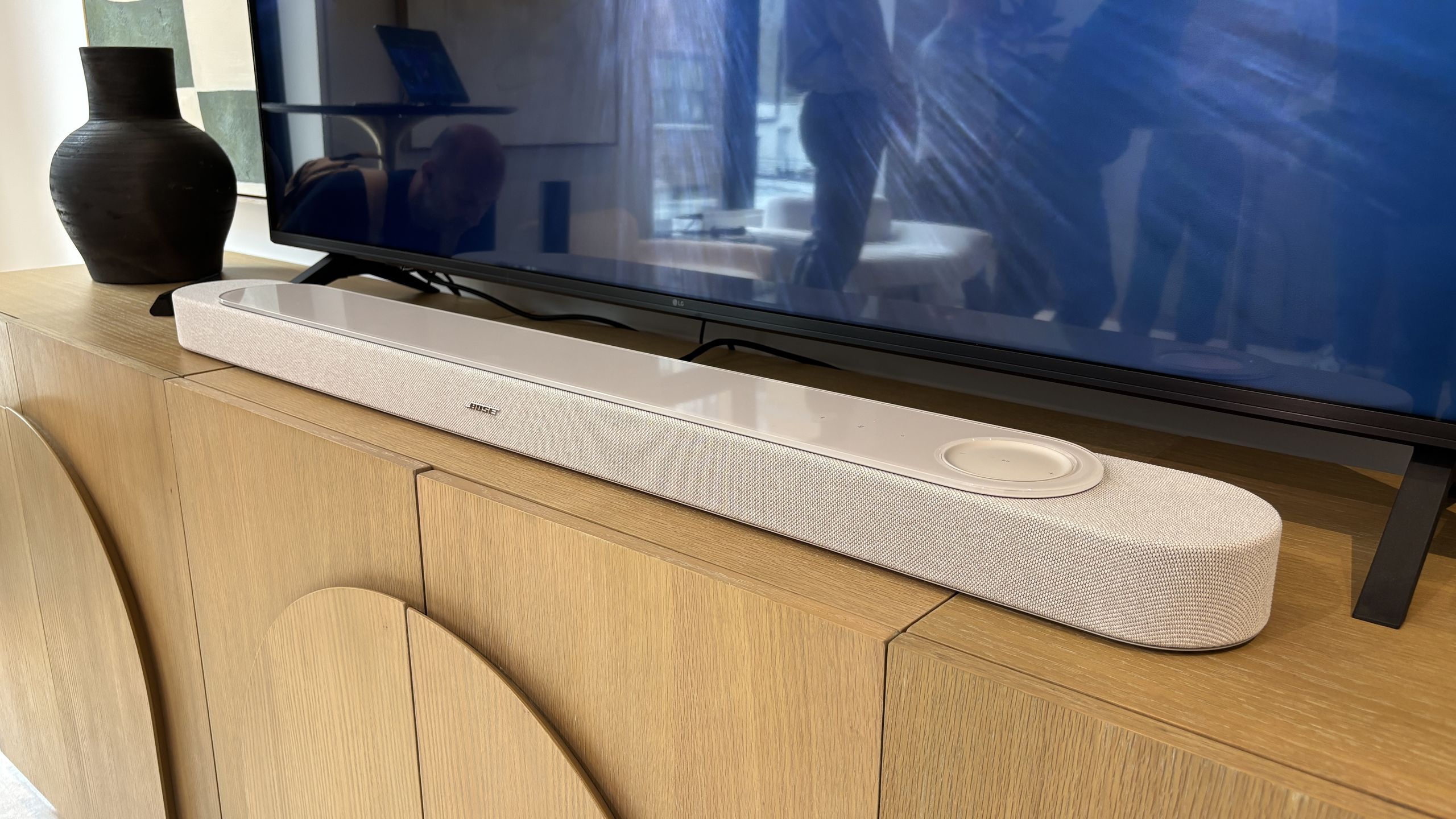
Bose unveiled the Lifestyle Ultra Soundbar at £1000 / €1000 / $1099 / AU$1800, positioning it directly against the Sonos Arc Ultra and Sony Theatre Bar 9. Early hands-on impressions are mixed-to-positive: strong build and design, Atmos support, and promising sound immersion are offset by missing Tidal Connect at launch, no included remote, and no HDMI inputs. The product is still in preview stage, so the article is unlikely to have a meaningful near-term market impact.
This is less a standalone product story than an early read on Bose attempting to re-enter the premium home-theater stack with an ecosystem play, which matters because the battleground is shifting from pure sound quality to install friction and software lock-in. The immediate winner, if Bose executes, is not Bose hardware margins alone but the attach-rate on subs, surrounds, mounts, and app-mediated upgrades; that creates a longer revenue tail and raises switching costs versus one-box competitors. The competitive threat is most acute for Sonos, where Bose’s broader consumer brand and design credibility could pull aspirational buyers who previously defaulted to Sonos on trust rather than objective performance.
The key second-order risk is product completeness at launch. Missing a bundled remote, optional mounting hardware, and absent Tidal Connect create a premium-segment perception gap precisely because buyers at this price point are trading up for convenience, not just acoustics. That opens a window for Sony to keep stealing high-intent shoppers in the near term, especially among users who want more connectivity flexibility and are willing to accept a less elegant industrial design.
The bigger market implication is that any Bose success would pressure margin structures across the category. If Bose proves it can win with a premium industrial design plus app-led calibration, competitors may need to subsidize ecosystems harder—higher promo intensity, more bundle discounts, and more spend on software features rather than hardware differentiation. For now, though, the risk/reward is binary: the product needs to overperform in controlled testing to justify a premium valuation narrative; otherwise, it reinforces the view that the flagship soundbar market is already mature and increasingly zero-sum.
AI-powered research, real-time alerts, and portfolio analytics for institutional investors.
Request DemoOverall Sentiment
neutral
Sentiment Score
0.10
