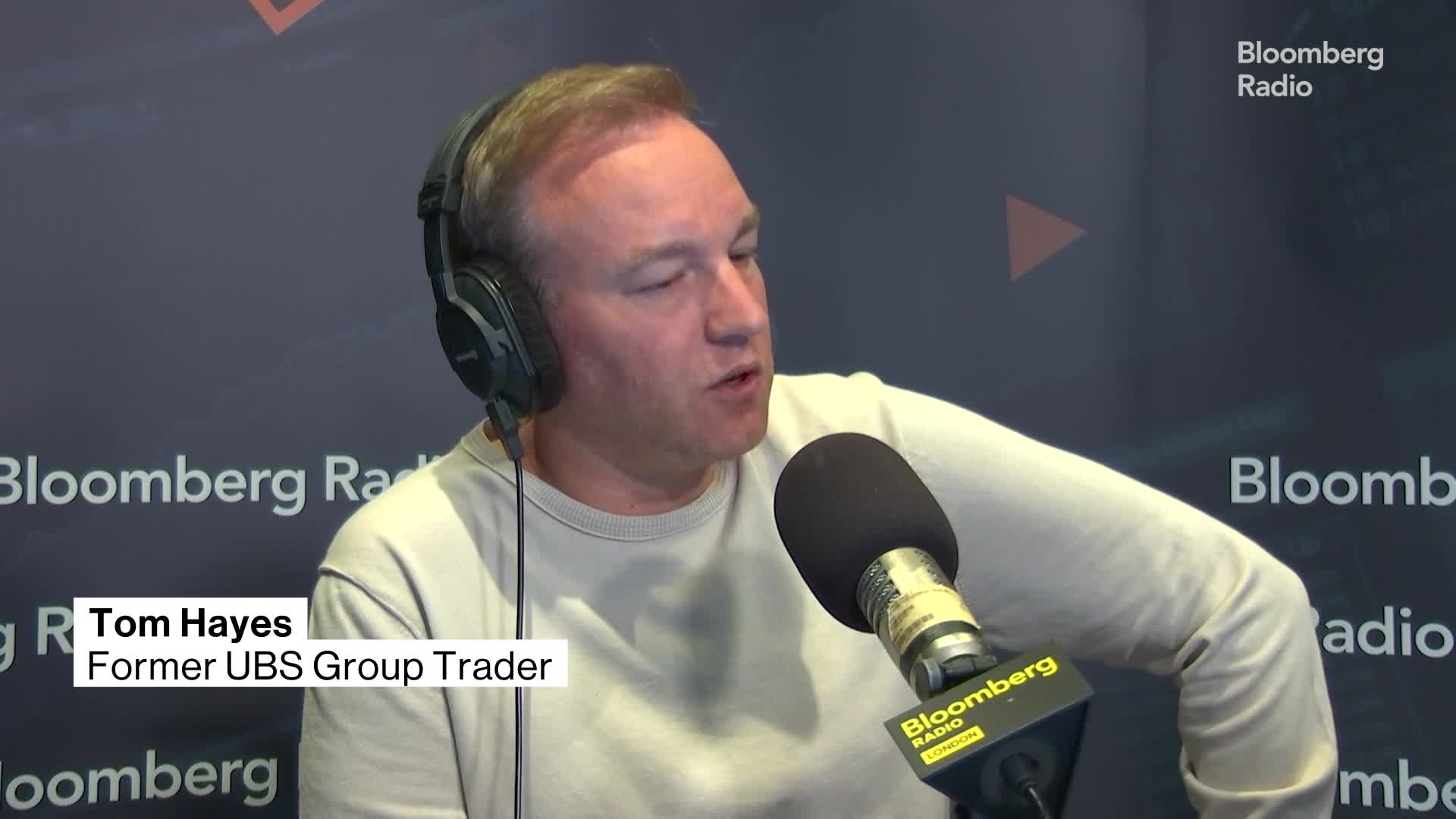
The UK Supreme Court has overturned the convictions of former UBS trader Tom Hayes and ex-Barclays trader Carlo Palombo, previously jailed for Libor and Euribor manipulation, respectively. The Court cited judicial misdirection to juries in both trials as the reason, a significant legal development that could have implications for other financial misconduct cases and prior convictions.
The UK Supreme Court's decision to quash the convictions of former traders Tom Hayes (ex-UBS) and Carlo Palombo (ex-Barclays) represents a significant legal development in the long-running Libor and Euribor manipulation saga. The ruling, based on the finding that juries were misdirected, challenges the legal basis of some of the highest-profile prosecutions for financial misconduct. While the provided signals indicate a neutral sentiment and negligible immediate market impact for UBS and Barclays, this event re-surfaces a period of intense regulatory scrutiny and reputational damage for the banking sector. The core issue is not a verdict on the traders' innocence but a critique of the prosecutorial and judicial process, which could set a precedent for other individuals convicted of benchmark rigging and may complicate future enforcement actions. This development underscores the legal complexities in prosecuting sophisticated financial crimes and could influence the future direction of financial regulation.
AI-powered research, real-time alerts, and portfolio analytics for institutional investors.
Request DemoOverall Sentiment
neutral
Sentiment Score
0.00
Ticker Sentiment
