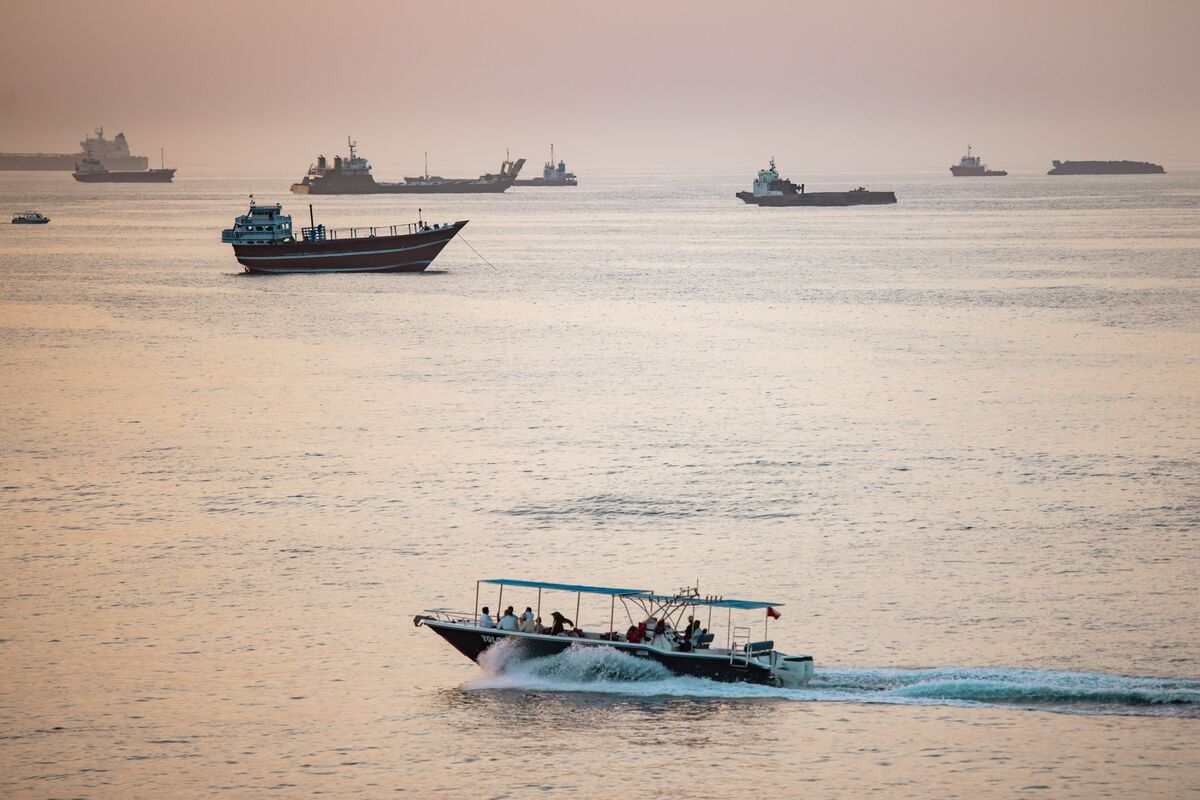
The International Maritime Organization said it will begin evacuating more than 11,000 stranded seafarers in the Middle East after the US and Iran agreed to an interim peace deal. The agency said it has secured the safety guarantees needed to implement the operation, which has been in planning for some time. The update is positive for maritime logistics and crew safety, though the immediate market impact appears limited.
The immediate beneficiary is not a shipping equity basket but the operating reliability of the entire Suez/Middle East logistics chain. Even a partial normalization of crew evacuation reduces the probability of forced vessel idling, which matters because stranded crews create a hidden bottleneck: ships may be technically seaworthy but operationally unavailable, tightening effective fleet supply and supporting charter rates. That is most relevant in tanker and LNG-linked flows, where a small change in vessel utilization can move spot rates disproportionately.
The second-order effect is on insurance and war-risk pricing, which tends to lag headlines by weeks. If safety guarantees hold, war-risk premiums should compress first, then routing behavior follows; the market usually underestimates how quickly freight curves can mean-revert once underwriters regain confidence. The bigger beneficiary may be non-public logistics operators and port agents with Middle East exposure, while the losers are premium-pricing carriers that have been monetizing geopolitical friction.
This is still a fragile peace dividend. The key catalyst is not the evacuation itself but whether it changes insurer behavior and vessel routing over the next 2-6 weeks; if there is any renewed incident, the entire move can reverse fast because the market has already repriced a partial de-escalation. The contrarian view is that investors may be overreacting to a humanitarian/logistical headline that does not fully unwind structural risk premia, especially if commercial shippers wait for multiple clean weeks before changing routing decisions.
For risk/reward, the better expression is short volatility in rates rather than outright directional shipping bets: the setup favors mean reversion if peace holds, but offers sharp upside convexity to renewed disruption. Watch for the first evidence of vessel redeployment and insurance quotes; those are the leading indicators that matter more than the evacuation timetable itself.
AI-powered research, real-time alerts, and portfolio analytics for institutional investors.
Request DemoOverall Sentiment
neutral
Sentiment Score
0.10
