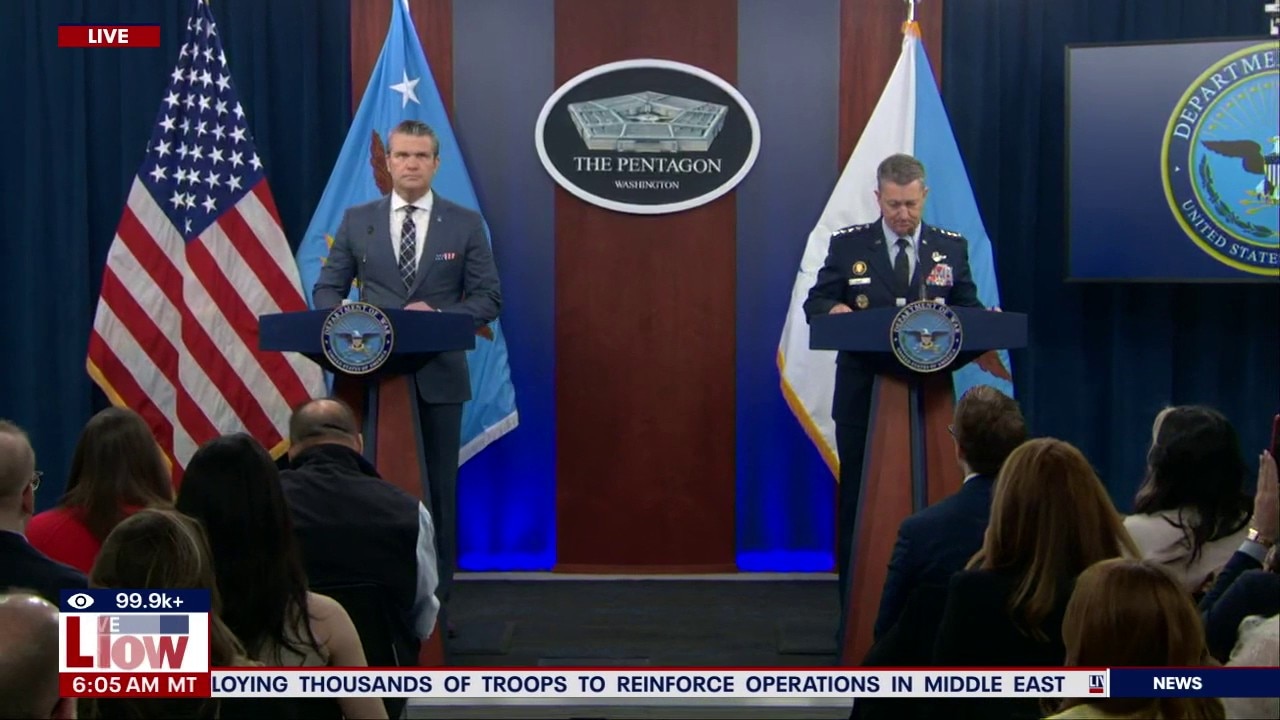
Brent crude surged to as high as $118/barrel — up more than 60% since Feb. 28 — after Iranian strikes on Gulf refineries and LNG facilities, triggering a sharp, energy-driven risk-off move. The Pentagon is reportedly seeking an additional $200 billion for the Iran war while U.S. national debt surpassed $39 trillion, amplifying fiscal strain and potential for sustained market volatility and higher inflation. Expect outsized near-term moves in energy, shipping (Strait of Hormuz exposure) and defense-related assets, with broader equity markets vulnerable to downside from elevated oil prices and geopolitical risk.
The immediate market response is pricing a meaningful, but not permanent, squeeze in oil and LNG logistics; the more durable effect will be on shipping and insurance economics. Rerouting around the Gulf and elevated mine/drone risk increase voyage miles by low-single-digit percentages for many routes, lifting freight and bunker demand while structurally increasing hull/P&I insurance premiums for 6–18 months.
Regional refinery outages and damaged midstream raise product-swap premia (gasoline/jet versus crude) in the near term, advantaging refiners with spare throughput outside the Gulf and disadvantaging exporters that cannot re-route quickly. This propagates into cracks volatility—expect swings that can amplify earnings season beats/misses for downstream names within the next 1–3 quarters.
The fiscal and commodity interplay matters: near-term defense spending tailwinds and an incremental funding request will pressure the US fiscal narrative and could lift term premia if markets price sustained military expenditures. Conversely, a credible, rapid diplomatic de-escalation or coordinated SPR-like release would be the single most likely near-term catalyst to unwind price premia and compress volatility within weeks.
Consensus is treating this as a continued upward oil shock; the gap being underappreciated is demand elasticity over 3–9 months and the speed of substitution (bunker switching, LNG rerouting, fuel economy measures). Monitor transit counts through the Strait, global refinery utilization, and option-implied volatility as real-time indicators for peaking vs persistence of the premium.
AI-powered research, real-time alerts, and portfolio analytics for institutional investors.
Request DemoOverall Sentiment
strongly negative
Sentiment Score
-0.75
